Cpc Certified Bamboo Childrens Clothing Odm Vendor
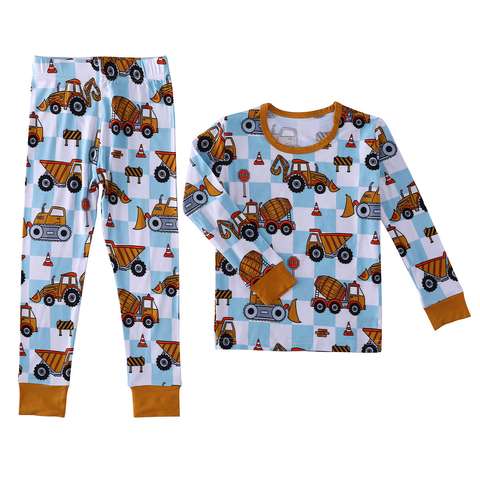
The Innovation Behind Bamboo Children's Clothing
Bamboo fabric has gained prominence as a sustainable and high-performance material in the textile industry. When it comes to children's clothing, the demand for breathable, hypoallergenic, and eco-friendly options has fueled the growing popularity of bamboo textiles. However, creating high-quality bamboo garments for children isn't as straightforward as it seems. It requires an in-depth understanding of key technical aspects such as GSM (grams per square meter), fabric density, and advanced industrial machinery.
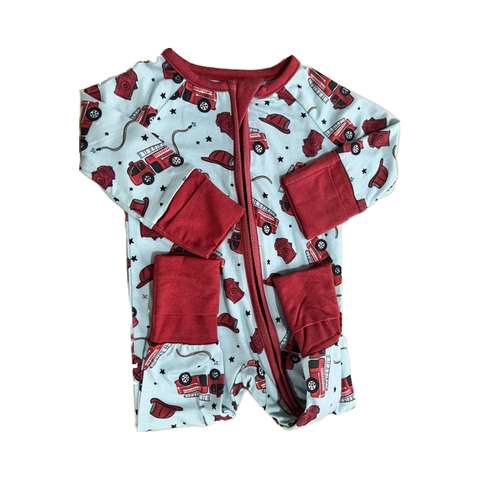
Understanding Bamboo Fabric and Its Appeal
Bamboo fabric is derived from the pulp of bamboo plants—fast-growing, renewable resources that demand minimal water and no pesticides. Once processed into textiles, bamboo exhibits properties that are highly desirable for children's clothing. It is naturally soft, breathable, and thermoregulating, making it ideal for delicate and sensitive skin.
However, bamboo clothing isn’t simply about harvesting bamboo and weaving it into fabric. Variables such as the fabric’s GSM, density, and finishing processes directly affect essential parameters like durability, texture, and functionality. For manufacturers looking to meet the increasing demand for bamboo children’s clothing, understanding and controlling these aspects is critical.
Focusing on GSM: Why Weight Matters in Bamboo Fabric
GSM, or grams per square meter, is one of the most critical specifications in any textile manufacturing process, and bamboo fabric is no different. GSM determines the weight of the fabric and gives insight into its thickness and durability. For children’s clothing, the ideal GSM strikes a balance between durability and comfort.
Lighter GSM (150-180) fabrics are soft and breathable, making them perfect for summer garments like T-shirts, onesies, or sleepwear. On the other hand, mid-weight GSM (200-250) provides added warmth and resilience, suitable for winter pajamas or athleisure wear. The variability in GSM means manufacturers must select machinery and processing techniques tailored to the specific requirements of bamboo fabric.
For instance, lightweight bamboo fabrics require precise control during the weaving stage to maintain strength without compromising the softness. Automated tension-control systems in weaving machinery allow fabric producers to minimize defects and achieve a consistent GSM, ensuring reliable quality across batches.
The Role of Fabric Density in Performance
Beyond GSM, fabric density further defines the performance and feel of bamboo textiles. Fabric density refers to the number of yarns per square inch of the woven or knitted bamboo material. A higher density often translates to greater durability, reduced pilling, and improved resistance to wear and tear. However, for children's clothing, maintaining the right balance is key—too high a density can make the fabric stiff and less comfortable.
Several industrial weaving techniques are employed to achieve controlled fabric density. Air-jet looms, for example, enable high-speed production while maintaining uniform density. For bamboo textiles, these looms ensure an interlocking structure that optimizes both stretch and durability, especially important for high-mobility children's wear.
Knit fabrics, such as jersey or interlock knits, are also popular in bamboo childrenswear due to their flexibility and softness. Unlike woven fabrics, knits are measured by loops per inch rather than yarn density. Advanced circular knitting machines allow precise customization of loop size and tension, providing children’s wear manufacturers with diverse options for fabric texture and weight.
Industrial Machinery: A Key Enabler in Bamboo Fabric Manufacturing
The production of bamboo-based textiles relies on advanced industrial machinery to enable scalable, high-efficiency manufacturing that meets stringent quality expectations. The following processes highlight how modern technology drives innovation in bamboo clothing production.
1. Yarn Production and Spinning
Creating bamboo-derived yarn is a complex, multi-step process. Most bamboo fabrics start with viscose fiber, a semisynthetic material derived by chemically treating bamboo pulp to extract cellulose fibers. Autowinders and ring-spinning machines are pivotal in converting these cellulose fibers into fine, continuous yarns suitable for weaving or knitting. With servo-drive control systems, these machines can precisely regulate tension, resulting in even, consistent yarns.
2. Weaving Technology
Industrial weaving machines such as rapier looms or air-jet looms play a vital role in producing high-quality bamboo fabric. These machines are designed for speed and efficiency, accommodating variations in yarn weight and fabric density. For bamboo children’s clothing, where softness and stretch are critical, weft-insertion and warp alignment are meticulously controlled via programmable logic controllers (PLCs).
, specialized coating and finishing technologies—like ultrasonic bonding—can be integrated during the weaving process to enhance fabric performance without sacrificing tactile softness.
3. Dyeing and Finishing
One of bamboo’s standout qualities is its ability to absorb dyes more effectively than traditional cotton. The dyeing process is carried out using jet-dyeing machines that circulate fabric efficiently through dye baths under controlled pH and temperature conditions. This ensures vibrant, long-lasting colors while preserving the fabric's natural moisture-wicking properties.
Fabric finishing is the final stage that seals the performance attributes of bamboo fabric. Softening agents applied during finishing enhance the already silky feel, while UV-blocking coatings ensure that the clothing provides an additional layer of sun protection—an important selling point for children’s apparel.
4. Quality Control and Automation
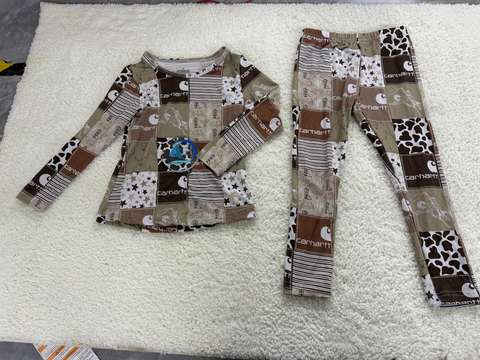
The sensitivity of bamboo fabric to mechanical stress necessitates rigorous quality control throughout the manufacturing process. Automated inspection systems equipped with machine-learning algorithms are now widely adopted for evaluating fabric defects like warp streaks, uneven density, or color inconsistencies. This not only reduces wastage but also ensures a premium product suitable for the high expectations associated with children’s clothing.
The Future of Bamboo Children's Clothing
As industrial manufacturing technologies evolve, the production of bamboo children’s clothing is likely to become even more efficient and environmentally sustainable. For example, the use of closed-loop systems during the production of bamboo viscose fibers has made significant strides in reducing chemical waste. Additionally, digital weaving and knitting technologies enable even greater precision in fabric density and texture control, enabling the creation of innovative, kid-friendly designs.
Another exciting trend lies in blending bamboo fibers with other sustainable materials like organic cotton, Tencel, or recycled polyester. These hybrid fabrics allow manufacturers to tailor GSM and fabric density to meet diverse seasonal and functional requirements, further broadening the market appeal of bamboo-based children’s wear.
| Fabric Type | Pima Cotton |
| Compliance | ASTM F963 |
| Customization | ODM |
| Lead Time | 27 Days |
Bamboo children's clothing represents the convergence of sustainable material science and advanced industrial manufacturing. By carefully managing parameters such as GSM and fabric density while leveraging state-of-the-art machinery, manufacturers can create a product that meets the rigorous demands of both customers and the environment. As the popularity of eco-friendly textiles continues to grow, bamboo fabric is poised to play a central role in shaping the future of children’s apparel.
For businesses seeking to enter this growing market, investing in advanced manufacturing capabilities and building partnerships with sustainable fiber suppliers will be key. By doing so, they can capitalize on the dual trends of sustainability and functionality to meet the evolving needs of consumers.