Oem Bamboo Pajamas Kids White Label Oekotex 100 Supplier
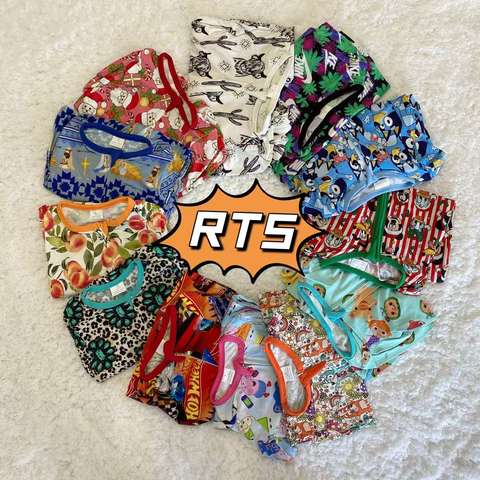
Bamboo Pajamas for Kids: A Sustainable White Label Opportunity
The kids' apparel market continues to thrive, with growing consumer demand for sustainable, soft, and durable clothing. Bamboo fabric has emerged as a popular material for children’s pajamas, thanks to its eco-friendly properties and exceptional comfort. For businesses interested in white label production, understanding the technical aspects—such as GSM (grams per square meter), fabric density, and industrial machinery—can significantly influence product quality and operational efficiency.
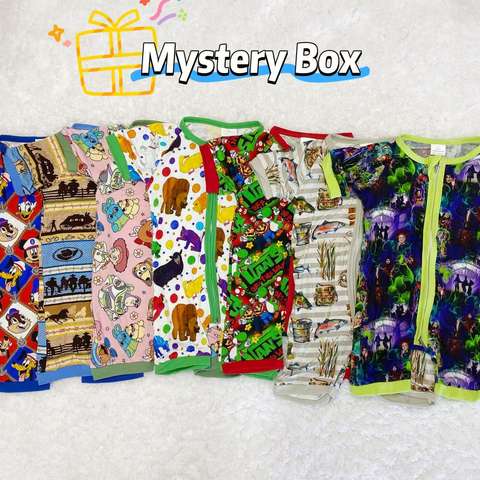
Why Bamboo Fabric is Ideal for Kids’ Pajamas
Bamboo fabric checks all the boxes for children’s clothing: soft texture, hypoallergenic properties, moisture-wicking capability, and environmental sustainability. Since children have sensitive skin, bamboo’s natural fibers minimize irritation, making it a superior choice to synthetic materials. Additionally, bamboo is biodegradable, aligning with the industry’s shift toward eco-conscious practices.
Understanding GSM and Fabric Density
A critical technical parameter in fabric production is GSM (grams per square meter), which determines the weight and thickness of the material. For bamboo pajamas, the GSM should strike a balance between durability and softness to ensure comfort for kids while meeting commercial performance needs.
The average GSM for children’s sleepwear typically falls between 150 to 200 GSM, depending on seasonal requirements. For summer pajamas, a lower GSM (150-160) ensures breathability, while winter offerings often utilize higher GSMs (180-200) for added warmth. Fabric density, closely linked to GSM, also contributes to the garment’s texture and stretchability, which are essential for active children.
Fabric testing: Companies in white label production must ensure consistent GSM measurements across large quantities. Leveraging advanced lab equipment, such as GSM testers and thickness gauges, facilitates quality assurance during bulk manufacturing.
Industrial Machinery for Bamboo Fabric Production
Turning raw bamboo fibers into fabric suitable for kids’ pajamas requires cutting-edge machinery tailored for precision and efficiency. The production process generally involves several stages: bamboo fiber extraction, yarn spinning, weaving/knitting, and finishing treatments.
Fiber extraction and spinning: Bamboo fibers are extracted either through mechanical or chemical processes. Mechanical processes use machinery, such as decorticators, to strip the bamboo stalk, whereas chemical processes rely on solvents to break down the fibers into pulp. Both methods have their advantages: mechanical processes are more eco-friendly, while chemical processes offer greater scalability.
Once bamboo fibers are processed into viscose or rayon, spinning machinery converts them into yarn. High-speed spinning units ensure consistent thread quality by maintaining uniform tension and minimizing irregular fibers. For children’s sleepwear, fine-count yarn (40s or 50s count) is preferable for softness, while balanced twist levels enhance fabric longevity.
Knitting and weaving: Fabric density is influenced by how the yarns are intertwined, either through knitting or weaving. Industrial circular knitting machines are commonly employed for bamboo pajamas as they produce stretchable, soft, and lightweight fabrics ideal for kids. Jacquard and double jersey machinery provide advanced configurations for varied fabric designs and layers.
Meanwhile, woven bamboo fabrics—though less common for kids’ pajamas—offer increased durability. Shuttleless weaving machines, such as rapier or air-jet looms, enable high-speed fabric production for woven styles.
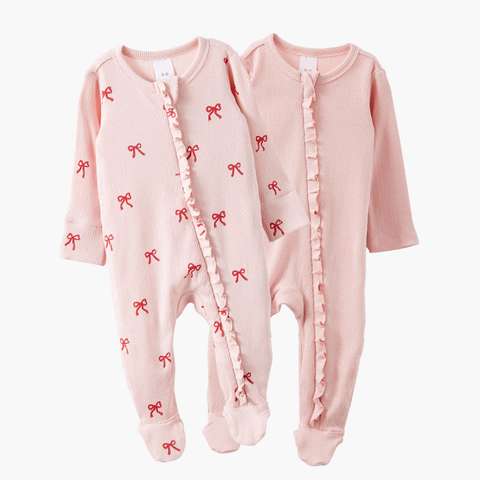
Finishing treatments: Industrial finishing equipment, like stenters and compactors, enhances the final bamboo fabric. These machines ensure proper width adjustment, prevent shrinkage, and add softness—all features critical for children's pajamas. Additionally, anti-pilling treatments executed by calendaring or sueding machines increase the pajamas’ durability, reducing wear and tear during active use and regular washing.
The Role of White Label Manufacturing in Bamboo Kids’ Pajamas
White label manufacturing enables businesses to outsource production while branding the final product under their own label. This model is particularly advantageous for bamboo pajamas, allowing companies to focus on sales and marketing while leaving technical complexities to specialized manufacturers.
Benefits of white label production:
| Fabric Type | Organic Bamboo |
| Compliance | CPSIA Compliant |
| Customization | OEM |
| Lead Time | 28 Days |
- Reduced investment in machinery and equipment.
- Access to experts who can optimize GSM, fabric density, and design patterns.
- Flexibility in scaling production based on market demand.
- Enhanced product customization without needing in-house technical expertise.
For businesses aiming to enter the kids' apparel sector, partnering with manufacturers equipped with state-of-the-art machinery ensures adherence to technical standards. This partnership minimizes risks associated with inconsistent quality or production delays.
Quality Assurance Practices in Bamboo Pajama Production
White label manufacturers typically implement stringent quality assurance protocols to maintain high production standards. Automation plays a crucial role, with integrated machinery equipped with sensors and IoT modules to monitor GSM and fabric density in real-time during production runs.
Pre-production quality checks: Raw bamboo fiber undergoes inspection to ensure cleanliness and uniformity. Yarn spinning machinery is calibrated to eliminate material inconsistencies.
In-production monitoring: Modern knitting and weaving systems are integrated with computer-controlled panels, allowing manufacturers to automate pattern creation and density settings. These features reduce human error while enhancing precision.
Post-production assessments: Fabric rolls are examined under industrial lighting for defects such as uneven dyeing or inconsistent textures. Ensuring colorfastness and shrinkage resistance are key to producing commercially viable bamboo pajamas.
Bamboo pajamas for kids represent a lucrative and sustainable opportunity for businesses looking to capitalize on the white label manufacturing model. By focusing on technical parameters like GSM, fabric density, and leveraging advanced industrial machinery, manufacturers can ensure high-quality production that meets both consumer expectations and operational efficiency.
For companies new to this venture, selecting the right manufacturing partner equipped with cutting-edge technology and an in-depth understanding of bamboo fabric production is crucial. With the right collaboration, businesses can offer premium products that combine practicality, comfort, and environmental responsibility—essential qualities in today’s competitive kids' apparel market.