Cpc Certified Bamboo Pajama Set Cpsia Compliant Exporter

The Role of GSM and Fabric Density in Bamboo Pajama Set Manufacturing
Bamboo pajama sets have surged in popularity due to their sustainable properties and unmatched comfort. For businesses operating in the textile industry, understanding the technical aspects, like GSM (grams per square meter), fabric density, and the machinery involved in production is critical to delivering high-quality products while optimizing manufacturing processes.
What Is GSM, and Why Does It Matter?
GSM, or grams per square meter, is a key metric in the textile industry that reflects the weight and thickness of fabric. Bamboo fabric typically ranges between 150 and 400 GSM depending on its application. In the case of bamboo pajama sets, intermediate GSM values of 180-280 are commonly used. This range offers a perfect balance between durability, lightweight properties, and comfort.
Choice of GSM directly impacts the feel and breathability of the pajamas. Lower GSM (150-180 GSM) results in lighter fabrics suitable for warmer climates, whereas higher GSM (280-320 GSM) is preferred for cooler environments because of its thicker texture. Manufacturers typically conduct rigorous testing to ensure fabrics at these GSM levels meet performance standards without compromising wearability.
Fabric Density and Its Relationship to Comfort
Fabric density, defined by the number of threads or fibers per square inch, works in tandem with GSM. For bamboo pajama sets, maintaining an optimal fabric density is crucial for ensuring softness, durability, and stretchability. Higher thread counts generally produce denser fabrics, which might feel smoother on the skin.
Bamboo fibers are naturally smooth and round, which contributes to their comfortable finish even with lower fabric density. Combining bamboo with other materials, such as spandex or organic cotton, can further enhance the flexibility of pajama sets, accommodating a range of movements without compromising structural integrity.
Industrial Machinery and Techniques Used in Bamboo Fabric Production
Producing bamboo pajama sets requires specialized machinery to handle the unique properties of bamboo fibers. Bamboo viscose production involves several stages, including extraction, spinning, weaving, and finishing. These processes rely on advanced industrial machinery to align technical precision with economic efficiency.
Fiber Extraction Machinery
Bamboo stalks undergo an extraction process in which cellulose is separated from the lignin and other organic matter. Industrial machinery such as hydraulic pulping units and enzymatic processing systems are employed in this stage. Enzymatic processing is particularly valued for its eco-friendliness and ability to produce high-quality viscose fibers without releasing harsh chemicals into the environment.
The fiber extraction process requires careful calibration to produce fibers of uniform length and width. Variability at this stage can lead to inconsistencies in GSM and fabric density during subsequent manufacturing stages.
Spinning and Yarn Formation
Once bamboo fibers are extracted, they are spun into yarn using ring-spinning or rotor-spinning machines. Ring-spinning machinery allows for precision spinning, achieving uniform thread thickness across batches. Rotor-spinning, on the other hand, is faster and more efficient for large-scale pajama production.
Spinning also dictates the elasticity and strength of the bamboo yarn. Manufacturers often integrate spandex yarn during the spinning process to enhance stretchability for pajamas without compromising the natural softness of bamboo fibers.
Weaving and Knitting Techniques
Weaving is a critical step in bamboo pajama production, where industrial looms such as air-jet, rapier, or water-jet machines are used to create fabric types like plain weave or twill. However, for pajama applications, knitting is often preferred over weaving to produce fabrics that are softer and feature inherent stretch.
Circular knitting machines, capable of producing seamless fabrics, are widely used in pajama production. The knitting equipment must be configured appropriately to create fabrics with consistent GSM and thread density. Modern machines feature real-time monitoring systems to ensure constant quality.
Fabric Finishing Machinery
Fabric finishing is essential to enhance the softness, color-fastness, and anti-pilling properties of bamboo pajama sets. This process includes pre-treatment, dyeing, and optional chemical treatments. Dyeing equipment like jet-dyeing machines is particularly efficient for bamboo fabrics due to their smooth and absorbent nature.
Some manufacturers may use anti-bacterial finishes, ensuring pajamas are resistant to odor-causing bacteria—an added selling point for consumers. Advanced calendaring machines are also utilized to impart a lustrous finish to the fabric, which elevates both its aesthetic appeal and market value.
Sustainability Considerations in Bamboo Pajama Production
Sustainability is a critical consideration for B2B partners and manufacturers. Bamboo is already lauded for its eco-friendly properties, as it requires less water and no pesticides to grow. However, machinery and production practices further impact the carbon footprint of the final product.
Energy-Efficient Machinery
Modern textile manufacturers are gravitating toward energy-efficient machinery to minimize environmental impact and reduce operational costs. For instance, rotary knitter motors with regenerative systems can help lower electricity consumption during pajama production. Similarly, enzymatic degumming technologies leverage natural enzymes, eliminating the need for harsh chemicals during fiber extraction.
Wastewater Management in Dyeing
Bamboo pajama sets often undergo dyeing as part of the finishing process. To counter the environmental concerns surrounding wastewater generated during this stage, manufacturers are increasingly adopting closed-loop water recycling systems. These systems filter and reuse dyeing water rather than disposing of it, reducing freshwater consumption significantly.
Quality Control and Testing for Bamboo Pajama Sets
Quality control measures ensure the final pajama sets meet the standards expected by retailers and wholesalers. Irregularities in GSM, thread count, or finishing can result in inconsistent products, impacting consumer perception and brand reputation. Testing machinery tailored for bamboo fabrics is essential to monitor and validate these parameters.
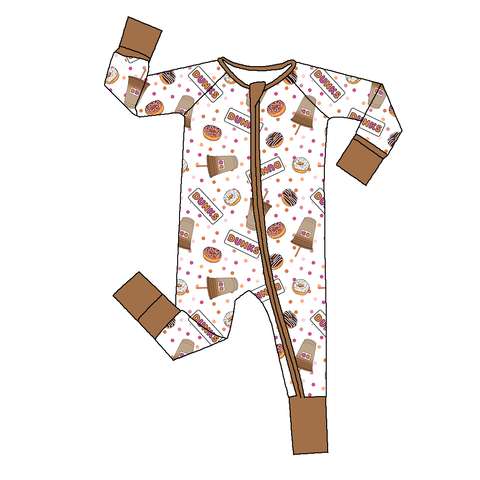
| Fabric Type | Pima Cotton |
| Compliance | CPSIA Compliant |
| Customization | OEM |
| Lead Time | 21 Days |
GSM Testing Equipment
Accurate GSM testing helps verify fabric weight and thickness consistency across production batches. GSM cutters and scales offer precise measurements, allowing manufacturers to confirm that pajama sets align with specifications, ensuring both durability and comfort.
Tensile Strength Testing
Tensile strength testing evaluates the durability of bamboo fabric under tension. This testing is vital for pajamas, as it ensures that the seams and fabric can withstand everyday wear and movement without tearing. Tensile strength testing machines assess both the elongation capacity and breaking strength of bamboo fabrics.
Color-Fastness Assessment
For dyed bamboo pajamas, color-fastness testing machinery measures resistance to fading under washing, rubbing, and exposure to sunlight. Advanced testing systems simulate real-world conditions, providing manufacturers with assurance that their products will maintain color stability over time.
From GSM and fabric density to industrial machinery and sustainability practices, manufacturing bamboo pajama sets requires careful integration of technical precision and environmental consciousness. B2B enterprises operating in the textile machinery and materials markets should prioritize investments in advanced equipment and quality control processes while exploring sustainable solutions.
Bamboo pajama sets represent a growing sector within the textile industry, offering comfort, sustainability, and innovation. By understanding the intricate production processes and leveraging the latest technologies, businesses can position themselves as leaders in delivering premium bamboo pajama products to a discerning market.