Bespoke Bamboo Baby Zipper Footie Romper Astm F963 Factory

Bamboo Baby Zipper Footie Rompers: The Intersection of Textile Engineering and Superior Comfort
In the world of infant apparel, functionality, comfort, and sustainability are critical. The bamboo baby zipper footie romper exemplifies cutting-edge advancements in textile engineering, with its thoughtful design, durable construction, and organic material selection. This innovative product is made with a scientific understanding of GSM, fabric density, and precision industrial machinery, ensuring the highest quality standards for babywear.

Understanding GSM and Its Role in Fabric Selection
GSM, or grams per square meter, is a critical unit of measurement in the fabric industry. It quantifies the weight of fabric over a square meter and provides insight into the material’s density, durability, and comfort levels. For bamboo baby zipper footie rompers, optimal GSM ensures a perfect balance between softness, breathability, and thermal efficiency—essential for infant clothing.
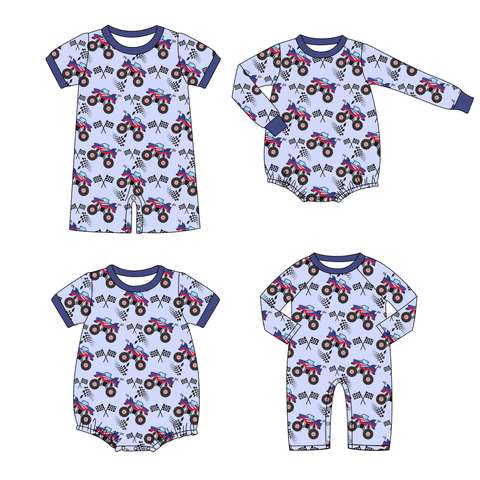
For instance, a GSM ranging between 180 and 220 is ideal for bamboo-based baby clothing. This range provides lightweight properties while ensuring warmth and durability. Higher GSM indicates a denser, heavier fabric, which may be less breathable, while lower GSM may compromise fabric longevity. Engineers and designers working on bamboo baby rompers prioritize this range to create quality apparel that can withstand frequent use while being gentle on a baby’s sensitive skin.
Fabric Density and Textile Properties in Bamboo Babywear
Fabric density is another pivotal factor in creating premium baby rompers, influencing not only durability but also the tactile experience. Bamboo viscose, commonly used in these products, provides an ultra-soft texture due to its fine fibers. While GSM measures weight, fabric density examines how closely these fibers are knit together, which determines the romper’s performance.
For a zipper footie romper, maintaining medium to high fabric density helps ensure the following characteristics:
- Durability: High-density knitting patterns provide the romper with superior wear resistance, a critical property given the frequent laundering of baby clothing.
- Softness: Dense knitting enhances the surface smoothness, offering a chafe-free experience for an infant’s delicate skin.
- Thermal Regulation: Bamboo’s natural benefits—its ability to regulate temperature and wick moisture—are amplified by precise density control, ensuring comfort across varying climates.
Engineers employ advanced machinery and fine-tune the knitting density to meet these standards while maintaining the premium look and feel expected from bamboo-based textiles.
Advanced Industrial Machinery in Baby Romper Production
The creation of bamboo baby zipper footie rompers relies heavily on state-of-the-art industrial machinery. Advanced knitting, cutting, and assembly machines ensure precision and efficiency while maintaining sustainability and ethical manufacturing processes. Let’s break down the critical machinery used in the production process:
1. Circular Knitting Machines
The journey begins with circular knitting machines where bamboo fibers are transformed into fabric rolls. These machines are designed for high-speed production and deliver a consistent fabric texture. For baby rompers, machines are adjusted for tighter knit patterns, enhancing durability without compromising softness.
2. Automated Cutting Machines
Once the fabric is knit, automated cutting machines come into play. They ensure that each romper’s pattern is cut with impeccable precision, reducing raw material waste. These machines leverage CAD (computer-aided design) software to produce consistent templates, ensuring each piece aligns perfectly during assembly.
3. Stitching and Assembly Lines
The stitching stage involves both human expertise and semi-automated machinery to sew components together. Flatlock stitching machines are often employed to create seamless joints, further enhancing comfort by preventing abrasive seams. Engineers also maximize efficiency by integrating zipper application modules into this stage, resulting in robust closures that operate smoothly.
4. Quality Control Systems
As the rompers reach the final stages, automated quality control systems are engaged. Optical sensors and lightweight scanners assess stitching alignment, zipper functionality, and material strength to ensure each product exceeds consumer expectations. These systems drastically reduce human error and accelerate production timelines.
Sustainability and Bamboo Fabric Innovations
Sustainability is an integral component of bamboo baby zipper footie rompers, and it begins right from the cultivation of the raw material. Bamboo, being a renewable resource, has a smaller ecological footprint compared to cotton. It grows rapidly and does not require pesticides or excessive water usage, making it an ideal material for environmentally-conscious textile production.
Further innovations in bamboo textile processing include the use of closed-loop systems to minimize wastewater during the fiber extraction phase. These systems ensure eco-friendly production while preserving bamboo’s natural properties, such as:
- Hypoallergenic qualities for sensitive baby skin.
- Anti-microbial functionality due to bamboo’s natural bio-agents.
- Enhanced breathability for moisture-wicking benefits.
Every step, from material sourcing to final production, employs responsible engineering solutions to offer a safer, greener choice for parents and their infants.
Why GSM, Fabric Density, and Machinery Matter for B2B Buyers
For businesses in the babywear industry, understanding the relevance of GSM, fabric density, and machinery is essential in evaluating product quality and supplier capability. High GSM and optimized fabric density ensure end-consumer satisfaction by meeting both functional and aesthetic demands. , B2B buyers should prioritize suppliers employing advanced industrial machinery to ensure scalability and consistent manufacturing quality.
Investing in products like bamboo baby zipper footie rompers highlights a commitment to innovation, sustainability, and quality—principles that resonate strongly with modern consumers. B2B stakeholders can leverage these factors to strengthen their product lines and align with market trends favoring eco-friendly and high-performance babywear.
The bamboo baby zipper footie romper is a technical marvel that bridges the gap between sophisticated engineering and thoughtful design. By combining optimal GSM, precise fabric density, and advanced machinery, manufacturers deliver a product tailored to the unique needs of infants and parents alike. For businesses, investing in such innovative and sustainable babywear is a strategic step toward market growth and consumer trust.
This intersection of textile technology and sustainability underscores the importance of technical excellence in modern industrial manufacturing—elevating this simple baby clothing item to a benchmark of engineering brilliance.
| Fabric Type | Pima Cotton |
| Compliance | GOTS Organic |
| Customization | Tailor-made |
| Lead Time | 17 Days |