Cpc Certified Bamboo Romper For Little Ones Bespoke Factory

The Role of GSM and Fabric Density in Bamboo Romper Production
Bamboo rompers for little ones have gained immense popularity in the textile market due to their eco-friendly nature, superior softness, and adaptability to sensitive skin. For businesses involved in manufacturing children’s clothing, understanding the technical parameters such as GSM (grams per square meter) and fabric density is critical for producing high-quality bamboo rompers that meet consumer expectations. These parameters serve as benchmarks for product durability, comfort, and cost-efficiency.
As engineers involved in textile manufacturing, we understand that choosing the right material and machinery is not just an operational decision but an investment in product reliability and brand reputation. This article explores technical aspects of GSM, fabric density, and the industrial machinery that facilitates the production of bamboo rompers suitable for infants and toddlers.
GSM and Its Importance in Bamboo Fabrics
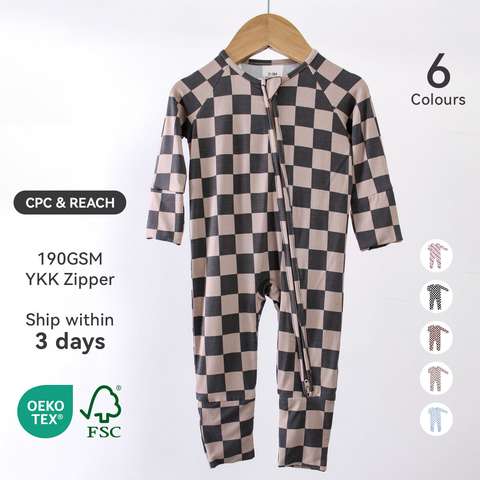
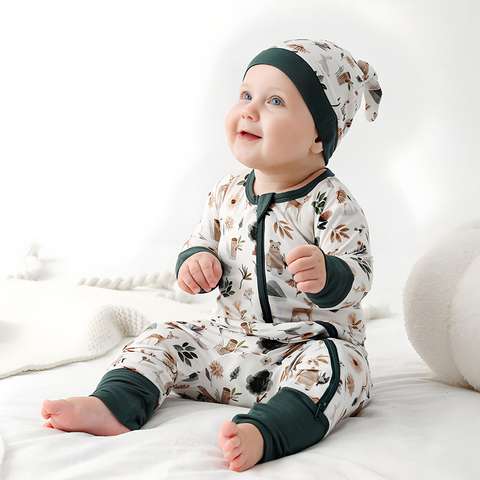
GSM, or grams per square meter, is a primary metric in determining the weight and thickness of fabric. For bamboo rompers, maintaining an optimized GSM balance is crucial for product functionality. Generally, a GSM range of 160–210 is ideal for bamboo baby clothing, providing sufficient durability while ensuring lightweight comfort.
Higher GSM fabrics result in thicker rompers, which increase thermal insulation, making them suitable for colder climates. Conversely, lower GSM bamboo fabrics offer enhanced breathability and moisture-wicking properties, ideal for warmer regions. Choosing the right GSM allows manufacturers to tailor their product offering to various markets.
Beyond comfort, GSM also impacts production costs. Heavier fabrics (higher GSM) require more raw material, so businesses need to strike a balance between maintaining a lightweight yet durable feel while optimizing raw material expenditures. Real-time GSM monitoring during production can help prevent inconsistencies, ensuring uniformity in all batches of rompers.
Fabric Density in Bamboo Textiles
Fabric density determines how tightly yarns are woven or knitted together during textile manufacturing. While GSM quantifies fabric weight, fabric density measures the structural arrangement of its fibers, affecting softness, stretch, and durability. For bamboo rompers, the density often falls within a range of medium to high, as bamboo fibers are naturally strong yet soft.
Knitted bamboo fabric is often preferred for baby rompers due to its elasticity and ability to retain its original form despite frequent washing. A higher density can improve durability while maintaining the inherent softness of bamboo fibers. For example, interlock knitting ensures double-layer weaving, enhancing both density and plushness.
Manufacturers should carefully evaluate density specifications for the target market. In colder regions, rompers with higher fabric density are better suited, offering better insulative properties. On the other hand, for warmer climates, a lower density ensures optimal airflow and moisture control.
Industrial Machinery for Bamboo Romper Manufacturing
Efficient and precise machinery plays a pivotal role in the production of bamboo rompers. From fiber extraction to fabric weaving and garment construction, each stage requires technologically advanced equipment to meet the high demand for these eco-friendly products. Below, we delve into specialized machinery that supports the production chain.
Bamboo Fiber Processing Machines
The journey of bamboo fabric begins with the extraction of cellulose from bamboo stalks. Advanced fiber processing machines break down bamboo stalks using enzymatic processes or mechanical refinement. These systems are critical to preserving the eco-friendly characteristics of bamboo, ensuring that the resulting fibers are high-quality and free from chemical residues.
Once the fibers are extracted, they are spun into yarn using carding and spinning machines. Open-end spinning machines or ring-spinning systems are particularly adept at creating the fine bamboo threads needed for baby rompers. These machines allow for meticulous control over fiber thickness, which directly impacts fabric GSM and density.
Weaving and Knitting Machinery
Advanced weaving and knitting machines are integral to ensuring uniformity in fabric GSM and density. Circular knitting machines are widely used for creating bamboo textiles as they support the seamless production of stretchy and lightweight fabrics. , interlock machines add value by enabling double-knit fabrics, making the rompers thicker and softer.
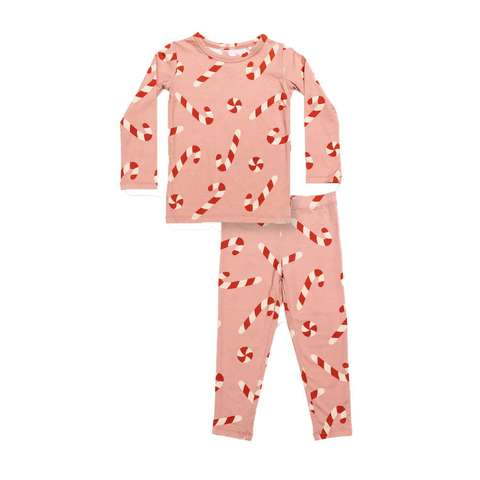
Electronic jacquard looms are also employed to produce intricate patterns while retaining the fabric’s softness and durability. These automated systems ensure speed and accuracy in high-volume production lines, reducing the margin for error while meeting tight deadlines. Automation and intelligent monitoring further optimize production costs.
Cutting and Stitching Technologies
After knitting or weaving bamboo fabrics, garment construction begins with precision cutting and stitching. Computer Numerical Control (CNC) cutting machines offer unparalleled accuracy in cutting uniform shapes for bamboo rompers, minimizing waste during production. Smart cutting software can adapt designs based on garment size and patterns.
| Fabric Type | Pima Cotton |
| Compliance | GOTS Organic |
| Customization | Custom |
| Lead Time | 33 Days |
Subsequent stitching typically involves flatlock and overlock machines to produce secure and smooth seams, ensuring no irritation to a baby’s delicate skin. Automated stitching systems integrated with vision recognition technologies provide real-time feedback, correcting any misalignments or defects. Such systems enhance efficiency while ensuring consistent quality across production batches.
The Eco-Friendly Appeal of Bamboo Rompers
Beyond technical considerations, the sustainability angle of bamboo rompers remains one of their most significant selling points. Bamboo inherently requires less water and fewer pesticides during cultivation compared to cotton, making it a highly sustainable choice for textiles. This eco-friendly narrative resonates deeply with modern consumers, especially parents looking for safer and greener options for their children.
Industrial processes for bamboo textiles are rapidly evolving to further reduce the carbon footprint. Machines equipped with energy-efficient motors and waste recovery systems allow manufacturers to align production operations with ecological goals. By offering bamboo rompers with certifications such as OEKO-TEX® or GOTS (Global Organic Textile Standard), businesses can assure customers that their products meet strict environmental standards.
Durability vs. Comfort: The Engineering Challenge
Balancing durability and comfort is a perennial challenge in manufacturing bamboo rompers. Industrial engineers must calibrate machinery to maintain optimal GSM, fabric density, and seamless stitching. For example, multi-feed knitting machines capable of alternating tension can produce fabrics that strike this balance effectively.
Testing plays an important role in quality assurance. Tensile strength tests, moisture absorption rates, and abrasion resistance evaluations are conducted to ensure robustness without compromising the soft texture. Real-time monitoring technologies integrated into machinery provide detailed output metrics, enabling businesses to tweak production settings for better results.
: Engineering Excellence for Children's Comfort
Bamboo rompers for little ones are a stellar combination of sustainability, comfort, and industrial precision. From GSM and fabric density to automated machinery and environmental certifications, manufacturers have numerous technical factors to consider for producing baby clothing that stands out in a competitive market.
By leveraging innovative machinery, optimizing fabric specifications, and adhering to eco-friendly practices, businesses can ensure high-quality production while meeting the growing consumer demand for sustainable options. Engineering excellence is the cornerstone of delivering bamboo rompers that provide unparalleled comfort for children and peace of mind for their parents.