Odm Custom Baby Pajamas Cpc Certified Supplier
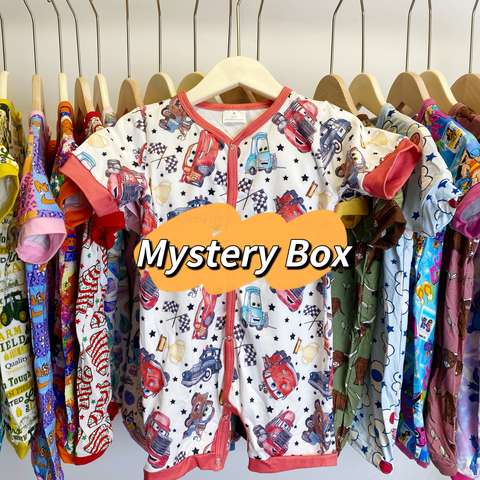
Understanding the Core Requirements for Custom Baby Pajamas
Creating custom baby pajamas involves precision engineering that bridges textile science and manufacturing technology. From selecting the appropriate fabric densities to leveraging industrial machinery, every detail ensures that the pajamas meet comfort, safety, and customization requirements for end consumers. When entering the B2B market, these considerations are even more critical, as businesses look to offer exceptional products while staying cost-competitive. This article will explore the intricacies of designing, manufacturing, and optimizing custom baby pajamas with a focus on GSM (grams per square meter), fabric density, and industrial machinery.
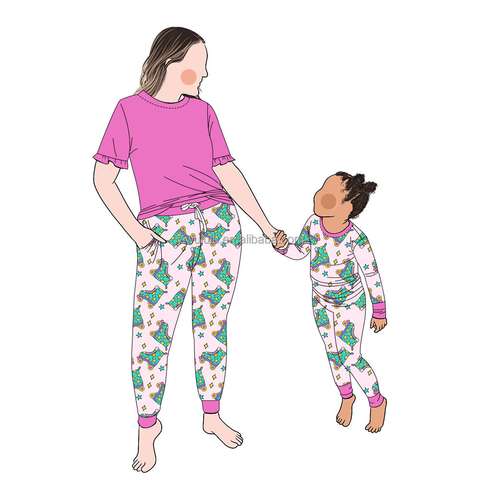
The Role of GSM in Selecting Fabric for Baby Pajamas
When discussing fabric selection, "GSM" is a crucial metric that defines the weight and density of the material. GSM contributes significantly to the comfort, warmth, durability, and feel of baby pajamas. Typically, babywear requires soft, breathable fabrics, which often fall into a mid-GSM range to ensure optimal comfort for infants.
For baby pajamas, ideal GSM ranges between 140 and 180, depending on the season and design specifications. Lightweight fabrics (around 120 to 140 GSM) are perfect for summer wear, offering breathability and comfort. Heavier fabrics, approximately 180 GSM, are preferred for winter pajamas, as they provide insulation and warmth. Understanding these variations allows manufacturers to cater to different consumer needs effectively.
Additionally, the choice of fiber—whether cotton, bamboo, or a cotton-blend—impacts the GSM calculation. Bamboo, for example, offers enhanced moisture-wicking and hypoallergenic properties, which are often critical in babywear. On the other hand, organic cotton, though slightly heavier, provides durability and sustainability, making it a favorite for eco-conscious businesses.
Fabric Density and Comfort in Baby Pajamas
Fabric density goes hand in hand with GSM but focuses specifically on the compactness and weave structure. For baby pajamas, a high thread count with a tight weave ensures a smoother texture, reducing irritation to a baby’s sensitive skin. Additionally, tightly woven fabrics are more durable, a feature especially important in babywear prone to frequent washing cycles.
Star materials for baby pajamas include interlock cotton, jersey knit, and rib knit fabrics. Interlock cotton, characterized by its dense and double-knit structure, is perfect for cold weather, providing both warmth and elasticity. Jersey knit offers a more lightweight option and is ideal for warmer climates due to its breathability and stretchability. Rib knit stands out for its unique vertical pattern, offering comfort and slight elasticity that adapts to the baby's movements.
Testing fabric density and checking the weave during procurement are crucial steps for manufacturers. Many companies rely on industrial-grade fabric testers to assess yarn count, thread tightness, and shrinkage resistance, ensuring consistent quality across production batches.
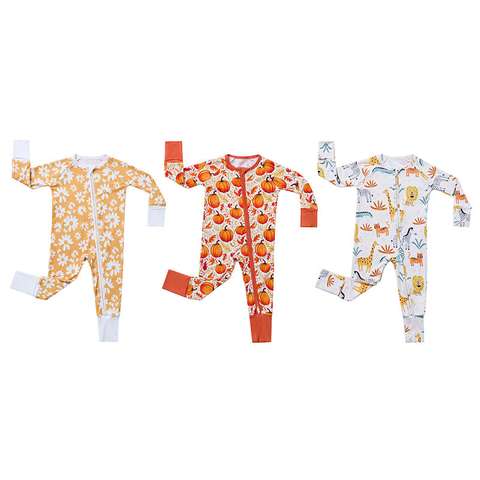
Leveraging Industrial Machinery for Precision Manufacturing
The manufacturing of custom baby pajamas demands the involvement of high-precision industrial machinery designed for scalability, efficiency, and quality control. Advanced cutting and sewing machines, fabric inspection machines, and printing technologies all come into play in transforming raw materials into finished products.
For instance, fabric cutting machines with laser-guided mechanisms ensure precise pattern cutting without frayed edges, which helps maintain the structural integrity of baby pajamas. Advanced sewing machines with programmable stitching patterns can execute flatlock, zigzag, or cover stitches commonly used in babywear. These flat and durable stitches minimize irritation on baby's sensitive skin.
Additionally, digital textile printers help incorporate customized designs, logos, and patterns directly onto the fabric. Businesses that aim to offer uniquely branded or themed baby pajamas can invest in these machines to enhance customization capabilities. Alongside these, elastic insertion machines play a pivotal role in adding waistbands and cuffs, which are essential for snug yet comfortable fits.
Safety and Compliance: A Top Priority
Safety and regulatory compliance play a vital role for companies producing baby pajamas. Globally, there are stringent standards for children's wear concerning fire resistance, chemical treatments, and choking hazards. For instance, the Consumer Product Safety Improvement Act (CPSIA) in the United States mandates that baby clothing meet their flammability and lead content standards.
The material selection process must avoid chemicals that include formaldehyde or dyes containing heavy metals that could harm the delicate skin of babies. Many manufacturers choose OEKO-TEX-certified or GOTS (Global Organic Textile Standard) fabrics to ensure toxin-free processing. , strict quality assurance systems—implemented through high-speed defect inspection machines—are indispensable for meeting safety criteria in mass production.
Another safety aspect is the use of heat-sealed and closed-loop machinery to secure small parts like buttons or snaps. This prevents them from becoming choking hazards during use.
| Fabric Type | Pima Cotton |
| Compliance | GOTS Organic |
| Customization | Custom |
| Lead Time | 34 Days |
Custom Printing and Design: Elevating Brand Recognition
Customization is a key differentiator in the babywear market, and industrial printers today are capable of creating sharp, scalable, and vibrant designs on fabric. Sublimation, heat transfer, and direct-to-garment (DTG) printing are some of the techniques that make small-batch and large-batch customization feasible.
For a more durable and chemical-free approach, manufacturers may turn to water-based inks during the printing stage. These inks not only reduce the environmental impact but also minimize the risk of irritation when in contact with baby's skin. , automated embroidery machines are increasingly used in premium baby pajamas, offering added texture and a higher-end aesthetic.
To manage variability in design requests, businesses often utilize CAD (Computer-Aided Design) software, which syncs seamlessly with digital printers or embroidery systems. This enables rapid prototyping and accurate reproduction of patterns, helping manufacturers meet demand with shorter lead times.
Enhancing the Supply Chain for Business Success
In the competitive B2B landscape for custom baby pajamas, it’s essential to optimize supply chain logistics for both raw materials and finished goods. Companies that partner with reliable textile suppliers, specialize in eco-friendly materials, and remain transparent about their sourcing methods are well-positioned to attract long-term clients. Streamlined production cycles and advanced machinery further enhance the sector's efficiency.
As the demand for sustainable and high-quality babywear grows, investing in the right tools, fabric choices, and safety measures can distinguish a business in the global market for custom baby pajamas. Technology, when utilized effectively, doesn't just improve production processes—it helps businesses deliver superior, safe, and innovative products that resonate with both B2B and B2C customers.