Cpc Certified Kidscustom Pjsbaby Rompers Bespoke Wholesale
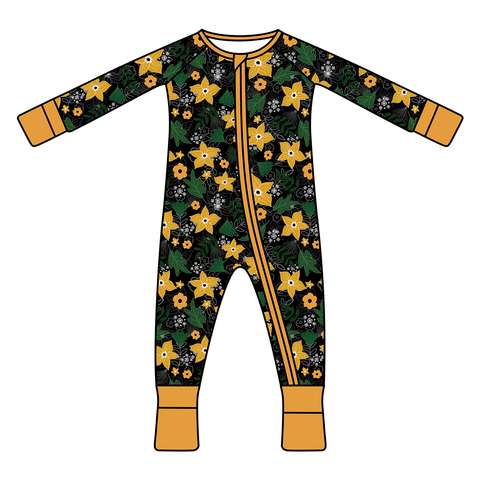
Optimizing Production of Kids Custom PJs and Baby Rompers
The production of kids’ custom pajamas (PJs) and baby rompers requires a harmonious blend of precision engineering, material science, and advanced textile manufacturing processes. Balancing comfort, durability, and versatility is critical when designing garments for children. This is where concepts like GSM (grams per square meter), fabric density, and the efficient integration of industrial machinery come into play.
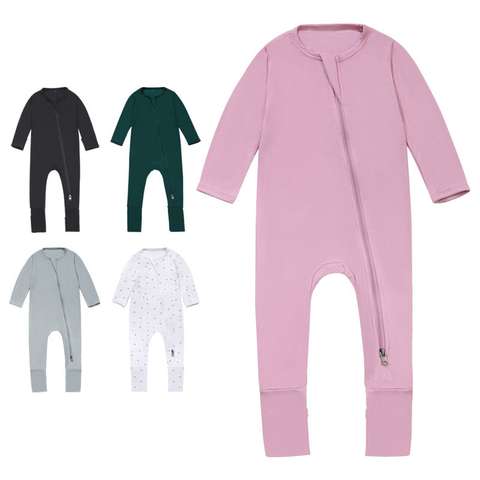
In this article, we delve into the key technical aspects of manufacturing these garments, exploring how GSM impacts fabric quality, how fabric density affects production, and how modern industrial machinery ensures consistency and scalability.
Understanding GSM in Kidswear Textile Manufacturing
GSM, or grams per square meter, is one of the most crucial determinants of fabric weight and quality. This value represents the weight of fabric over a given area. In children’s sleepwear and baby rompers, selecting the right GSM is essential for maintaining comfort, breathability, and durability. For example:
- Lightweight Material (120-150 GSM): Ideal for soft, summer-friendly baby rompers, allowing maximum breathability.
- Midweight Material (150-200 GSM): Commonly used for kids’ PJs, offering a balance between durability and comfort, suitable for year-round wear.
- Heavyweight Material (200+ GSM): Typically reserved for winter-oriented products and might include fleece-lined or double-layered PJs and rompers.
For custom kidswear like PJs and rompers, the target market often dictates GSM requirements. Parents prioritize safety and comfort, which means fabrics should feel soft against the skin while offering appropriate thermal performance.
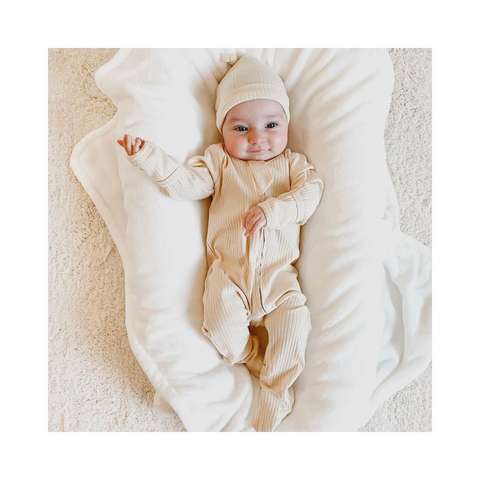
The Role of Fabric Density in Comfort and Durability
While GSM measures fabric weight, fabric density refers to the number of threads or yarns per square inch of fabric. Both factors work in tandem to influence the functionality of babywear and kids’ sleepwear.
Higher-density fabrics provide superior durability, making garments more resistant to tear and abrasion—essential for active toddlers and young children. Conversely, overly dense fabrics can potentially hinder breathability and result in discomfort. Striking the right balance is thus critical:
- High-Density Fabrics for Baby Safety: Ensuring fabrics do not snag or fray reduces the risk of choking hazards, which is critical when manufacturing baby rompers.
- Low-to-Medium Density Fabrics for Flexibility: Kids require freedom of movement, particularly during play or while asleep, and slight elasticity in low-to-medium density fabrics allows unrestrained motion.
Designing custom sleepwear offers the flexibility to tailor fabric density. Advanced industrial machinery allows manufacturers to experiment with thread counts during the weaving or knitting process to customize garments for specific markets.
Industrial Machinery: Revolutionizing Fabric Creation for Kidswear
The role of industrial machinery in modern textile manufacturing cannot be overstated, particularly when producing kids' custom PJs and baby rompers at scale. Using advanced automated machines streamlines production, enhances quality, and minimizes waste.
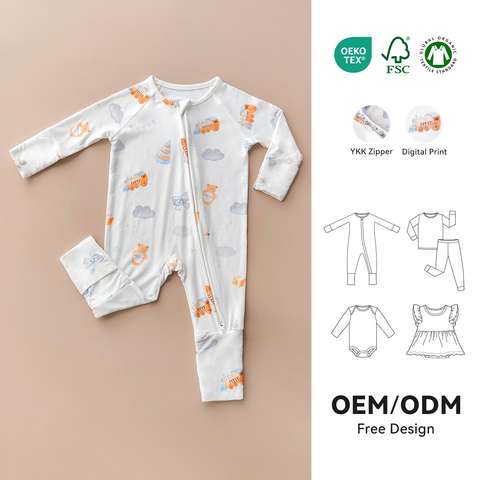
Knitting and Weaving Machines
Knitting machines are a staple for producing smooth and stretchable fabrics often used in baby rompers. Circular knitting machines help create seamless garments, reducing the need for additional stitching. On the other hand, weaving machines contribute to creating woven cotton or flannel fabrics typically used in classic PJs, ensuring superior durability.
Cutting and Sewing Equipment
Automated cutting machines optimize fabric usage by reducing leftover material, crucial in maintaining cost efficiency. Once cut, automated sewing machines come into play, enabling intricate customization such as embroidery with child-safe threads.
Digital Printing Technology
For custom designs, digital textile printers offer unmatched precision. They allow manufacturers to produce personalized patterns and illustrations, including children’s favorite cartoon characters or custom color schemes, printed directly onto the fabric with eco-friendly, non-toxic dyes.
| Fabric Type | Organic Bamboo |
| Compliance | CPC Certified |
| Customization | OEM |
| Lead Time | 37 Days |
Combining Functionality with Aesthetic Appeal
In B2B manufacturing for children’s garments, merging functionality and visual appeal is critical for market competitiveness. Custom PJs and baby rompers should address both, ensuring comfort, safety, and style. Businesses can leverage the following approaches:
Fabric Selection for Desired Properties
Materials like organic cotton are highly sought after for their softness and hypoallergenic properties, making them especially suitable for baby clothing. Spandex or elastane blends add stretch, improving the fit and comfort of children’s sleepwear.
Eco-Friendly Manufacturing Processes
Sustainability is becoming a non-negotiable factor in textile manufacturing. Adopting eco-friendly processes—such as the use of certified organic fabrics, water-saving dye techniques, and recycling offcuts—can appeal to environmentally-conscious businesses and end consumers.
Designing for Growth
An important consideration for babywear is rapid growth. Smart design elements, such as adjustable snaps or rollable cuffs, enable garments to be used as a child grows, adding value for parents.
The manufacturing of kids’ custom PJs and baby rompers presents unique challenges, but advanced technologies and strategic material selections ensure both functionality and quality. GSM and fabric density are critical factors influencing comfort and durability, while state-of-the-art machinery delivers scalable customizations with precision.
By adopting eco-conscious production techniques and leveraging modern technologies, manufacturers can produce high-quality kidswear that meets both B2B client expectations and parent preferences. Whether designing summer rompers or winter PJs, it is crucial to maintain a balance between safety, comfort, and aesthetic appeal in this growing segment of the textile industry.