Oem Bamboo Baby Clothes Floral Gots Organic Exporter
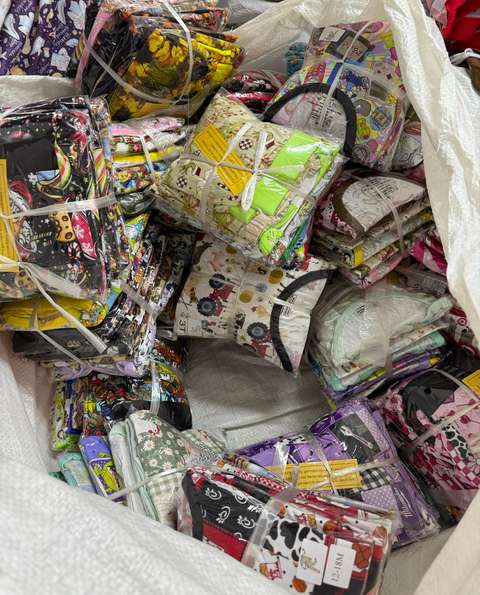
Bamboo Baby Clothes Floral: Engineering Meets Elegance
The fabric industry has witnessed a shift toward sustainability, with bamboo fabrics becoming a standout option, especially in baby clothing. Bamboo baby clothes, particularly with floral designs, merge form and functionality, offering softness, durability, and an aesthetic appeal. In this article, we focus on the technical underpinnings of bamboo baby clothing, exploring key concepts such as GSM (grams per square meter), fabric density, and the role of industrial machinery in ensuring precision production.
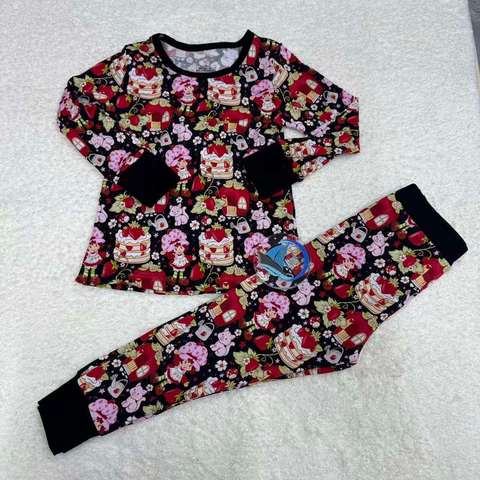
Understanding GSM and Its Impact on Fabric Performance
When evaluating fabric for baby clothes, GSM—or grams per square meter—takes center stage. GSM defines the weight of fabric per unit area and, consequently, is a critical metric in gauging the thickness and durability of the material being used for bamboo baby clothes.
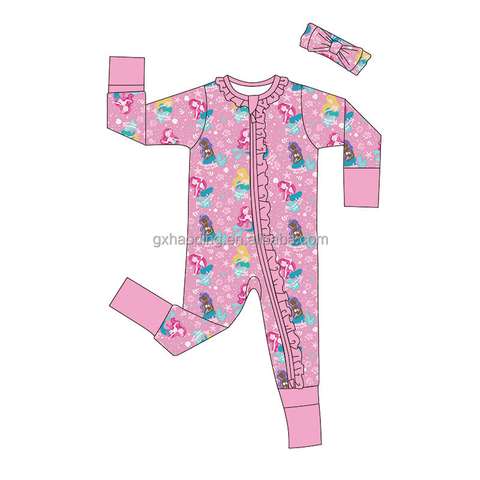
For baby clothes designed with a focus on comfort, breathability, and softness, a GSM rating ranging between 180 to 250 is ideal. Bamboo fabrics within this range are lightweight yet strong enough to endure repeated washing and general wear and tear. This GSM range achieves balance—providing the delicate touch needed for sensitive baby skin while maintaining structural integrity.
For manufacturers, achieving consistent GSM values in bulk production is paramount. Variations can affect not only the tactile experience but also the visual aesthetics of floral patterns. Thus, advanced machinery equipped with GSM monitoring systems becomes a vital component of the production line.
Fabric Density and Its Role in Comfort and Design
While GSM quantifies fabric weight, fabric density focuses on the compactness of threads within the material. In producing bamboo baby clothes, maintaining optimal fabric density ensures durability without compromising airflow—a crucial consideration for baby garments.
Floral designs require a uniform surface for aesthetic accuracy. Achieving this uniformity demands tight control of fabric density during the weaving or knitting process. Loose or inconsistent density can distort the floral patterns and compromise the garment's longevity. Techniques such as weft-knitting or circular knitting are often applied in the production of bamboo fabric for baby clothes to strike the delicate balance between density, flexibility, and print quality.
For businesses investing in bamboo textiles, understanding how fabric density interacts with other engineering parameters can inform purchasing decisions. Collaboration between textile engineers and machine operators ensures precise calibration of manufacturing equipment to meet these specifications effectively.
Industrial Machinery: Revolutionizing Bamboo Clothing Production
The emergence of eco-friendly fabric solutions like bamboo has driven advancements in industrial machinery for textiles. From initial processing to the cutting and sewing stages, every part of the production pipeline is as crucial as the last. In particular, bamboo baby clothes with floral designs rely heavily on precision equipment to achieve superior quality.
1. Spinning and Weaving Machinery
The production journey begins with the conversion of bamboo fibers into yarn. Open-end spinning machines are commonly utilized in this process due to their efficiency and adaptability. These machines are capable of handling the fine threads necessary for baby garments. Once the yarn is ready, weaving or knitting machines take over, creating the base fabric.
Modern weaving machinery, such as air-jet or rapier looms, comes equipped with advanced sensors that allow for real-time monitoring of fabric tension and density. This level of control is crucial for delivering consistent foundations for the floral designs and ensuring alignment with GSM requirements.
2. Dyeing and Printing Technology
Floral prints on bamboo baby clothing are accomplished through either reactive dyeing or digital printing processes. Reactive dyes, favored for their vibrant color retention, chemically bond with the bamboo fabric, maintaining the softness of the material. However, they require stringent quality control to prevent dye bleeding or unevenness.
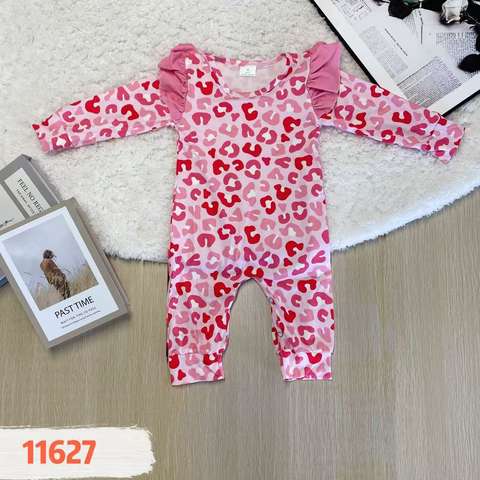
On the other hand, industrial-grade digital textile printers are transforming the printing landscape. These machines can execute intricate floral patterns with precision, layering dyes accurately to create designs that resonate with the market's demand for aesthetically pleasing bamboo baby clothing.
| Fabric Type | Organic Bamboo |
| Compliance | ASTM F963 |
| Customization | Private Label |
| Lead Time | 30 Days |
3. Cutting and Sewing Systems
Once the bamboo fabric has been prepared and printed, industrial machinery such as automated cutters and sewing systems take the lead. Laser cutting machines, guided by CAD (computer-aided design) systems, ensure the flawless extraction of floral patterns from the fabric. This precision minimizes waste, contributing to the sustainability goals of the production process.
Sewing systems, equipped with programmable logic controllers (PLCs) and robotic arms, complete the final assembly. With these machines, manufacturers can achieve consistent stitching that aligns with the industry's safety standards, all while meeting stringent deadlines.
Balancing Sustainability and Scalability in Bamboo Baby Clothes Production
The demand for eco-friendly baby clothing has carved a unique niche in the textile industry, and bamboo fabric has emerged as a leading solution. However, sustainability must coexist with scalability to meet the growing demand for products like bamboo baby clothes featuring floral designs.
Engineers and manufacturers continuously innovate by integrating energy-efficient methods into their machinery. For example, closed-loop systems in fabric dyeing minimize water and chemical waste, while IoT-enabled devices enhance predictive maintenance and reduce downtime. Such practices not only align with sustainable business ethics but also enhance profitability in the long run.
The production of bamboo baby clothes with floral designs involves a delicate interplay between art and engineering. At the heart of it are parameters such as GSM and fabric density, which directly impact comfort, durability, and aesthetics—key attributes for baby clothing. Meanwhile, cutting-edge industrial machinery ensures production processes remain efficient, precise, and environmentally responsible.
As markets grow more eco-conscious and design-driven, companies in the textile sector must strike a balance between technical excellence and creative exploration. Bamboo baby clothes with floral prints represent an opportunity for businesses to meet these twin demands, delivering products that are as technically superior as they are beautiful.