Cpsia Compliant Women Bamboo Pajama Wholesale Flower Bow Family Pajamas Bamboo Fabric Pink Print Matching Sleepwear Custom Manufacturer

Exploring Bamboo Fabric Pajamas: A Precise Fusion of Comfort, Sustainability, and Engineering
The global demand for sustainable textiles is on the rise, driven by increasing consumer awareness of eco-conscious materials. Bamboo fabric has emerged as a frontrunner in this space, offering a unique blend of comfort, durability, and sustainability. Wholesale women’s bamboo pajama sets, particularly in the flower bow and pink print family matching sleepwear category, represent a niche yet rapidly growing market. This article delves into the technical aspects of fabric density (GSM), textile engineering, and industrial machinery involved in the production of women's bamboo pajamas.
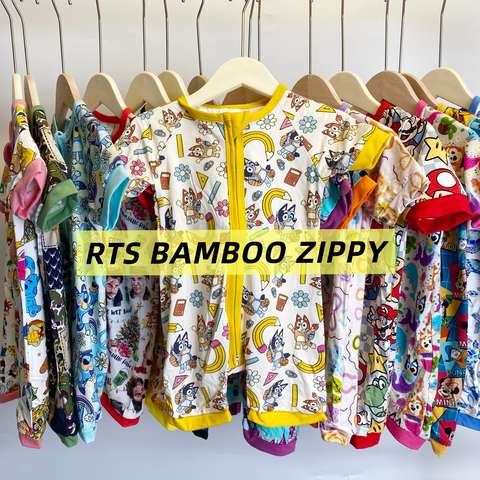
Understanding GSM for Bamboo Fabric
GSM, or "grams per square meter," is a critical parameter in textile engineering that measures fabric density. GSM directly impacts the texture, opacity, and wearability of garments. For women's bamboo pajamas and matching family sleepwear, achieving the right GSM is crucial for ensuring maximum softness without compromising durability.
Typically, bamboo fabrics used in sleepwear range between 170 GSM and 220 GSM:
- Lightweight bamboo fabrics (~170 GSM) are suitable for warm climates, ensuring breathability and comfort.
- Medium-weight fabrics (~220 GSM) offer better insulation, ideal for year-round use.
Balancing Fabric Density and Consumer Preferences
Bamboo fabric offers inherent advantages like antimicrobial properties, moisture-wicking capabilities, and hypoallergenic properties, which are particularly important for sleepwear. However, the challenge lies in optimizing GSM to suit consumer preferences. For instance:
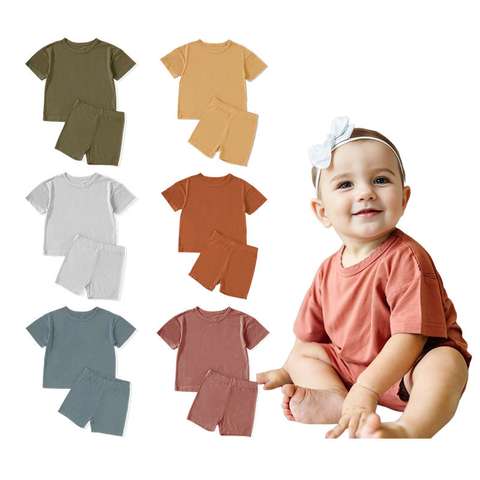
- Ultra-Soft Texture: Bamboo fibers inherently create a soft, silky surface. By maintaining GSM at around 180-200, manufacturers can ensure "next-to-skin" comfort.
- Durability: Higher GSM improves fabric strength and longevity, which is critical for family matching sleepwear that may see frequent washing and use.
The Industrial Machinery Behind Bamboo Sleepwear Production
The production of bamboo fabric requires advanced textile machinery. Starting with bamboo pulp conversion to its final woven form, each stage contributes to fabric quality and production efficiency. Let’s explore the industrial machinery and processes involved.
The Role of Textile Machinery in Bamboo Fabric Production
Advanced mechanization is pivotal for producing consistent, high-quality bamboo products. Here are three key stages where specialized machinery is utilized:
- Bamboo to Viscose Fiber Transformation: In this phase, raw bamboo is chemically processed and softened into cellulose pulp, which is then spun into viscose fibers. Machines like chemical digesters and fiber extruders play a key role here.
- Knitting and Weaving Machines: Circular knitting machines are commonly used to create bamboo jersey fabric—an ideal material for women’s pajamas. The fine-gauge needles in these machines ensure uniformity and precision in fabric weave.
- Digital Textile Printers: For flower bow and pink print pajamas, digital printing technology is integral. Reactive dye printing enables manufacturers to achieve vibrant, long-lasting designs that appeal to consumers.
Quality Control in GSM Management
To ensure fabric consistency, manufacturers utilize GSM cutting machines and fabric inspection machines. GSM cutters precisely measure the grams per square meter of finished fabric samples. Automated inspection machines use vision algorithms to detect defects in real-time, ensuring only the best quality reaches the end users.
Why Bamboo is Ideal for Women's and Family Pajamas
Bamboo fabric offers a unique combination of sustainability and comfort. These qualities make it an unbeatable choice for producing women’s pajamas and family matching sets. Let’s examine the properties that set bamboo apart from traditional fabrics.
Sustainability of Bamboo Fabric
Bamboo as a raw material is sustainable due to its fast growth rate (up to 3 feet per day in optimal conditions) and minimal environmental footprint. The following factors make bamboo-based pajama production eco-friendly:
- Low Water Usage: Unlike cotton, bamboo requires far less water during cultivation.
- No Pesticides Required: Bamboo is naturally pest-resistant.
- Biodegradability: Bamboo fabric decomposes naturally, reducing textile waste in landfills.
Properties of Bamboo Fabric for Sleepwear
The thermoregulating and moisture-wicking properties of bamboo fabric make it suitable for all seasons. Additional properties like antibacterial action ensure odor resistance, an essential feature for sleepwear. These traits, combined with its hypoallergenic nature, ensure wide consumer appeal.
| Fabric Type | Pima Cotton |
| Compliance | CPSIA Compliant |
| Customization | Tailor-made |
| Lead Time | 18 Days |
Wholesale Considerations for 'Flower Bow Family Pajamas' and 'Pink Print Sleepwear'
Wholesale buyers often seek not just cost efficiency but also differentiation in product offerings. When it comes to bamboo pajama sets, the choice of design, material quality, and finishing play critical roles. Below are some essential wholesale considerations:
Design Trends and Consumer Demand
Patterns like floral bows and pink prints resonate strongly with family segments. Digital printing techniques ensure designs remain vibrant and withstand multiple washes. For wholesalers, it’s essential to collaborate with manufacturers offering customizable designs to stay aligned with market trends.
Bulk Production Efficiency
Industrial manufacturing machinery enables bulk production without compromising quality. Automatic knitting looms and high-speed digital printing technologies facilitate seamless transitions between production batches, optimizing operational costs for bulk orders.
Packaging and Branding
Wholesalers should also consider eco-friendly packaging materials to align with the sustainable ethos of bamboo sleepwear. Transparent labeling regarding bamboo content and fabric GSM builds consumer trust and adds value.
Women’s bamboo pajamas and family matching sleepwear represent a lucrative opportunity in both retail and wholesale markets. The combination of comfort, aesthetic appeal, and sustainability offered by bamboo fabric creates immense consumer demand. For manufacturers, the key lies in leveraging advanced textile machinery and optimal GSM parameters to produce high-quality products. Wholesalers, on the other hand, must focus on aligning product offerings with consumer trends, such as floral patterns and family-friendly designs.
By focusing on these technical and consumer-centric aspects, businesses can establish themselves as leaders in the eco-friendly sleepwear segment and cater to the growing demand for sustainable fashion.