Custom Bamboo Clothing Wholesale Cpc Certified Manufacturer
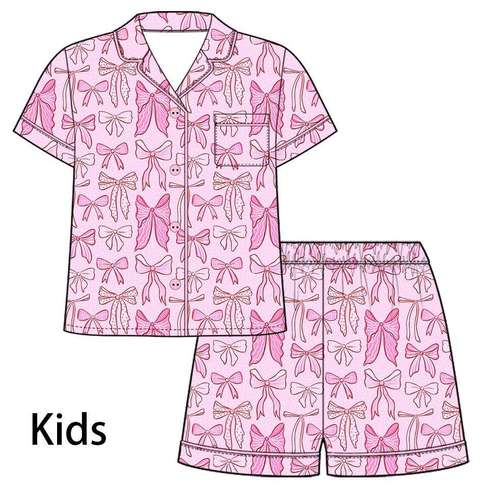
Bamboo Clothing Wholesale: A Technical Insight
The textile industry is rapidly evolving, with sustainability and innovation taking center stage. Bamboo clothing is gaining traction as a preferred choice for many due to its eco-friendly and versatile nature. In this article, we delve into various technical aspects surrounding bamboo fabric, focusing on GSM, fabric density, and industrial machinery essential for its production.
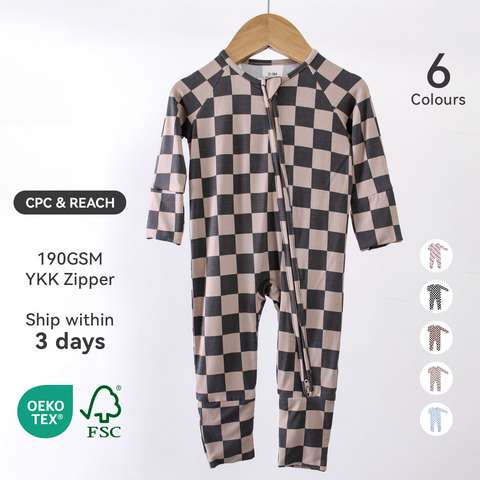
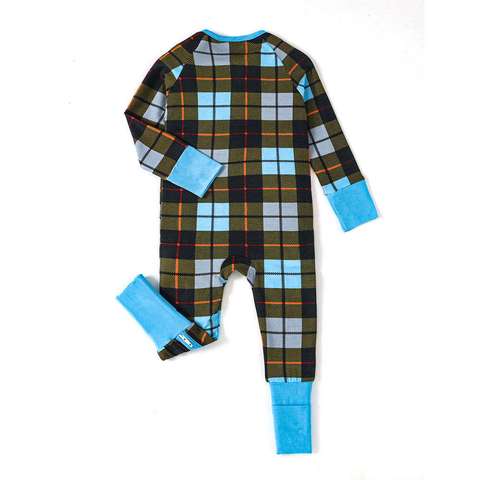
Understanding Bamboo Fabric: Composition and Characteristics
Bamboo clothing is primarily crafted from bamboo rayon or viscose. This semi-synthetic fabric is known for its softness, breathability, and moisture-wicking properties. Bamboo rayon is derived from the cellulose of bamboo plants, which is transformed through a chemical process into fibers suitable for textile manufacturing.
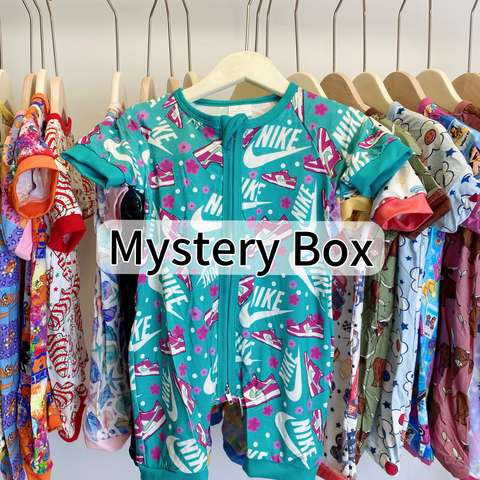
This fabric exhibits unique characteristics like antibacterial properties, high absorbency, and UV resistance. Such traits make bamboo clothing ideal for creating comfortable, durable, and sustainable garments which appeal to environmentally conscious consumers.
Grams per Square Meter (GSM): Gauging Fabric Weight and Quality
GSM, or grams per square meter, is a critical metric in the textile industry, especially when assessing bamboo fabric. It measures fabric weight in grams for a square meter of fabric, providing insight into its thickness and durability. For bamboo clothing, GSM typically ranges from 150 to 300, allowing for different uses.
- 150-180 GSM: Ideal for lightweight applications like t-shirts and undergarments.
- 180-220 GSM: Used for medium-weight clothing such as dresses and casual wear.
- 220-300 GSM: Suitable for heavy-duty products like hoodies and sweatshirts.
Businesses engaged in bamboo clothing wholesale should consider GSM carefully to ensure they meet the specific needs of their clientele, balancing softness and strength while maintaining quality.
Fabric Density: Evaluating Structural Integrity and Wearability
Fabric density is another pivotal factor determining the appeal and performance of bamboo clothing. It refers to the compactness of the fabric, influencing its texture and durability. Bamboo yarns must be woven or knitted with precision to achieve the desired density for the end product.
A higher fabric density typically enhances fabric durability, making garments more resistant to wear and tear. However, this must be balanced to avoid overly rigid clothing. Optimal fabric density in bamboo apparel ensures a soft feel without compromising on strength, aiding in the longevity of the clothing.
Industrial Machinery: Facilitating Efficient Bamboo Fabric Production
Manufacturing bamboo clothing requires specialized industrial machinery tailored to handle the nuances of bamboo rayon production. Some key technological components include:
| Fabric Type | Organic Bamboo |
| Compliance | ASTM F963 |
| Customization | Private Label |
| Lead Time | 38 Days |
- Spinning Machines: These machines convert bamboo pulp into yarn, crucial for fabric formation.
- Knitting Machines: Utilized for the production of bamboo knits, providing versatility in fabric design.
- Weaving Looms: Essential for creating woven bamboo textiles, ensuring precision and consistency.
- Dyeing Equipment: Compatible with eco-friendly dyes, maintaining the sustainability of bamboo fabrics.
- Finishing Machines: Enhance the fabric’s feel and appearance, adding value to the final product.
Investing in high-quality industrial machinery is crucial for wholesalers focused on bamboo clothing, as it directly impacts the quality, efficiency, and sustainability of production.
Navigating the Wholesale Market: Strategies for Success
Entering the bamboo clothing wholesale market involves strategic planning to capitalize on the burgeoning demand. Here are a few critical steps for businesses:
- Research and Development: Continuous innovation in fabric technology and design to cater to diverse consumer preferences.
- Quality Control: Implement stringent quality checks to ensure product excellence, focusing on GSM and fabric density standards.
- Supplier Relationships: Establish strong ties with reliable raw material suppliers to secure the best bamboo pulp and yarn.
- Branding and Marketing: Develop a compelling brand narrative that highlights the sustainability and benefits of bamboo clothing.
- Logistics and Distribution: Optimize supply chain efficiencies for timely delivery and minimize environmental footprint.
Adopting these strategies allows wholesalers to effectively navigate market demands, positioning themselves as leaders in sustainable apparel.
, bamboo clothing represents a promising sector in the textile industry, demanding attention to technical details like GSM, fabric density, and industrial machinery. Success in bamboo clothing wholesale requires a keen understanding of these factors, coupled with strategic business operations. By embracing quality, sustainability, and innovation, businesses can thrive and contribute positively to the global push for environmentally friendly fashion.