Custom Bamboo Clothingbaby Rompers Cpsia Compliant Factory
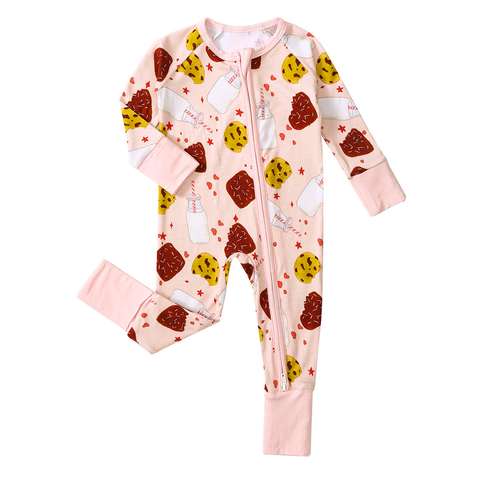
Introduction to Bamboo Clothing: Revolutionizing Baby Rompers
In the rapidly evolving textile industry, bamboo clothing has emerged as a sustainable and resource-efficient solution, especially for producing baby rompers. With an increasing focus on eco-friendliness and comfort, bamboo fabric offers unique qualities that set it apart from traditional textiles. Understanding the technical aspects of bamboo fabric production, such as GSM, fabric density, and the role of industrial machinery, is imperative for businesses aiming to delve into this promising market.
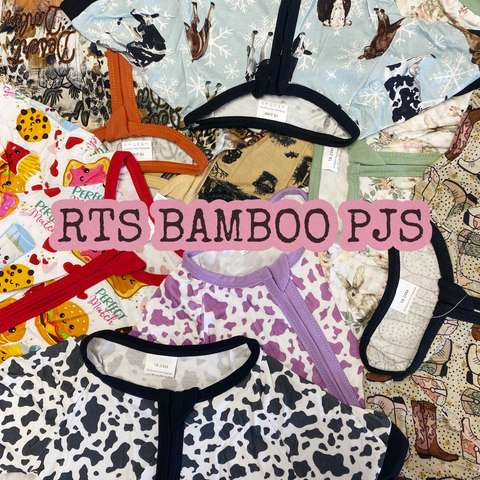
The Advantages of Bamboo Fabric in Baby Clothing
Bamboo fabric is derived from regenerated cellulose fiber, offering numerous benefits that make it ideal for baby rompers. It is renowned for its exceptional softness, breathability, and hypoallergenic properties. These features are crucial for babies, who have sensitive skin and require clothing that minimizes irritation. , bamboo fabric boasts antimicrobial properties, enhancing hygiene, which is essential for baby clothing.
One of the key technical benefits is the fabric’s natural moisture-wicking capability, which keeps the skin dry and comfortable. This article delves into the intricacies of bamboo clothing production, focusing on factors like GSM, fabric density, and the machinery used in the manufacturing process.
GSM and Fabric Density in Bamboo Clothing
The quality and suitability of bamboo fabric for baby rompers largely depend on the GSM (grams per square meter) and fabric density. GSM is a critical measurement in the textile industry that quantifies the weight of fabric, directly impacting its durability, thickness, and warmth. For baby rompers, a GSM range of 200-250 is ideal as it provides a balance of lightness and warmth, ensuring comfort for various weather conditions.
Fabric density, on the other hand, refers to the weight distribution and the compactness of yarns woven or knitted together. In bamboo clothing, optimal fabric density ensures enhanced durability and resistance to wear, while maintaining a soft and flexible texture. The combination of appropriate GSM and fabric density is fundamental in producing high-quality baby rompers that uphold the desired comfort and longevity.
Role of Industrial Machinery in Bamboo Fabric Production
The production of bamboo fabric involves intricate processes that rely heavily on advanced industrial machinery. This machinery not only facilitates efficient manufacturing but also ensures consistency in quality, which is paramount for meeting stringent industry standards.
Modern industrial machinery, equipped with automated controls and precision technologies, allows for the meticulous processing of bamboo into fiber. The machinery utilized ranges from those used in the initial mechanical processing of bamboo stalks to advanced knitting and weaving machines that produce the final fabric. Each stage requires specific machinery designed to handle the unique properties of bamboo fibers, optimizing both the efficiency and quality of the final product.
Key Machinery in the Bamboo Fabric Production Process
The production of bamboo textiles involves several key types of machinery, each playing a vital role:
- Mechanical Processing Machines: These are used in the initial stages to extract cellulose from bamboo stalks. Mechanical extraction is preferred as it is environmentally friendly and retains the natural integrity of the fiber.
- Carding Machines: Post cellulose extraction, carding machines align and separate the fibers, ensuring uniformity before spinning. This step is critical for achieving a consistent yarn quality.
- Spinning Machines: These machines convert prepared fibers into yarn. Ring spinning machines are commonly used for bamboo fibers due to their capability to produce smoother and finer yarns.
- Weaving and Knitting Machines: These create the final fabric from yarn. High-speed knitting machines are often employed for bamboo fabric due to their efficiency and precision, essential for maintaining the soft texture and stretch required for baby rompers.
Environmental Impact and Sustainability Considerations
Bamboo fabric production is widely recognized for its sustainability benefits. Bamboo cultivation requires minimal water, no pesticides, and grows rapidly, making it a highly renewable resource. This aligns with the growing demands for eco-friendly and sustainable textiles in the market.
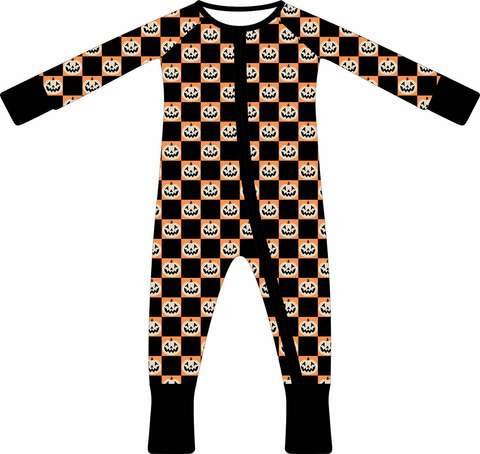
, the closed-loop processes employed in bamboo fabric production help in minimizing waste and reducing the carbon footprint of textile manufacturing. Understanding these sustainable practices is pivotal for businesses looking to offer environmentally responsible baby clothing options.
| Fabric Type | Organic Bamboo |
| Compliance | ASTM F963 |
| Customization | Tailor-made |
| Lead Time | 29 Days |
Sustainable Practices in the Production Process
Several sustainable practices are integral to bamboo fabric production:
- Eco-Friendly Yarns: Utilizing organically sourced eco-friendly yarns ensures that the environmental impact is minimized at the very start of the production process.
- Closed-Loop Systems: Utilizing closed-loop systems in the processing of bamboo ensures that chemicals used are recycled, minimizing waste and protecting natural resources.
- Energy-Efficient Machinery: Deploying advanced machinery that consumes less energy and operates efficiently reduces the environmental impact.
Bamboo clothing, particularly for baby rompers, presents a harmonious blend of comfort, sustainability, and technological innovation. The meticulous balance of GSM and fabric density, supported by precision-driven industrial machinery, ensures that the final product is of high quality, comfortable, and eco-friendly. Businesses embracing bamboo fabric not only contribute to sustainable practices but also cater to the increasing market demand for innovative and environmentally responsible products. As the textile industry continues to evolve, understanding and adopting the complexities of bamboo fabric production will prove to be a competitive advantage.