Gots Organic Bamboo Baby Pajamas Ready To Ship Custom Wholesale
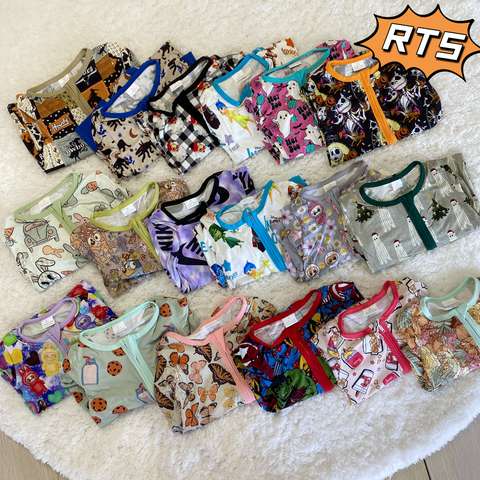
Bamboo Baby Pajamas: Ready to Ship Innovation in Textile Engineering
As the demand for sustainable and comfortable baby clothing rises, the textile engineering sector has turned its focus towards innovative solutions. One prominent development is bamboo fabric, especially in the production of baby pajamas. This article explores the critical technical aspects such as GSM (grams per square meter), fabric density, and industrial machinery involved in the production of bamboo baby pajamas ready to ship.
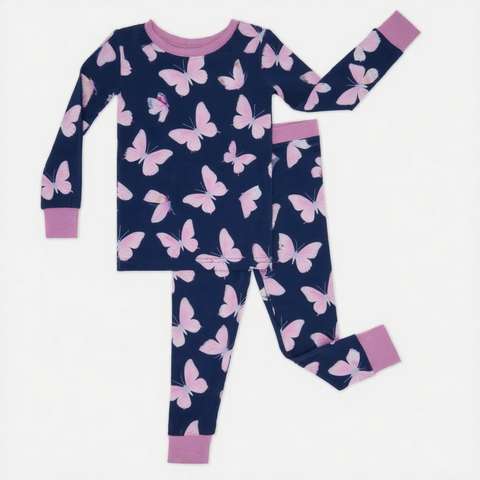
The Importance of GSM in Fabric Quality
GSM, or grams per square meter, is a crucial metric in textile engineering, determining the weight and quality of fabric. For bamboo baby pajamas, an ideal GSM ensures that the fabric is both lightweight and durable. Typically, a GSM ranging between 150 to 200 is preferred for baby pajamas, achieving a perfect balance between softness and resilience.
Understanding GSM helps manufacturers maintain consistency in fabric quality. Higher GSM can mean denser fabric, which implies better durability but potentially less breathability, while a lower GSM often indicates a lighter, softer fabric but may lack in durability. For bamboo baby pajamas, achieving this balance is essential, given the need for a gentle yet durable product for sensitive baby skin.
Fabric Density: A Balancing Act
Fabric density plays a pivotal role in determining the tactile feedback, durability, and thermal insulation properties of bamboo baby pajamas. Given bamboo's inherent properties, such as natural antimicrobial features and excellent moisture absorption, maintaining an optimal fabric density ensures that these traits are enhanced rather than compromised.
The density of the fabric directly influences the thermal conductivity and insulation. For baby pajamas, it's essential to provide adequate warmth without overheating. High-density fabrics ensure superior warmth and longevity, while low-density fabrics offer better breathability and lighter weight, which is particularly beneficial during warmer months or climates.
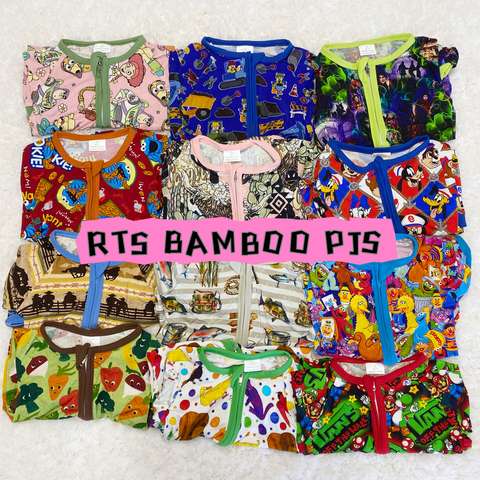
The intricacy involved in maintaining the right fabric density while also conserving bamboo's ecological benefits shows the importance of precise engineering in sustainable textile production.
Role of Industrial Machinery in Production
The production of bamboo baby pajamas at an industrial scale requires advanced machinery capable of handling the delicate nature of bamboo fibers while ensuring efficiency and consistency. Modern textile factories employ state-of-the-art machinery that facilitates seamless production from fiber processing to garment manufacturing.
Key machinery includes:
- Fiber Extractors: Machines designed for the initial extraction of bamboo fibers ensure the fibers are harvested with minimal damage, retaining their natural qualities.
- Knitting Machines: These machines are crucial for transforming bamboo fibers into smooth fabric suitable for baby pajamas, providing consistent weaves and handling variable fabric densities to meet specific GSM requirements.
- Finishing Machines: Finishing machines apply essential treatments to bamboo fabrics, enhancing softness, durability, and colorfastness while ensuring the final product is safe for sensitive baby skin.
The interplay between human ingenuity and mechanical precision in these machines helps achieve a product that is not only of high quality but also sustainable and eco-friendly.
Sustainability and Business Implications
The sustainable aspect of bamboo baby pajamas is an attractive proposition for businesses. Bamboo is a rapidly renewable resource, making it an eco-friendly alternative to traditional cotton or synthetic fibers. Its cultivation requires less water, no pesticides, and improves soil health, aligning with global sustainability goals.
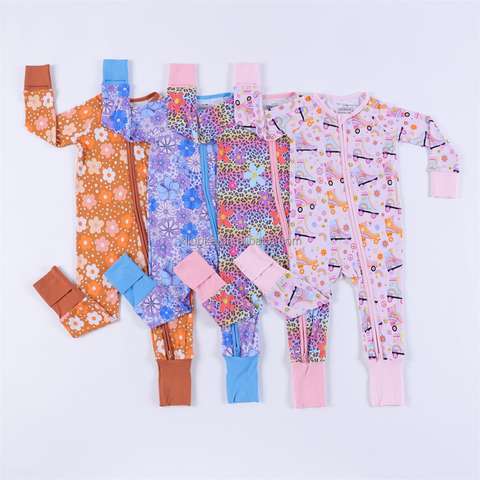
For B2B stakeholders, offering ready-to-ship bamboo baby pajamas presents several business advantages:
- Market Appeal: The growing consumer demand for green products paves the way for higher sales and brand loyalty.
- Regulatory Compliance: Meeting local and international environmental standards reduces legal risks and enhances market access.
- Cost Efficiency: Long-term savings from sustainable practices and potential government incentives for eco-friendly business operations.
By investing in bamboo baby pajamas, businesses align themselves with environmental stewardship and boost their corporate responsibility profile.
: Engineering the Future of Baby Wear
Bamboo baby pajamas exemplify the fusion of sustainability and engineering innovation in the textile industry. Addressing the critical factors such as GSM, fabric density, and the role of specialized industrial machinery, manufacturers can produce high-quality, eco-friendly garments that meet the rising demands of environmentally conscious consumers.
| Fabric Type | Organic Bamboo |
| Compliance | OEKO-TEX 100 |
| Customization | OEM |
| Lead Time | 30 Days |
As the industry moves forward, the emphasis on sustainable practices alongside advanced engineering will continue to drive progress, opening new avenues for innovative applications and solutions in textile manufacturing. For businesses ready to adapt, ready-to-ship bamboo baby pajamas represent not only a product offering but a commitment to quality and ecological integrity.