Custom Bamboo Convertible Zip Romper Gots Organic Factory
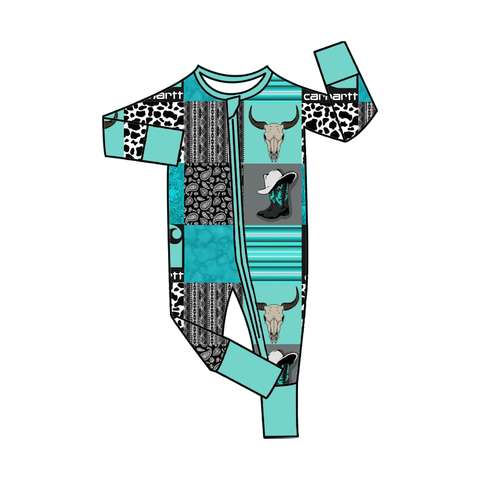
The Engineering Marvel Behind Bamboo Convertible Zip Rompers
Bamboo convertible zip rompers have emerged as a popular choice in the apparel market due to their versatility, comfort, and eco-friendliness. However, from a manufacturing perspective, creating these specialized garments involves a high degree of precision, sophisticated machinery, and a deep understanding of material properties such as GSM (grams per square meter) and fabric density. This article provides a technical breakdown of the production process, highlighting the importance of these metrics and how industrial machinery plays a pivotal role in achieving quality and scalability.
1. Understanding Bamboo Fabric and Its GSM Characteristics
Bamboo fabric has gained significant attention for its sustainable and environmentally friendly attributes. As a textile material, bamboo is known for being soft, breathable, and durable, making it an ideal choice for a wide range of garments, particularly babywear like the convertible zip romper.
1.1 What Is GSM and Why It Matters
GSM, or grams per square meter, is a measure of fabric density that directly impacts a material’s performance and feel. For bamboo rompers, the GSM typically ranges between 200 and 350. Lower GSM fabrics are lighter and more breathable, perfect for summer wear. On the other hand, higher GSM fabrics provide better insulation and durability, making them suitable for cooler climates.
When designing a bamboo convertible zip romper, manufacturers must carefully select the GSM to balance softness, stretchability, and durability. For example, a GSM of 250 is often used for rompers to ensure the garment remains lightweight, comfortable, and resistant to wear and tear – all essential qualities for active infants and toddlers.
1.2 The Role of Fabric Density
In addition to GSM, fabric density is an important factor that determines how tightly the fibers are woven or knit together. Bamboo fibers are typically produced through advanced knitting techniques to maximize their flexibility and strength. To meet industry standards, fabric density is closely monitored during production using electronic sensors and tension control mechanisms embedded in the knitting machinery. This ensures that the romper’s fabric maintains uniform properties across large production batches.
2. Industrial Machinery in Bamboo Romper Manufacturing
Modern bamboo apparel manufacturing relies heavily on industrial machinery to achieve precision, efficiency, and scalability. Here’s a detailed look at the critical machinery used in the production of bamboo convertible zip rompers:
2.1 Knitting Machines for Bamboo Fabric Production
The first step in manufacturing a bamboo romper is producing the base fabric. Circular knitting machines are widely employed to create high-quality bamboo fabric. These machines allow for continuous production of soft, flexible material, forming a seamless foundation for the romper.
State-of-the-art knitting machines are equipped with adjustable stitch controls that enable fine-tuning of fabric density based on the GSM specifications. Automatic tension adjustment systems further ensure consistent fiber alignment, creating uniform fabric rolls that meet the desired texture and tensile strength.
2.2 Laser Cutting and Patterning Machines
Once the fabric is prepared, precision cutting is essential to create the individual components of the convertible romper. Laser cutting machines are preferred for this process, as they offer unparalleled accuracy and waste minimization. Pre-programmed CAD designs guide the machine to cut complex patterns, including areas for the zipper, snaps, and convertible sections.
Laser cutting not only ensures a uniform edge finish but also enhances efficiency by reducing production time. , it eliminates fraying at the edges, a common issue in bamboo fabric due to its tightly woven fibers.
2.3 Multi-Needle Sewing Machines
Assembly of the individual components of the bamboo romper involves sophisticated multi-needle sewing machines. These machines specialize in creating durable seams and clean finishes. Bamboo fabric’s natural elasticity requires precise stitching techniques to prevent loose seams and puckering. Automatic guidance systems in modern sewing units facilitate consistent thread tension, contributing to the garment’s aesthetic and functional quality.
3. The Convertible Zipper Design: A Technical Perspective
The hallmark feature of the bamboo convertible zip romper is its zipper system, which serves both functional and ergonomic purposes. Designing a high-quality zipper mechanism for a baby garment goes beyond aesthetics and involves significant engineering challenges. Factors like placement, strength, and flexibility need to be carefully balanced.
3.1 Selecting the Right Zipper
Zippers used in bamboo rompers are typically made from lightweight materials such as nylon or polyester. For babywear, the zippers are selected to be smooth and snag-free, ensuring safety and comfort for the child. Advanced zipper-making machinery precisely manufactures these zippers to fit the specifications of the romper without adding unnecessary bulk or rigidity.
3.2 Seam Integration
The zipper is seamlessly integrated into the romper using specialized flatlock sewing machines. This not only maintains the garment’s sleek profile but also ensures a high-quality finish that can withstand multiple wash cycles. These machines use heat bonding and pressure control for added durability, reducing the risk of zipper detachment over time.
4. Quality Control and Testing
Quality control measures are critical in the production of bamboo convertible zip rompers. Given their targeted market—infants and toddlers—the garments must adhere to stringent safety and quality standards. Several technological solutions are implemented to ensure consistency and reliability across production batches:
4.1 GSM Testing Machines
After fabric production, GSM testing machines are used to verify that the material meets the predetermined weight specifications. Variations in GSM can impact everything from garment fit to durability, making this step an essential part of process optimization.
4.2 Tensile Strength Testing
To ensure the romper can withstand daily wear and tear, tensile strength tests are performed on the fabric and zippers. These tests simulate real-world stressors, ensuring the garment remains durable under various conditions.
4.3 Colorfastness and Wash Testing
Bamboo rompers are often dyed using eco-friendly inks. To ensure long-term color stability, industrial wash testing machines are used to assess resistance to fading and shrinking. These tests help maintain the romper’s vibrant colors and fit across multiple uses.
5. Sustainability and Efficiency in Modern Production
The production of bamboo rompers aligns with the increasing industrial focus on environmental sustainability. Bamboo itself is a renewable material, requiring minimal water and no pesticides to cultivate. This eco-friendly ethos is carried through manufacturing via energy-efficient machinery and closed-loop production systems.
5.1 Waste Reduction Through Automation
Automation plays a vital role in minimizing material waste during fabric production and cutting. Sophisticated software integrates with machinery to optimize fabric usage, reducing offcuts and scraps.
| Fabric Type | Organic Bamboo |
| Compliance | ASTM F963 |
| Customization | ODM |
| Lead Time | 23 Days |
5.2 Energy-Efficient Machinery
Modern manufacturing units are equipped with energy-efficient motors and systems that reduce electricity consumption. Innovations such as heat recovery systems are also employed to further offset the environmental impact of production processes.
The bamboo convertible zip romper is a testament to the seamless integration of innovative materials, precise engineering, and advanced industrial machinery. From carefully calibrated knitting machines to sustainable production practices, every facet of manufacturing is designed to produce a high-quality garment. By understanding the technical nuances of GSM, fabric density, and the role of machinery, manufacturers can continue to meet the growing demand for these versatile and eco-friendly garments. Investing in the right technologies and adhering to stringent quality control measures ensures that bamboo rompers remain a durable, safe, and sustainable choice for consumers worldwide.