Cpc Certified Christmas Outfits For Kids Bespoke Supplier
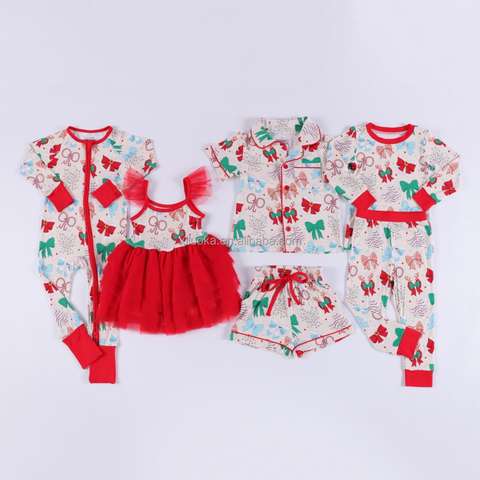
Producing High-Quality Christmas Outfits for Kids: A Technical Breakdown
The festive season brings an increased demand for kids' Christmas outfits that are not only aesthetically pleasing but also comfortable and durable. For businesses in the textile and apparel industry, achieving this balance requires a technical focus on fabric quality, production processes, and industrial machinery. By optimizing key factors such as GSM (grams per square meter), fabric density, and the appropriate use of machinery, manufacturers can deliver premium-quality outfits that meet the market's expectations.
Understanding the Importance of GSM in Kids’ Clothing
GSM, or grams per square meter, is one of the key parameters in determining the quality and functionality of fabrics used in kids' clothing. For Christmas outfits, the GSM plays a critical role in ensuring the material feels soft and cozy while maintaining durability. Fabrics with a GSM range between 120 to 250 are commonly used for children's winter wear, as they strike the right balance between thickness and breathability.
A lower GSM, such as 120-150, is suitable for lightweight and breathable fabrics like cotton blends. These fabrics are ideal for kids who’ll be indoors during festive celebrations. Meanwhile, a GSM range closer to 200-250 is better suited for heavier textiles such as fleece or knitted fabrics, providing the warmth needed for outdoor winter activities.
Ensuring the GSM is within the ideal range during production is essential for maintaining both functionality and aesthetic appeal. Advanced machinery, such as GSM testers, can help manufacturers measure fabric weight accurately before cutting and stitching.
The Role of Fabric Density in Christmas Outfits
While GSM measures a fabric's weight, fabric density defines the closeness of threads within the weave or knit. For kids' Christmas outfits, fabric density significantly impacts the durability and softness of the material. High-density fabrics are less prone to tearing, ensuring the clothing withstands the energetic activities of children during the holidays.
Knitted fabrics, often used for festive sweaters and dresses, have lower density but greater elasticity compared to woven fabrics. On the other hand, woven fabrics such as twill and satin offer tighter construction, making them ideal for structured outfits like holiday dresses and tailored ensembles.
Testing and Monitoring Fabric Density
Fabric density can be measured and controlled using specific industrial machinery, like density monitoring systems installed on knitting or weaving machines. While manual checks can work for smaller batches, automated systems ensure consistency for large-scale production. For instance, modern weaving machines come equipped with real-time monitoring devices that regulate thread spacing and tension, guaranteeing a uniform finish.
Utilizing Industrial Machinery for Advanced Manufacturing
The production process for kids' Christmas outfits inherently relies on efficient industrial machinery. Choosing the right machinery – from cutting to sewing to finishing – ensures faster production cycles, lower operational costs, and enhanced product quality.
Cutting Machinery for Precision
Precision in cutting patterns is crucial when manufacturing kids' clothing, particularly for intricate designs on Christmas outfits. Laser cutting machines and automated fabric cutters use CAD data to create precise shapes for garments, minimizing fabric wastage. These technologies are especially useful for producing designs like festive stars, snowflakes, and other embellishments common in Christmas attire.
Sewing and Stitching for High-Quality Finish
After the fabric is cut, industrial sewing machines take over to assemble the pieces. Lockstitch and overlock machines are commonly used in manufacturing kids’ outfits. Overlock machines are essential for creating durable seams, particularly in high-stress areas like underarms and shoulders. For ornamental stitching, such as decorative hems or embroidery, computerized multi-head embroidery machines are often used.
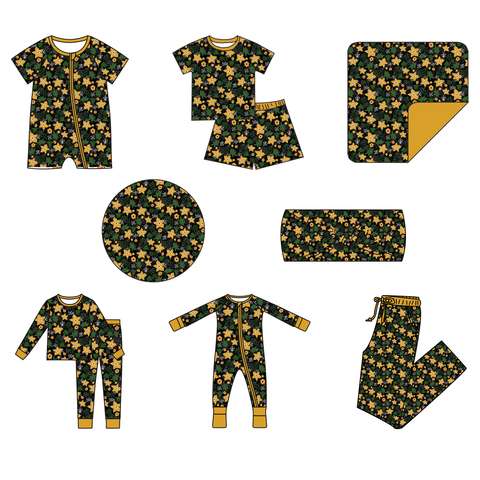
| Fabric Type | Organic Bamboo |
| Compliance | ASTM F963 |
| Customization | Tailor-made |
| Lead Time | 27 Days |
Ensuring all machines are calibrated properly can significantly influence the final product’s quality. For instance, an improperly tensioned sewing machine can cause skipped stitches, which would reduce the durability of children’s garments.
Ensuring Compliance with Safety Standards
Kids’ clothing must meet stringent safety standards, particularly when incorporating accessories like zippers, buttons, or sequins. Machinery such as automated sequin applicators or rivet machines can add embellishments swiftly, but it is crucial to ensure they are securely attached. Loose or poorly fixed components can pose choking hazards.
Additionally, fire-retardant coatings can be applied to certain textiles using finishing machines like stenters. These processes ensure that the outfits meet safety regulations while maintaining a festive look.
Eco-Friendly Manufacturing Practices
Sustainable manufacturing practices are becoming increasingly important in the industry, particularly for brands committed to environmental responsibility. Kids' Christmas outfits made with organic cotton or recycled fabrics are gaining popularity. Machinery like air-jet weaving machines, which consume less energy compared to conventional looms, can help reduce the carbon footprint during production.
Similarly, using digital textile printers for customized holiday graphics allows manufacturers to reduce waste associated with traditional screen printing.
Final Checks and Packaging
Once the outfits are manufactured, rigorous quality control processes must be employed. Fabric strength testing machines, seam strength testers, and wear-resistance testers can evaluate the clothing’s durability and safety. After these checks, businesses can use automated packaging lines to ensure a clean, professional finish while reducing labor costs.
: Gearing Up for the Festive Market
Producing kids' Christmas outfits combines artistry with technical precision. By focusing on GSM, fabric density, and efficient use of industrial machinery, manufacturers can create clothing that meets both aesthetic and functional needs. As holiday demands surge, ensuring optimized production processes and sustainable practices will position your business as a leader in the festive apparel market.
From the initial fabric selection to the final packaging, the use of cutting-edge machinery and adherence to quality standards ensures that your products delight customers and maintain brand reputation in this competitive industry.