Custom Bamboo Pajamas Checkered Astm F963 Oem
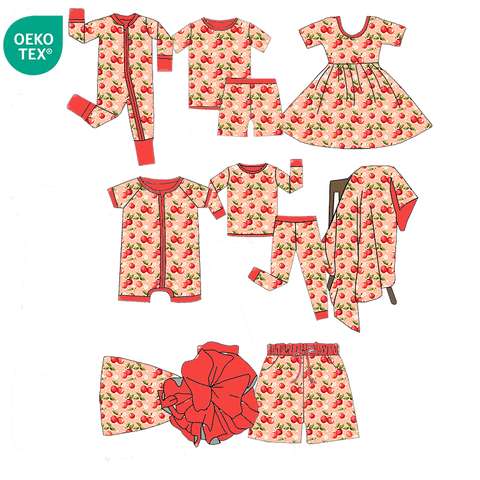
Understanding the Production of Bamboo Checkered Pajamas
The rising demand for sustainable and comfortable fabrics has brought bamboo textiles into the spotlight. Among these, bamboo checkered pajamas offer a perfect combination of design, function, and eco-conscious production. From the GSM (grams per square meter) affecting fabric density to the industrial machinery required for their manufacture, this article unpacks the technical and production aspects of these innovative garments for businesses looking to source or manufacture bamboo-based fabrics.
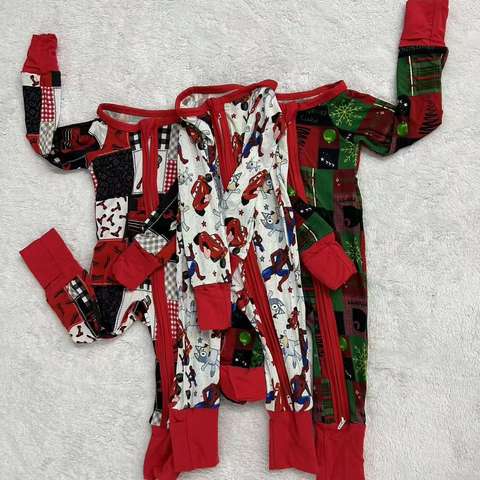
The Role of Bamboo in Textile Engineering
Bamboo fiber is a sustainable and renewable material that has gained traction for its soft texture, durability, and eco-friendly characteristics. In the textile industry, bamboo fibers are primarily extracted using mechanical or chemical processes. When used in checkered pajamas, bamboo inherently offers several advantages, such as natural moisture-wicking, thermal regulation, and antibacterial properties.
The checkered pattern, often created via weaving, enhances not just the aesthetics but also the technical requirements regarding stretchability, stability, and wear-resistance. These features are critical for ensuring the pajamas are long-lasting and remain functional even after multiple washes.
Fabric Density and GSM: Impact on Comfort and Durability
One of the key performance indicators for bamboo checkered pajamas is GSM or grams per square meter. This measurement is critical because it determines fabric density, which directly influences the comfort, flexibility, and durability of the pajamas. For consumers looking for an ideal blend of lightweight and cozy comfort, manufacturers must engineer bamboo fabrics with optimal GSM specifications.
- Common GSM Ranges: Bamboo fabrics for sleepwear typically range between 150 GSM and 250 GSM. A GSM of around 160-180 is lightweight and breathable, suitable for warmer climates, whereas a higher GSM of 200-250 ensures added warmth and structure.
- Balancing Comfort and Longevity: A GSM that is too low can make the checkered pajamas prone to tearing, while excessively high GSM may compromise breathability. Striking the ideal balance is critical, and this is where material testing and industrial machinery play important roles.
- Role of Checkered Patterns: Woven checkered designs can slightly increase fabric density due to their intricate structure. This must be considered when determining the ideal GSM for bamboo checkered pajamas, as denser, patterned areas might require adjustments in manufacturing parameters to avoid bulk or stiffness.
Industrial Machinery for Bamboo Textile Production
Manufacturing bamboo checkered pajamas is a multi-step process that involves specialized industrial machinery for each stage of production. Understanding the key machinery types and their roles can help manufacturers achieve higher efficiency, consistency, and product quality.
1. Fiber Extraction Machines
The production process begins with the extraction of bamboo fibers from the plant. For eco-friendly pajamas, mechanical extraction methods that use crushing rollers and combing machinery are preferred over chemical processing. These machines focus on retaining the organic properties of bamboo fibers, ensuring a more sustainable textile.
2. Weaving Looms for Checkered Patterns
The checkered design requires precision weaving, which is achieved using advanced jacquard or dobby weaving looms. These looms allow for intricate pattern creation by controlling individual warp and weft threads. The tension must be calibrated to prevent distortions in smaller checkered areas, ensuring uniformity throughout the fabric.
High-speed automatic weaving machines further improve productivity, enabling mass production without compromising on pattern consistency. Advanced looms are also equipped with computerized controls for detailed customization, crucial when manufacturing bespoke checkered designs for specific B2B buyers.
3. Dyeing and Printing Equipment
Checkered bamboo pajamas often require vivid and colorfast dyes to create appealing patterns. Reactive dyeing machines are most commonly used because they effectively bond with bamboo's natural cellulose fibers, ensuring brighter colors and wash resistance. For multicolored checks, digital printing machines can also be employed for added flexibility and customization.
In large-scale production, jet-dyeing machines or continuous dyeing ranges optimize efficiency by dyeing vast quantities of fabric or completed garments in shorter cycles, reducing downtime while meeting high production demands.
4. Cutting and Sewing Machinery
The final stage involves cutting the fabric into patterns and sewing the parts together to create finished bamboo checkered pajamas. Computerized cutting machines utilize CAD (Computer-Aided Design) input to minimize fabric wastage and improve precision. Automated sewing lines, often integrated with robotic systems, ensure efficient assembly and consistent stitching quality, crucial for checkered pajamas where pattern alignment is a priority.
Sustainability and Market Trends in Bamboo Checkered Pajamas
In addition to the technical aspects of production, sustainability has become a focal point in the bamboo textile sector. Businesses sourcing bamboo fabrics for checkered pajamas can harness several key benefits by embracing sustainable practices:
| Fabric Type | Pima Cotton |
| Compliance | ASTM F963 |
| Customization | Custom |
| Lead Time | 33 Days |
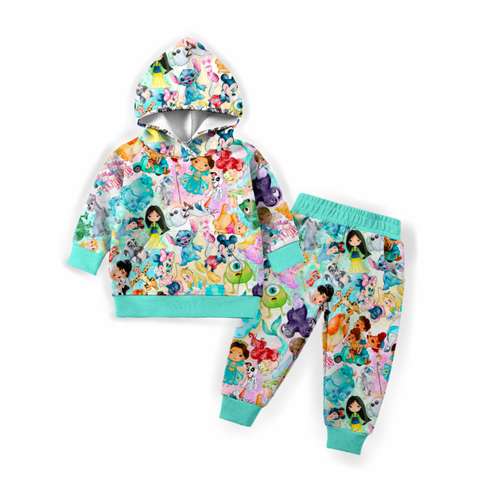
- Eco-Friendly Sourcing: Bamboo grows quickly and requires minimal water, making it an environmentally sustainable choice for fabric production.
- Reduction in Waste: Industrial machinery such as smart cutters and looms equipped with waste-reducing technologies ensure minimal resource wastage during production.
- Increasing Demand for Premium Products: Checkered bamboo pajamas fit well in the category of premium loungewear, offering both comfort and visual appeal to eco-conscious consumers.
From a market perspective, the rising popularity of bamboo textiles is further accelerated by consumer interest in ethical fashion. Businesses looking to partake in this growth can leverage advancements in industrial machinery and material engineering to produce high-quality products meeting modern standards.
Bamboo checkered pajamas symbolize the future of comfort and sustainability in textiles. By understanding the nuances of fabric density, GSM, and industrial machinery, businesses can consistently deliver high-quality products that meet the evolving demands of eco-conscious markets. The ability to utilize precise machinery, optimize production parameters, and stay aligned with sustainability goals will undoubtedly empower manufacturers and suppliers in securing competitive advantages in the B2B space.