Gots Organic Bamboo Viscose Pajamas Private Label Oem
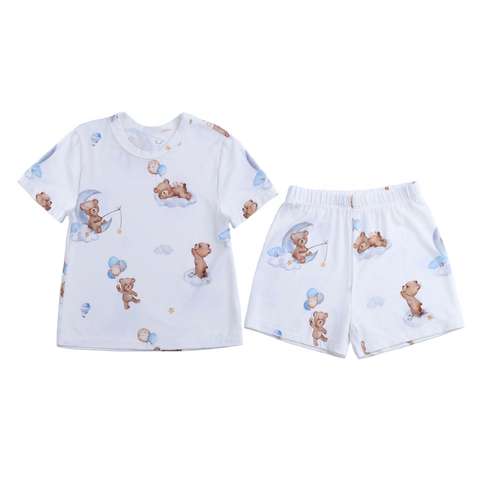
The Role of GSM, Fabric Density, and Industrial Machinery in Bamboo Viscose Pajamas
Bamboo viscose pajamas have become a preferred sustainable sleepwear option in recent years, combining comfort, breathability, and eco-friendliness. For businesses rooted in textile manufacturing, understanding the intersection of GSM (grams per square meter), fabric density, and industrial machinery during production is key to producing high-quality products, ensuring market competitiveness, and meeting consumer demands. This article delves into the technical aspects of these elements and how they play a critical role in the production of bamboo viscose pajamas.
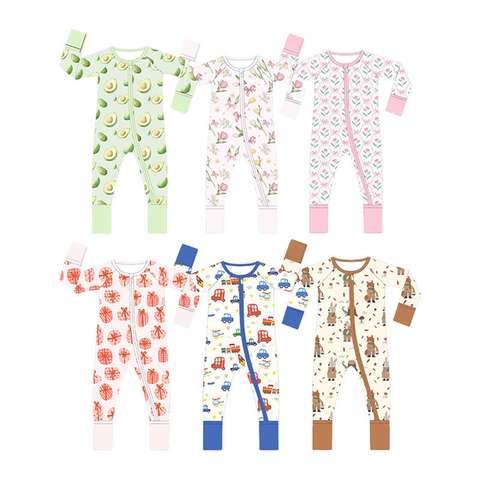
Understanding Bamboo Viscose: Properties and Benefits
Bamboo viscose is a semi-synthetic fiber derived from raw bamboo through a chemical process. Its soft texture, moisture-wicking properties, and durability make it ideal for pajamas. Additionally, bamboo is a highly sustainable crop, requiring minimal water and no pesticides, which contributes to its growing popularity in eco-conscious industries.
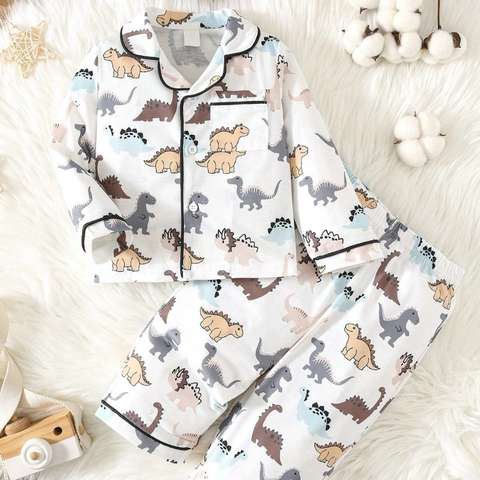
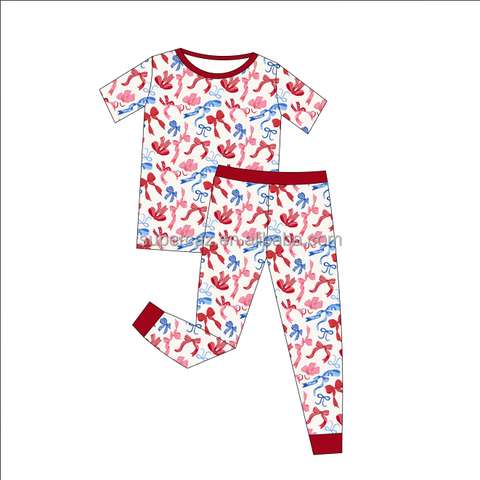
Engineers and manufacturers find bamboo viscose especially intriguing due to its ability to be woven into various fabric densities and GSM values, meeting different functional requirements. It provides versatility, allowing businesses to cater to diverse consumer preferences, whether it’s a lightweight summer pajama set or a denser winter option.
The Importance of GSM in Bamboo Viscose Pajamas
GSM (grams per square meter) is a measure of fabric weight and thickness. For bamboo viscose pajamas, GSM typically ranges between 150 and 250, making them lightweight yet durable. Understanding GSM is pivotal in the manufacturing process as it determines several important factors:
- Comfort: Lower GSM fabrics (150-180) are breathable and suited for warm climates, while higher GSM fabrics (200-250) provide warmth for cooler temperatures.
- Durability: A proper GSM balance ensures wear resistance without compromising pliability.
- Cost Efficiency: Optimizing fabric weight can lead to reduced material costs while maintaining quality, maximizing value for manufacturers and buyers alike.
Engineers specializing in textile production must carefully calibrate machines to maintain a consistent GSM, ensuring uniformity across the production line. Irregularities in GSM can result in inconsistent texture and weight, leading to product rejection and financial loss.
Fabric Density: Texture and Performance
Beyond GSM, the fabric density of bamboo viscose pajamas is another vital parameter. Fabric density refers to the number of threads or yarns compacted within a square inch of material. High-density fabrics are often heavier and less breathable, while low-density fabrics emphasize airflow and softness.
Bamboo viscose offers flexibility in achieving the desired density for different applications. For B2B buyers sourcing pajamas, specific density values affect:
- Tactile Sensation: Fabrics with moderate density create a balance between softness and structured drape.
- Pilling Resistance: Higher density fabrics are less prone to pilling, improving long-term performance.
- Sheerness: Low-density bamboo viscose fabrics cater to ultra-lightweight garments while reducing transparency for modesty.
Manufacturers must also consider the compatibility of bamboo viscose density with intended dyeing, finishing, and printing processes. The ability to reliably replicate the desired density across batches ensures production efficiency and product consistency on a large scale.
The Role of Industrial Machinery in Bamboo Viscose Pajama Production
Industrial machinery plays a central role in turning bamboo viscose threads into finished pajama products. The following machinery types facilitate different stages of the manufacturing process:
Spinning Machines: Preparing Bamboo Yarn
Spinning machines process bamboo viscose into filaments by drawing, twisting, and combining the fibers into yarn. For pajamas, semi-fine yarns are often used, offering a blend of softness and durability. Engineers can adjust parameters like twist count and strength to optimize the yarn for target fabric densities.
Weaving and Knitting Machines: Constructing the Fabric
Weaving and knitting machines transform yarn into fabric sheets. Knitting is particularly common for bamboo viscose pajamas due to its stretchability and superior breathability compared to woven fabrics. Circular knitting machines are often employed, as they allow for seamless garment production, reducing the need for excessive cutting and sewing.
| Fabric Type | Organic Bamboo |
| Compliance | OEKO-TEX 100 |
| Customization | OEM |
| Lead Time | 17 Days |
Using automation technologies like servo motors and programmable logic controllers (PLCs), manufacturers can maintain precise control over fabric properties such as GSM, tension, and elasticity, minimizing errors and material waste.
Dyeing and Finishing Machinery
The natural absorbency of bamboo viscose makes it ideal for vivid colors and prints, but this also presents challenges in pre-treatment and post-dyeing finishing. Continuous dyeing ranges and jet dyeing machines are commonly used for viscose treatments, providing uniform color application while preventing shrinkage or fiber weakening.
Heat-setting and calendaring machines are essential in creating the final texture and sheen of the fabric. These machines ensure that no residual stresses remain in the fabric, achieving the desired volumetric stability and enhancing the luxurious feel of the pajamas.
Cutting and Sewing Machines
Once the fabric is prepared, precision cutting systems such as laser cutting machines help shape individual pajama components. Automated sewing machines equipped with advanced pattern recognition and stitching technology streamline the assembly process. This level of automation is crucial for maintaining scalability while meeting stringent quality standards in bulk orders.
Automation and Industry 4.0: Enhancing Efficiency
The adoption of automation and Industry 4.0 principles is transforming the bamboo viscose pajama manufacturing process. Smart factories, powered by IoT sensors, machine learning algorithms, and real-time data analytics, allow manufacturers to optimize production lines while lowering costs and waste.
For example, GSM monitoring sensors can provide consistent data to maintain specified fabric weights, while predictive maintenance tools minimize machinery downtime. Additionally, implementing AI-driven demand forecasting allows companies to align production schedules with rapid market shifts, reducing inventory costs.
: An Integrated Approach to Quality
Bamboo viscose pajamas stand as a testament to the progress in sustainable and functional textiles. However, producing high-performance sleepwear depends heavily on an integrated understanding of GSM, fabric density, and the capabilities of modern industrial machinery. Engineering a product that excels in comfort, durability, and sustainability requires meticulous attention to these critical factors.
From adjusting GSM to achieving optimal fabric density and leveraging technological advancements in machinery, the role of engineers and manufacturers is pivotal in elevating the quality of bamboo viscose pajamas. Businesses looking to succeed in the competitive textile market must embrace these technological innovations and precision-based practices to stay ahead.
Whether entering the eco-friendly sleepwear market or refining your production techniques, prioritizing engineering precision and process optimization will pave the way for quality products, stronger customer satisfaction, and long-term growth opportunities.