Custom Knitted Baby Rompers One Piece Jumpsuit Gots Organic Manufacturer
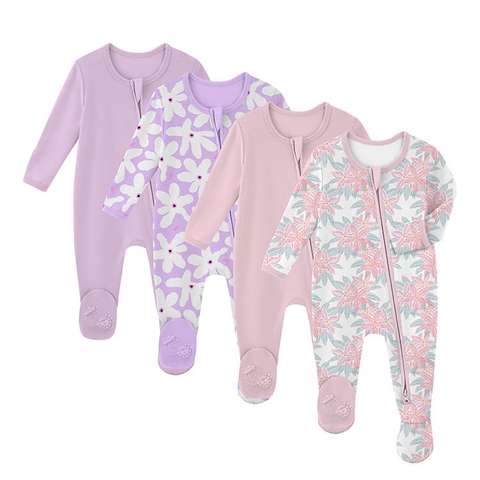
Knitted Baby Rompers One Piece Jumpsuit: A Technical Perspective for Manufacturers
The knitted baby romper one-piece jumpsuit represents a significant niche in the children's apparel industry. As a B2B manufacturer, optimizing the production and quality of these garments demands thorough understanding of factors like GSM (grams per square meter), fabric density, and seamless integration of industrial machinery. By balancing technical excellence and functional design, businesses can meet the growing demand for durable, soft, and safe babywear.
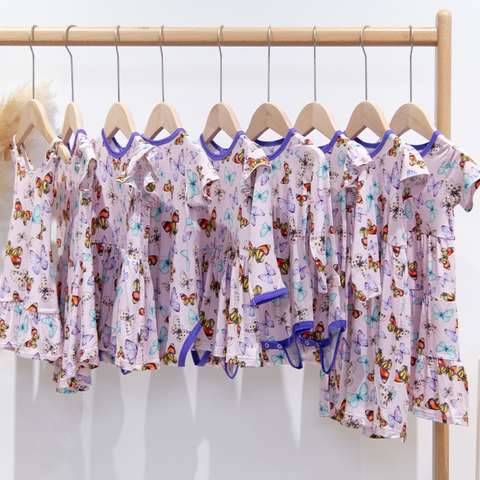
Understanding GSM in Knitted Baby Rompers
The term GSM, or grams per square meter, is critical in textile manufacturing. It refers to the weight of fabric per unit area, directly influencing the comfort, durability, and performance of knitted baby rompers. Manufacturers creating products for infants must strike a balance between lightweight comfort and adequate structural robustness.
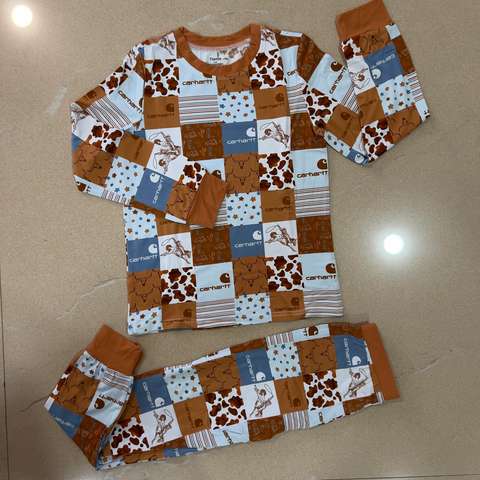
- Lightweight Options (120-180 GSM): Fabrics in this range ensure breathability and comfort, making them ideal for warmer climates and summer wear.
- Medium Weight Options (180-240 GSM): This range enhances durability and is suited for daily use, providing sufficient warmth without being overly heavy.
- High GSM (250+ GSM): Reserved primarily for colder climates or specialized designs, these fabrics provide more insulation and durability.
Proper GSM selection is crucial as it impacts not only the end-user experience but also production variables such as setting tension on knitting machines and post-production processes like dyeing and finishing.
Fabric Density: Creating the Perfect Knitted Structure
Fabric density, determined by the number of yarn loops or stitches per unit area, is another vital aspect of knitted baby rompers. It directly correlates with a garment’s elasticity, durability, and feel.
- Low-Density Knits: Ideal for increasing airflow and stretchability. They are lighter in weight but may lack necessary durability, making them better suited for occasional wear.
- Medium-Density Knits: These offer a balanced combination of breathability and durability, which is perfect for multipurpose baby rompers.
- High-Density Knits: These are highly durable and resistant to wear and tear. However, they require precision in manufacturing to maintain softness and minimize bulk.
The precise control of fabric density during knitting is imperative. Any inconsistency in spacing can lead to weak points, affecting the garment’s longevity and aesthetic appeal. Manufacturers must ensure that tolerances are well-maintained during the knitting process.
The Role of Industrial Knitting Machinery
Modern industrial knitting machinery is the lifeblood of efficient and scalable production for knitted baby rompers. Specialized machines equipped with advanced technology ensure uniformity in design, speed up production, and minimize wastage while maintaining product integrity.
Circular Knitting Machines for Baby Romper Fabric
Circular knitting machines are frequently utilized for manufacturing baby rompers because of their capability to produce seamless fabrics. Seamless garments are particularly favorable for infants, as they minimize potential skin irritation and enhance comfort. With adjustable cylinder diameters, knitting factories can create different sizes, from newborn to toddler.
Most modern machines come equipped with features such as automated tension control and defect detection systems, ensuring optimal fabric consistency. This is vital when dealing with fine yarns commonly used for baby rompers, such as combed cotton and modal blends.
Flatbed Knitting Machines for Complex Patterns
Flatbed knitting machines are ideal for creating intricate patterns and textures in baby rompers. Advanced computerized flatbed machines enable seamless insertion of jacquard patterns, ribbing details, and embossed designs. Such customization allows brands to differentiate their product lines without significantly increasing costs.
Energy Efficiency and Sustainability in Machinery
In the current industrial climate, it is essential to focus on sustainability. Many manufacturers are transitioning to energy-efficient knitting machinery, which uses less power while maintaining production throughput. , some machines now feature automatic yarn control, which reduces yarn wastage and contributes to eco-friendlier production processes.
Material Selection: Yarns and Fibers for Baby Rompers
The selection of yarns and fibers plays a pivotal role in developing baby rompers. Given that babies have delicate skin, the materials used must meet stringent safety and comfort standards while maintaining durability and ease of care.
- Combed Cotton: This material is soft, breathable, and hypoallergenic, making it a top choice for infant garments.
- Bamboo Blends: Bamboo-infused fibers offer natural antibacterial properties, moisture-wicking capabilities, and excellent softness, which are ideal for infant care.
- Modal and Tencel Blends: These fibers are eco-friendly and provide a silky, lightweight feel while remaining durable after multiple washes.
- Elastane Integration: Adding a small percentage of elastane to cotton or bamboo blends ensures stretchability and comfort, allowing for ease of movement.
Manufacturers must also consider the dyeing process, ensuring that only baby-friendly, non-toxic dyes are used to eliminate any risk of chemical irritation. Similarly, washing processes should be standardized to maintain fabric integrity and colorfastness.
Seamless Integration of Technology and Quality Control
High-quality knitted baby rompers require seamless coordination between fabric selection, knitting methods, and post-production processes. This integration is achievable through robust quality control systems and smart manufacturing technologies.
Defect Detection and Quality Management
Modern production lines employ defect detection systems that use AI and visual inspection technology. These systems automatically identify issues such as uneven stitches, holes, or yarn irregularities, ensuring that only flawless fabric proceeds to the cutting and assembly stages.
| Fabric Type | Organic Bamboo |
| Compliance | CPC Certified |
| Customization | Private Label |
| Lead Time | 39 Days |
Automation in Cutting and Stitching
Once the knitted fabric is produced, automated cutting and stitching technologies facilitate precision, speed, and consistency in baby romper manufacturing. This level of automation significantly reduces human error and minimizes turnaround time.
Integration with Supply Chain Systems
Digitized supply chain systems allow manufacturers to maintain seamless transparency and traceability during production. This is particularly critical in the babywear industry, where compliance with safety regulations and certifications is mandatory. Additionally, such systems enable efficient tracking of raw materials and finished goods, ensuring streamlined logistics and inventory management.
: Meeting the Demand for High-Quality Knitted Baby Rompers
The production of knitted baby rompers one-piece jumpsuits requires a harmonious balance of material expertise, machinery efficiency, and quality assurance. By focusing on GSM, fabric density, and leveraging state-of-the-art knitting technologies, manufacturers can achieve a premium product that is functional, durable, and comfortable. , integrating sustainable practices and advanced defect detection systems further improves the brand's market credibility and ensures consumer trust.
For B2B manufacturers, investing in the right technology and maintaining rigorous production standards will not only cater to the growing demand for baby rompers but also set a benchmark for quality and reliability in the competitive babywear industry. By staying ahead with innovation and efficient manufacturing practices, companies can capitalize on this lucrative market while ensuring customer satisfaction.