Custom New Fashionable Farm Print Cute Animals Wholesale Baby Clothes Solid Jersey Infant Zipper Pajama Infant Bamboo Baby Romper Gots Organic Vendor

Innovations in Wholesale Baby Clothing: The Role of GSM, Fabric Density, and Industrial Machinery
As the demand for high-quality, comfortable, and trendy baby clothing continues to rise, the textile industry is met with the challenge of innovating in terms of materials and manufacturing processes. Among the array of apparel options, 'farm print cute animals wholesale baby clothes' and 'infant bamboo baby romper' exemplify the pinnacle of combining sustainability with adorable aesthetics.
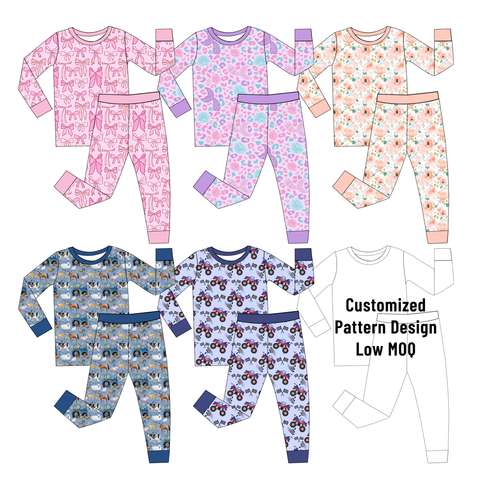
Understanding GSM and Fabric Density in Baby Clothes
GSM, or grams per square meter, is a critical metric that determines the weight and thickness of fabrics used in baby clothing. Essentially, a higher GSM means a heavier and potentially warmer fabric, while a lower GSM indicates a lighter material. For baby clothing, the balance is crucial as it needs to be breathable yet cozy, soft yet durable.
Fabric density complements the concept of GSM by indicating the number of threads per square inch of fabric. A higher thread count contributes to a softer fabric, which is important for sensitive infant skin. For example, solid jersey infant zipper pajamas typically hover around a GSM of 180-220, providing the ideal blend of softness and durability for year-round wear.
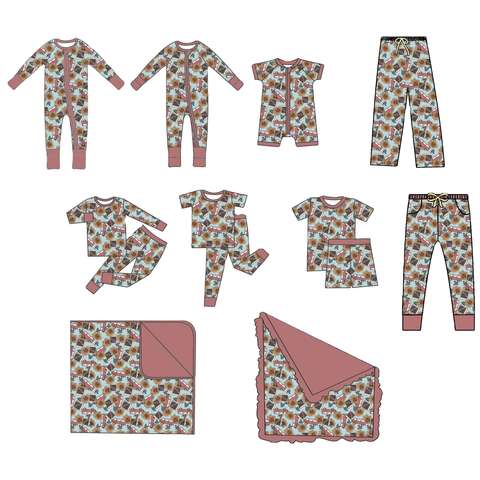
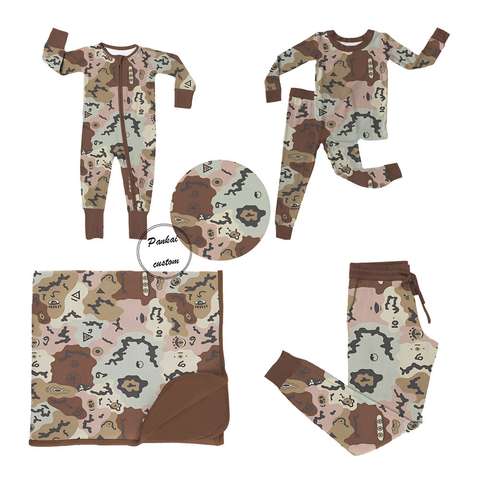
Material Innovation: The Role of Bamboo and Cotton Blends
Bamboo has emerged as a revolutionary fabric in the realm of baby clothing. Its sustainability factor aligns with the increasing environmental consciousness among consumers. Bamboo fibers offer excellent moisture absorption, UV protection, and anti-bacterial properties—traits that are highly sought after in rompers and pajamas. Combining bamboo with cotton or jersey not only enhances performance characteristics but also accommodates the versatile styling demands of modern baby wear.
The 'infant bamboo baby romper' becomes a textbook example of this innovation. These rompers often sport a GSM around 250-270, ensuring a plush yet breathable garment perfect for delicate skin. Additionally, bamboo's natural property of thermoregulation means that these garments can adapt well to both warmer and cooler climates.
Industrial Machinery and Its Impact on Production Efficiency
The manufacturing of intricate baby clothes such as those with farm print cute animals involves advanced industrial machinery. These machines are engineered to handle delicate fabrics, ensuring precise and accurate stitching while maintaining high throughput. Especially in the case of zippers used in pajamas, machines need to align and sew these components without damaging the surrounding soft fabric.
Modern textile machinery integrates Computer Numerical Control (CNC) systems, enabling unparalleled precision and flexibility. In the realm of baby clothing, programmable machines allow manufacturers to swiftly switch between different designs, such as farm prints versus solid colors. This level of versatility is pivotal for wholesalers catering to diverse market demands.
Automation and Quality Control in Textile Manufacturing
Automation has revolutionized quality control in textile manufacturing, especially for intricate items like infant rompers and pajamas. Automated inspection systems equipped with machine vision technology can detect defects such as loose threads, improper stitching, or pattern misalignment with remarkable accuracy. This advancement ensures that every single garment coming off an assembly line meets stringent quality standards, significantly reducing the rate of product returns for wholesalers.
, automation assists in optimizing raw material usage, reducing waste and cost. Machines calibrated to detect fabric density and GSM deviations enable real-time adjustments during the weaving and knitting processes, thus ensuring consistency across production batches.
| Fabric Type | Pima Cotton |
| Compliance | OEKO-TEX 100 |
| Customization | Tailor-made |
| Lead Time | 31 Days |
: Stepping into a New Era of Baby Clothing
The intersection of fabric science, sustainable materials, and cutting-edge industrial machinery marks a transformative era in the wholesale clothing industry for infants. By understanding and applying concepts such as GSM and fabric density, in conjunction with leveraging the benefits of automation and quality control, manufacturers are equipped to push the boundaries of what's possible in comfortable, fashion-forward, and eco-friendly baby apparel.
As consumer expectations continue to evolve, so too must the approaches adopted by the textile industry. Investing in innovation is not merely an option, but a necessity for staying competitive in this ever-changing market. The continued research and development in materials like bamboo, coupled with advancements in industrial machinery, will undoubtedly pave the way for the next generation of baby clothing that is as sustainable as it is chic.