Odm Family Bamboo Pajamas Wholesale Tailormade Vendor
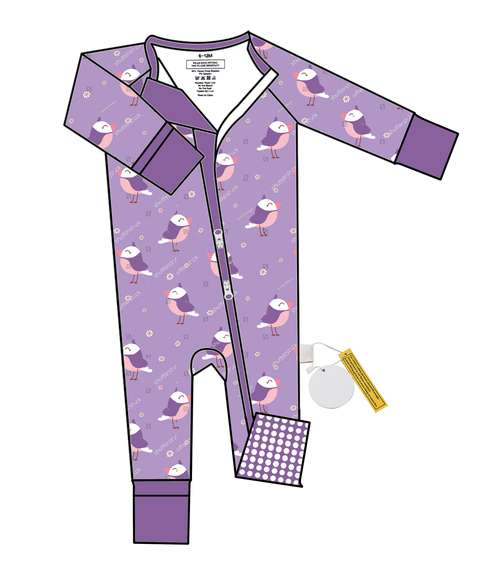
Family Bamboo Pajamas Wholesale: Optimizing Quality and Production
In the textile and apparel manufacturing sector, bamboo pajamas are gaining notable traction due to their sustainability, comfort, and durability. When producing bamboo pajamas for wholesale, businesses must focus on three critical factors: GSM (grams per square meter), fabric density, and the role of industrial machinery. These elements directly impact product quality, scalability, and production efficiency. This article provides a technical guide to help you navigate the intricacies of sourcing and producing high-quality family bamboo pajamas in the wholesale market.
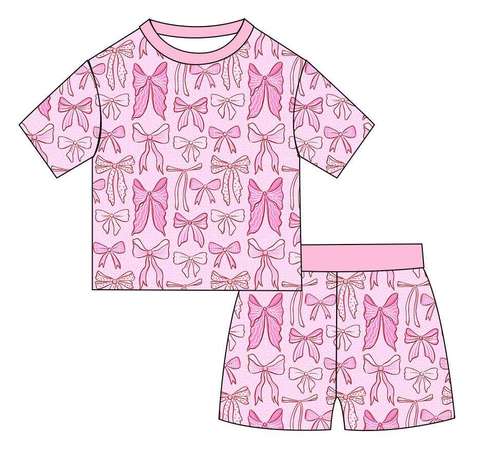
Why Bamboo Fabric is Ideal for Family Pajamas
Bamboo fabric is celebrated for its breathability, moisture-wicking properties, and softness, which make it a natural choice for pajamas designed for all age groups. Families value the hypoallergenic and antibacterial qualities of bamboo, especially for individuals with sensitive skin or allergies. Additionally, bamboo fabric is eco-friendly, as it is derived from fast-growing bamboo plants that require minimal water and pesticides to cultivate.
For wholesalers, understanding the technical specifics of bamboo fabric—such as its GSM and fabric density—is crucial to striking the perfect balance between quality and cost-efficient production. , investing in appropriate industrial machinery enhances productivity while maintaining the fabric’s structural integrity during manufacturing.
Understanding GSM and Its Impact on Bamboo Pajamas
GSM (grams per square meter) is a key metric in textile engineering that defines the weight of a fabric per square meter. For bamboo pajamas, GSM directly correlates to the fabric's thickness, durability, and suitability for different climates. Typically, bamboo fabrics used for pajamas range between 150 to 250 GSM, depending on the intended use case and target markets.
Lightweight Fabrics for Summer Pajamas
For summer-specific family pajamas, a GSM range of 150 to 180 is ideal. These lightweight fabrics allow for maximum breathability and comfort during warmer months. However, careful control is required during production, as lower GSM fabrics can be more prone to wear and tear during sewing or usage.
Medium-Weight Fabrics for All-Season Pajamas
All-season pajama designs benefit from a GSM range of 180 to 220. This range provides a balance of breathability and insulation, making the product versatile for year-round use. The added durability also enhances the product lifespan, which is a key selling point for family-oriented buyers concerned about long-term usage.
Heavyweight Fabrics for Winter Pajamas
For colder climates, bamboo pajamas in the 220 to 250 GSM range provide additional insulation and comfort. While heavier fabrics are more robust, they can also be more challenging to handle during production, requiring specialized industrial machinery to maintain precision and consistency.
The Role of Fabric Density in Pajama Quality
While GSM provides an indicator of fabric weight, fabric density emphasizes how closely the fibers are packed together. High fabric density ensures durability, minimizes pilling, and enhances the look and feel of the pajamas. When manufacturing family bamboo pajamas, achieving the right fabric density is crucial to align with end-user expectations and withstand repeated washing cycles.
Knitting and Weaving Techniques
Bamboo pajamas often utilize jersey knitting or interlock knitting techniques to optimize fabric density. Jersey knit fabrics are lightweight and ideal for summerwear, while interlock knits are thicker and suitable for cooler seasons. Industrial automated knitting machines play a vital role in maintaining consistency and precision in fabric density across batches.
Quality Control Measures in Fabric Density
Variations in fabric density can result in inconsistent product quality, leading to customer dissatisfaction. Automated spectrophotometers and thickness gauges can be employed to monitor fabric density during production. These tools ensure that the fabric adheres to predefined specifications for different pajama categories.
Blending for Strength
Combining bamboo with other fibers, such as spandex or organic cotton, can enhance fabric density without significantly increasing GSM. This not only improves the fabric's strength and elasticity but also allows wholesalers to offer products with unique properties tailored to specific market demands.
Industrial Machinery for High-Quality Bamboo Pajama Production
The use of efficient, advanced industrial machinery is a cornerstone of large-scale bamboo pajama manufacturing. Automation, precision, and material compatibility are essential factors to consider when selecting equipment for cutting, stitching, and finishing bamboo fabric-based sleepwear.
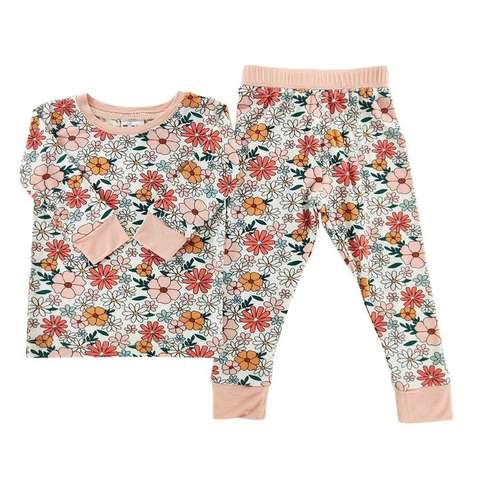
Cutting Machines
For mass production of family bamboo pajamas, automated cutting machines with laser-guided systems are recommended. These machines can handle bamboo fabrics delicately while ensuring minimal fabric wastage. Laser-guided systems also reduce the margin of errors, enabling precise cuts for complex pajama designs.
Sewing and Interlocking Machines
The elasticity and smooth texture of bamboo fabric make it challenging to sew using traditional machines. High-speed overlock or interlock sewing machines equipped with differential feed and needle cooling systems are ideal for handling bamboo material. These machines ensure the seams are strong and aligned while accommodating stretch and flexibility.
Finishing Machines
Finishing processes such as steaming, pressing, and folding are critical for a polished final product. Automated finishing machines designed for delicate fabrics ensure minimal damage to the bamboo material while enhancing its softness and sheen. , modern finishing systems with integrated quality-control sensors can detect flaws like uneven stitching or fabric tears before packaging.
Key Technical Considerations for Wholesale Bamboo Pajamas
Shrinkage Control
Bamboo fabric is susceptible to shrinkage during the first few wash cycles. Pre-shrinking processes, such as mechanically pre-washing or steam processing, help mitigate this issue. Wholesalers should verify whether their fabric suppliers include this step in their production processes to maintain consistent sizing.
Environmental Compliance
As sustainability becomes a major concern in modern manufacturing, it's essential for bamboo pajama producers to adhere to environmental guidelines and certifications. OEKO-TEX® Standard 100 and FSC® certifications are indicators of eco-friendly and responsibly sourced bamboo fabrics. Industrial machinery should also optimize resource use to minimize waste and energy consumption.
Scalability and Customization
The ability to meet large-scale production demands without sacrificing quality is a key differentiator in the competitive wholesale market. Industrial machinery with modular configurations allows manufacturers to scale production up or down based on order volumes. Additionally, digital textile printing technologies enable customization of patterns or designs for premium product lines, catering to niche customer segments.
For B2B wholesalers venturing into bamboo pajamas, a thorough understanding of GSM, fabric density, and industrial machinery is vital to producing high-quality sleepwear at scale. By optimizing these technical aspects, businesses can deliver premium, eco-friendly family pajamas that meet market demands while maintaining profitability. From precise GSM selection tailored to seasonal needs to investing in cutting-edge machinery for efficient production, each factor plays a crucial role in establishing a competitive edge in the wholesale market.
| Fabric Type | Pima Cotton |
| Compliance | GOTS Organic |
| Customization | Tailor-made |
| Lead Time | 35 Days |
As the demand for sustainable and comfortable sleepwear continues to grow, focusing on these technical parameters ensures long-term success in the booming bamboo pajama industry. Partnering with reliable fabric suppliers and investing in advanced machinery will pave the way for creating high-quality sleepwear that benefits both your business and your customers.