Gots Organic Animal Print Rompers Tailormade Vendor
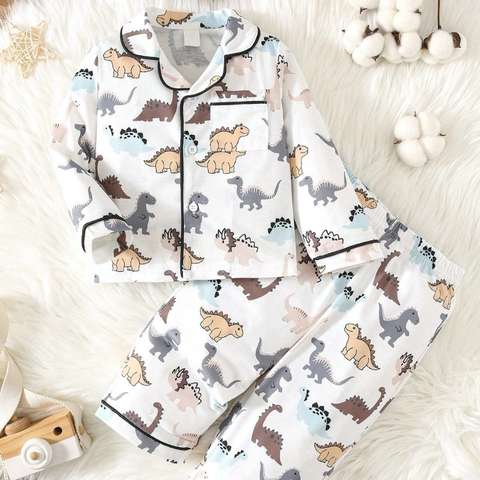
The Technical Perspective on Manufacturing Animal Print Rompers
Animal print rompers have become a staple in the apparel industry, offering consumers a blend of fashion-forward aesthetics and practicality. However, for manufacturers, producing these trending garments involves an intricate process of material selection, fabric engineering, and the deployment of industrial machinery. This article delves into the technical aspects of creating high-quality animal print rompers. It highlights the role of GSM (grams per square meter), fabric density, and the automation processes that bring these garments to life efficiently and reliably.

Understanding GSM and Its Importance in Animal Print Romper Production
GSM, or grams per square meter, is a key metric in textile manufacturing that dictates the weight and thickness of fabric. For animal print rompers — known for their comfort and versatility — balancing GSM is critical. A GSM range of 160-220 is typically ideal for these garments, as it ensures a lightweight yet durable fabric that meets both fashion and functional demands.
Higher GSM makes the fabric thicker, offering durability but can compromise breathability — a significant factor for rompers mostly worn in warmer seasons. Conversely, lower GSM results in a lightweight fabric but risks inadequate opacity, especially where bold patterns like animal prints are required to be displayed sharply. Manufacturers often partner with textile engineers to develop fabric swatches, testing varying GSM levels to achieve the perfect compromise between weight, comfort, and print visibility.
Advanced machines featuring tension control and GSM-measuring sensors are increasingly integrated into production lines. These are particularly useful in ensuring uniformity across fabric rolls, mitigating discrepancies that could lead to waste during cutting and sewing. Selecting machines optimized for GSM control translates to higher production efficiency and a better-finished product.
The Role of Fabric Density in Print Precision and Durability
Fabric density, closely tied to GSM, refers to the number of threads per inch (TPI) in both warp and weft directions. For animal print rompers, high-density fabrics are preferred as they maintain print integrity while withstanding wear and tear. Animal prints typically feature intricate patterns that demand precision during application, making fabric density a pivotal element in their production.
Low-density fabrics, though lighter and more breathable, run the risk of print distortion due to large gaps between threads. On the other hand, higher-density fabrics allow for crisper, well-defined prints. Manufacturers often opt for semi-poplin or other closely woven fabrics with a TPI range of 100 to 200 for rompers. These provide the perfect structure for bold designs to stand out while being comfortable enough for everyday wear.
Precise control over fabric density starts at the weaving stage. Modern weaving machines equipped with programmable logic controllers (PLC) ensure consistent thread insertion rates, improving output uniformity. This level of automation contributes significantly to scalability without compromising quality, which is critical for B2B operations handling large-scale orders.

Industrial Machinery for Large-Scale Production of Animal Print Rompers
The industrial production of animal print rompers is heavily reliant on efficient machinery. Each phase of the manufacturing cycle — from fabric printing to cutting and stitching — involves specialized equipment designed to maximize output while ensuring exceptional quality. Below, we explore the role of key machinery in this process.
Textile Printing Machines
Printing machines play a pivotal role in transferring vibrant and accurate animal prints onto fabric. Options such as rotary screen printing or digital fabric printing are widely used. Rotary screen printing offers high-speed production and is suited for bulk orders. However, it is best for designs with repeating patterns. Digital fabric printing, on the other hand, offers versatility, enabling manufacturers to execute custom orders with intricate details and minimal setup times.
Advances in dye sublimation printing have further enhanced the capability to produce animal prints with vivid colors and high resolution. This method allows for rock-solid adhesion between the inks and polyester-based fabrics, ensuring durable prints that resist fading or cracking.
Fabric Cutting Machines
Industrial fabric cutting machines are tailored to handle bulk fabric layers with precision. CNC fabric cutting solutions have revolutionized this space, offering automated pattern cutting with minimal manual intervention. Using CAD/CAM software, manufacturers can load the romper designs, reducing material wastage and ensuring that animal prints align perfectly across different garment components.
Automatic spreading machines complement the cutting process by aligning multiple fabric layers for uniform cuts. Equipped with edge alignment systems and variable tension controls, these machines further enhance fabric cutting accuracy and increase production speed.
Sewing and Stitching Equipment
The final form of an animal print romper is determined by its sewing quality. Advanced sewing machinery such as computerized overlock and flatlock machines enable consistent and durable seams. These machines can be programmed to handle varying stitch patterns, ensuring compatibility with the flexible yet durable fabrics often used in rompers.
, sewing machines integrated with automated fabric feeders and thread trimming features reduce manual labor, minimizing human error. This automation is crucial for achieving uniformity across large-scale batches. Double-needle lockstitch machines, specifically, have become a preferred choice for sewing fastenings and hems, delivering high-strength finishes designed to withstand extended use.
Quality Inspection Systems
Quality control is critical for maintaining brand reputation in B2B operations. Automated inspection solutions, such as vision systems, are employed to evaluate fabric consistency, print alignment, and seam quality. These systems detect defects early in the production process, allowing timely corrections and reducing waste.
Post-production quality assurance involves a final stage where random samples are pulled from batches for manual inspection. This ensures that animal prints are aligned, colors are accurate, and stitching meets specified standards before packaging and shipping. Manufacturers focusing on automation in quality control processes can enhance accuracy while scaling production.
Key Considerations for Sourcing and Collaboration
For B2B transactions involving animal print rompers, collaboration between fabric suppliers, machine manufacturers, and garment producers is essential. Fabric suppliers should provide consistent, verified data on GSM and density for every batch, enabling predictable production outcomes. Similarly, machinery manufacturers must offer scalable, modular equipment tailored to the specific needs of animal print apparel production.
With the growing emphasis on sustainable production, sourcing eco-friendly fabrics such as organic cotton or recycled polyester is gaining traction. Adopting waterless dyeing technologies and energy-efficient machines can further reduce the environmental footprint, aligning with sustainable business objectives.
Building strong supplier relationships and investing in modern machinery enable manufacturers to meet evolving buyer expectations. Businesses should also stay updated on trends in textile design and engineering to remain competitive in a market where innovation drives success.
| Fabric Type | Organic Bamboo |
| Compliance | GOTS Organic |
| Customization | Private Label |
| Lead Time | 36 Days |
The creation of high-quality animal print rompers is as much a scientific process as it is an artistic endeavor. From calculating GSM to ensure comfort and durability, to leveraging cutting-edge industrial machinery, manufacturers have numerous technical considerations to address. By focusing on precision, efficiency, and sustainability, businesses can carve a niche in this competitive market.
Whether you're a fabric supplier, a machinery provider, or a garment manufacturer, understanding these technical aspects is essential for productive partnerships and successful market outcomes. Investing in advanced technology and adhering to rigorous quality standards will not only improve operational efficiency but also enhance customer satisfaction in the dynamic world of fashion manufacturing.
This article is technical yet easy to follow, focusing on the B2B aspects of animal print romper manufacturing while being engaging to an audience of engineers, fabric suppliers, and industrial stakeholders.