Gots Organic Baby Bamboo Pajamas Shorts Cpc Certified Manufacturer
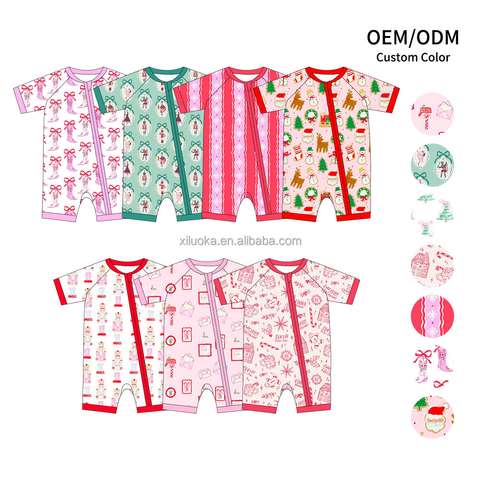
Understanding the Fabric Density and GSM of Baby Bamboo Pajama Shorts
Baby bamboo pajama shorts have gained immense popularity in recent years due to their softness, breathability, and eco-friendly nature. However, when catering to the demands of high-volume production in the B2B sector, understanding the fabric’s technical attributes such as GSM (grams per square meter) and fabric density becomes essential. These attributes directly impact comfort, durability, production efficiency, and cost considerations for manufacturers.
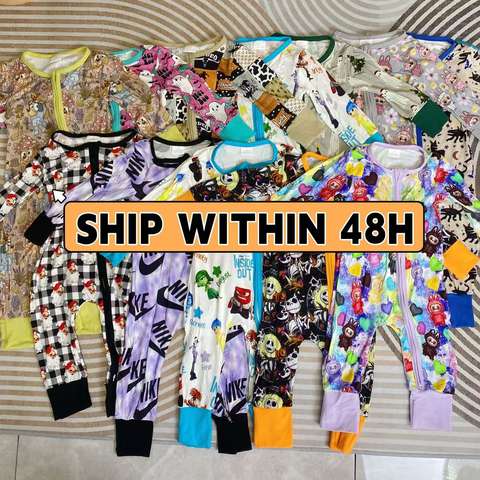
For businesses specializing in the creation or procurement of babywear, especially items like pajama shorts, selecting the appropriate fabric material and understanding industrial machinery specifications are crucial. Bamboo fabric specifications, coupled with the GSM and density measurements, directly influence the product's marketability in terms of softness, stretch, thermal regulation, and longevity.
What is GSM and Why is it Critical for Bamboo Fabric?
The GSM of a fabric is a measurement of its weight, calculated in grams per square meter. For baby bamboo pajama shorts, GSM is a vital factor because it influences the garment’s texture, breathability, and suitability for sensitive skin. Typically, fabrics used for babywear fall within a GSM range of 140–220.
For bamboo fabrics, a GSM of 160–200 is often considered ideal for baby pajama shorts. A lower GSM (e.g., 140–160) offers a lightweight, airy feel, which might be suitable for summer climates but could compromise longevity in high-use scenarios. Conversely, a heavier GSM (190–220) could provide added durability and comfort, but it may sacrifice breathability and feel slightly bulkier for infants, especially during warmer seasons.
The consistency in GSM is vital during industrial production, as an uneven GSM may lead to manufacturing inefficiencies and quality concerns. Ensuring tight control over GSM specifications involves precision in sourcing raw materials and standardized machinery calibration.
Fabric Density in Baby Bamboo Pajama Shorts
Fabric density refers to how tightly bamboo fibers are woven or knitted together. For garments like baby pajama shorts, bamboo fabric is typically manufactured using either a knit or woven technique. Most babywear leans towards knit fabrics, such as jersey or interlock, due to their inherent stretch and comfort. Baby bamboo pajamas often use single jersey or interlock knit structures, as these are softer and have excellent elasticity.
The density affects not only the fabric’s durability but also its surface properties, such as feel, warmth, and resistance to pilling. A high-density fabric resists wear and tear during washing, while low-density materials may fray or thin over time. Balancing the density is critical in babywear since overly dense fabric can compromise breathability, while fabrics with low density may not meet safety and durability benchmarks.
Industrial Machinery for Manufacturing Bamboo Pajama Shorts
The production of high-quality bamboo pajama shorts for babies requires specialized industrial knitting, cutting, and sewing machinery. Optimizing machinery setups ensures consistency, high throughput, and product quality, even for larger production volumes.
Knitting Machines
Bamboo fabrics are typically produced using circular knitting machines, which can create smooth single jersey or interlock knits ideal for baby pajama shorts. The gauge of the knitting machine, or the number of needles per inch, directly affects fabric density. For instance, a 28-gauge knitting machine produces a finer and smoother fabric when compared to a 24-gauge machine. For babywear, machines with higher gauge counts are generally preferred, ensuring a softer texture appropriate for sensitive skin.
In addition, electronic Jacquard Knitting Machines enable pattern customization for different designs, an added advantage for brands seeking personalized prints for pajama shorts.
Cutting Machines
Automation in fabric cutting is crucial when dealing with repetitive, high-production demands. Precision-cutting machinery such as Gerber or Lectra automated systems ensures consistency in fabric panel shapes and reduces waste during production. Such machines are equipped with advanced tools, such as rotary blades or laser cutters, ensuring edges are clean and ready for assembly.
For bamboo fabrics, ensuring tension control during cutting is essential, as bamboo cloth is naturally soft and can stretch. Proper tension calibration minimizes dimensional errors in pajama short patterns.
Sewing Machines
Once the fabric panels are cut, assembling the pajama shorts relies on industrial sewing machines specialized for stretch fabrics. Overlock (serger) sewing machines are commonly used for constructing side seams in pajama shorts, ensuring durability while accommodating stretch. Cover stitch machines are often used for the hem and waistband to deliver strong and elastic finishes.
To produce baby bamboo pajama shorts with flat seams, Flatlock Machines enhance comfort by reducing bulk and minimizing irritation against an infant’s sensitive skin. Investing in these specialized machines helps manufacturers meet the high-quality standards expected in the babywear market.
Benefits of Bamboo Fabric for Baby Pajama Shorts
Bamboo has long been celebrated for its unique properties that make it ideal for baby garments. Baby bamboo pajama shorts, in particular, offer a series of benefits that cater to both end-users and manufacturers.
Breathability and Thermal Regulation
Bamboo fabric naturally regulates temperature, making it ideal for pajama shorts worn by infants. These garments are breathable in hot climates and insulating in cooler weather, meeting the comfort needs of babies across seasons. Additionally, the micro-gaps in bamboo fibers enhance moisture-wicking properties, keeping babies dry and comfortable.
| Fabric Type | Pima Cotton |
| Compliance | CPC Certified |
| Customization | Bespoke |
| Lead Time | 15 Days |
Hypoallergenic Qualities
Bamboo fabrics are hypoallergenic, making them a perfect choice for babywear. They are gentle on sensitive skin, reducing the likelihood of allergic reactions or irritation. Manufacturers must ensure that any chemical treatments during the fabric finishing processes comply with safety standards, such as Oeko-Tex or GOTS certification, to retain these skin-friendly benefits.
Sustainability
From a B2B perspective, bamboo is a highly sustainable material. The bamboo plant grows rapidly without the need for pesticides or extensive water resources. This makes bamboo pajama shorts a highly marketable product for eco-conscious consumers. Manufacturers must focus on sustainably certified bamboo fabric sources to enhance brand credibility and comply with environmental regulations.
Market Considerations for Bamboo Pajama Shorts
The market for baby bamboo pajama shorts is competitive, and distinct technical and branding considerations can help B2B players capture a larger share.
Customization Options
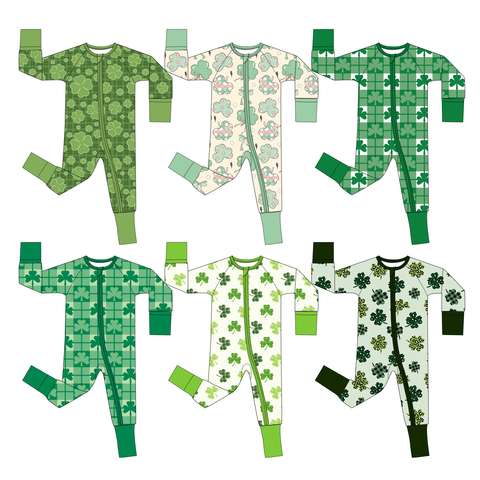
Modern consumers demand tailored options in terms of size, designs, and patterns. Industrial machinery such as flatbed printers for bamboo fabric enables on-demand and low-waste pattern customization. Partnering with a supplier capable of offering design flexibility can provide added value to retail clients.
Consistency in Quality
Maintaining consistency across full-scale production is a critical challenge for B2B manufacturers and suppliers. Fabric inconsistencies, stitching defects, or mismatched GSM values can lead to returns or a dent in brand reputation. Implementing quality assurance (QA) checkpoints, both during fabric production and garment assembly, is critical to mitigating these risks.
Cost Control
While bamboo offers several remarkable benefits, it can be more expensive to produce compared to conventional cotton or synthetic fabrics. When manufacturing bamboo pajama shorts, balancing cost-efficiency with product quality is key. Streamlining production efficiency using advanced machinery, combined with sourcing high-quality but cost-effective raw materials, allows manufacturers to offer competitive pricing while maintaining margins.

Baby bamboo pajama shorts provide an exceptional combination of comfort, sustainability, and hypoallergenic properties, making them a top choice for babywear manufacturers. By carefully analyzing fabric density, GSM, and the specifications of industrial machinery like knitting, cutting, and sewing machines, manufacturers can create premium-quality pajama shorts that appeal to eco-conscious parents and established brands alike.
Successful production hinges on the integration of technical expertise and innovation, ensuring consistency, scalability, and premium product delivery. For B2B stakeholders, aligning these technical factors with market demands ensures competitiveness and long-term success in a rapidly growing, sustainability-focused industry.