Cpc Certified Girl Romper Astm F963 Exporter
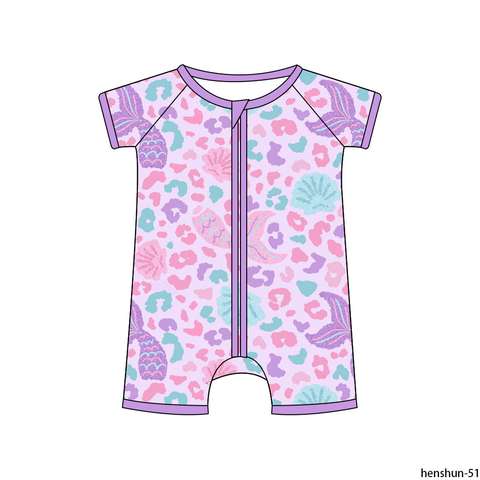
The Engineering Behind Girl Romper Manufacturing
Girl rompers, a quintessential garment in the children's clothing category, are deceptively complex in their engineering and production requirements. From selecting the right fabric density to optimizing GSM (grams per square meter) and employing efficient industrial machinery, manufacturers face numerous technical decisions that ultimately impact quality, durability, and scalability. In this article, we will explore these facets and how they collectively contribute to producing high-quality rompers for mass markets.
Understanding GSM and Its Role in Romper Quality
GSM, or grams per square meter, is a critical parameter in textile engineering that determines the weight of the fabric used. For rompers, particularly those designed for children, the GSM needs to carefully balance durability, comfort, and ease of wear. This is especially true in markets where rompers are expected to endure repetitive wash cycles while maintaining their structural integrity and visual appeal.
For girl rompers, an ideal GSM typically ranges between 150 and 200. Fabrics with lower GSM values may result in a lightweight product that is breathable and comfortable in warm climates, but they may lack the durability required for active children. Conversely, higher GSM values provide strength and longevity but risk making the garment too heavy or restrictive.
The selection of GSM not only affects durability but also defines the sewing process. Industrial machinery, such as overlock or flatlock sewing machines, must be calibrated to handle the specific weight of the fabric. Misaligned machine parameters can lead to seam puckering, skipped stitches, or even fabric tears, which compromise the final product’s quality.
Fabric Density: An Overlooked but Crucial Factor
While GSM is widely recognized in textile discussions, fabric density is equally significant. Fabric density refers to the number of yarns per square inch of woven or knitted material. For girl rompers, a higher density fabric often delivers better coverage, enhanced durability, and a smoother finish. These properties are essential for retaining the garment's shape, especially for toddler-sized products that undergo frequent wear and tear.
Engineering manufacturing processes to produce dense yet flexible fabrics requires careful selection of raw materials and loom settings. Cotton, for instance, is a popular choice for its softness and breathability. However, blending cotton with synthetic fibers such as polyester can offer added stretch and improve structural stability. For woven fabrics, tight warp and weft interlacing ensures a dense weave, whereas in knits, adjusting needle settings and yarn tension achieves a similar outcome.
Industrial machinery such as weaving looms, circular knitting machines, and dyeing equipment must be fine-tuned to ensure the fabric achieves the desired density without compromising production speed. This balance is critical in B2B operations, where scalability and consistency are paramount.
Industrial Sewing Machinery for Streamlined Production
Efficient romper production hinges on the performance of industrial sewing machinery. From cutting and stitching to finishing, the machinery dictates the speed, accuracy, and scalability of manufacturing operations. Below are some key types of machinery commonly used in romper production:
Sewing Machines for High-Precision Seams
Lockstitch machines, overlock machines, and flatlock machines are standard equipment in romper production. Lockstitch machines are primarily used for assembling the main body of the romper, providing strong and precise seams. Overlock machines are preferred for edging to prevent fraying, while flatlock machines are employed for achieving seamless constructions or aesthetic detailing, especially in romper styles that feature stretch fabrics.
Advanced industrial machinery equipped with programmable features can handle tasks such as automatic seam alignment and pattern adjustments, significantly reducing labor costs and production time. This automation ensures consistency in stitching quality, which is a critical factor for high-volume manufacturing.
Fabric Cutting and Spreading Machines
For scalable production of girl rompers, fabric cutting machines play an integral role. Laser cutting machines, in particular, offer precision and speed, enabling manufacturers to handle intricate designs or cut multiple layers in one operation. Spreading machines standardize fabric placement prior to cutting, ensuring uniformity and minimizing material wastage.
Automated fabric cutting and spreading machines are typically integrated with software systems that use CAD (Computer-Aided Design) technology. This allows manufacturers to design romper patterns digitally, simulate cut layouts, and optimize material utilization. These technological innovations translate to significant cost savings and reduced lead times for B2B operations.
Buttonhole and Snap Fastener Machines
Fastening systems, such as buttons, zippers, or snap fasteners, provide a functional and aesthetic finishing touch to girl rompers. Automated buttonhole machines and snap fastener machines drastically improve the precision and speed of these operations. For safety and convenience, snap fasteners are often preferred in children’s garments due to their easy open-close mechanism.
High-precision fastener machines utilize pneumatic or servo-driven technologies to place fasteners accurately without damaging the fabric. Whether it's metal snap fasteners or plastic alternatives, choosing the right combination of fasteners and fastening equipment is vital to producing functional and safe rompers.
Challenges and Solutions in Scaling Romper Production
Scaling production for B2B markets poses unique challenges that require strategic engineering solutions. Below are some of the common hurdles and ways to address them:
| Fabric Type | Organic Bamboo |
| Compliance | ASTM F963 |
| Customization | Private Label |
| Lead Time | 25 Days |
Material Waste and Cost Management
Fabric wastage during cutting and sewing is a major concern in large-scale production. Implementing automated layout optimization systems can reduce material waste by up to 20%. Similarly, re-engineering sewing processes to minimize thread consumption and material offcuts can help in cost-effective manufacturing.
Maintaining Quality in High-Volume Output
High-volume production can compromise quality due to machine fatigue or operator error. Introducing Quality Management Systems (QMS) that utilize AI-driven defect detection and machine monitoring can ensure consistent output. By identifying issues in real-time, manufacturers can take corrective measures before defects accumulate.
Customization Requirements
B2B clients often demand customized rompers featuring unique patterns, prints, or branding. For these requirements, digital textile printing and laser engraving technologies allow manufacturers to implement custom designs with minimal setup time. By integrating flexible production techniques, manufacturers can cater to B2B customization requests without disrupting regular workflows.
Concluding Thoughts: Manufacturing Excellence in Girl Romper Production
The production of girl rompers is a masterclass in the synergy between textile science, engineering, and industrial automation. From balancing GSM and fabric density to deploying advanced sewing and cutting machinery, every stage of production demands meticulous planning and execution. Manufacturers that can optimize these variables are well-positioned to meet the demands of a competitive and growing market.
For B2B suppliers looking to scale their operations or deliver consistent quality, investing in state-of-the-art machinery and adopting data-driven manufacturing practices is the key to success. By focusing on quality, scalability, and innovation, businesses can establish themselves as leaders in the production of children’s garments like girl rompers.