Gots Organic Baby Rompers Pajamas Odm Manufacturer
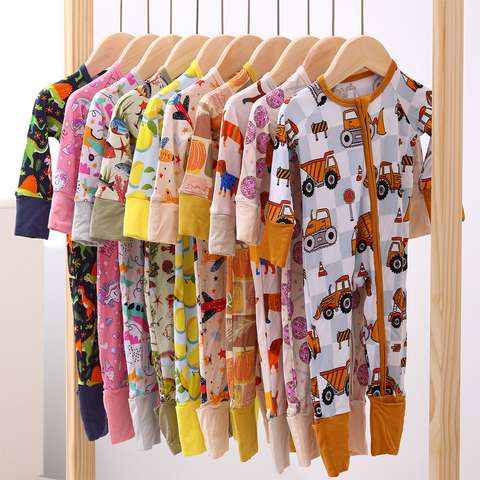
Technical Analysis of Baby Rompers Pajamas for B2B Buyers
In the baby apparel industry, where both comfort and durability are paramount, baby rompers pajamas hold a critical place. For B2B buyers, understanding the technical aspects of these garments, particularly GSM (grams per square meter), fabric density, and the machinery required for production, is essential. This article dives into the key considerations for manufacturers and buyers looking to produce or procure high-quality rompers and pajamas.
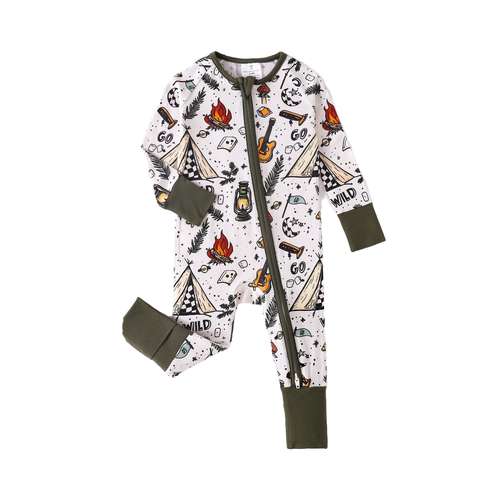
Understanding the Significance of GSM in Baby Garments
GSM, or grams per square meter, is a critical measurement for evaluating fabric weight and determining the suitability of a material for baby rompers pajamas. GSM directly influences aspects such as softness, breathability, durability, and the performance of the garment.
- Lightweight Fabrics (100-150 GSM): These are suitable for summer usage or warmer climates due to their breathability and softness. They are gentle on a baby’s sensitive skin but may lack the durability needed for frequent wear or washing.
- Medium Weight Fabrics (150-250 GSM): Often used for year-round rompers, these fabrics offer a balanced combination of comfort and durability. Fabrics within this range are versatile for different designs, including footed or footless pajamas.
- Heavyweight Fabrics (250+ GSM): These are ideal for colder climates or rompers intended for layering. They provide insulation but may require additional care to ensure they are not too heavy or restrictive.
An ideal GSM for baby rompers pajamas typically ranges between 150-220, depending on the target market and the climate of the intended user base.
The Role of Fabric Density in Comfort and Durability
Fabric density, often related to GSM, measures how tightly fibers are woven or knitted within a material. While GSM reflects fabric weight, density determines the feel, breathability, and strength of a garment. For baby rompers pajamas, choosing the right density is pivotal for ensuring both comfort and longevity.
Key Considerations for Fabric Density:
- Knit vs. Woven: Knit fabrics, such as interlock and jersey, are preferred for baby rompers as they provide stretch, making it easier to dress a baby. Woven fabrics, while durable, may not offer the same level of flexibility.
- Thread Count: Higher thread counts generally indicate denser, softer fabrics. However, excessively high thread counts can reduce breathability, which is a concern for baby wear.
- Fiber Composition: Organic and natural fibers (such as cotton or bamboo) tend to be more breathable and gentle on a baby’s skin compared to synthetic fibers. Blended materials (e.g., cotton-spandex) may be used to boost flexibility and durability.
Manufacturers should aim for an optimal density that provides softness and elasticity while maintaining sufficient durability for multiple washes.
Industrial Machinery for Baby Rompers Pajamas Production
The manufacturing of baby rompers pajamas calls for specialized industrial machinery to ensure consistency, efficiency, and excellence. Below, we explore the primary equipment involved in the production process.
1. Knitting Machines for Fabric Production
Modern circular knitting machines are often employed to create high-quality fabrics for baby rompers. These machines are capable of producing a variety of textures, including interlock and jersey knits, which are widely used for baby clothing.
- Gauge Count: A high gauge machine (e.g., 28-32 gauge) produces softer and finer knitted fabrics, which are ideal for baby rompers.
- Material Compatibility: The machine should support a range of fibers like cotton, bamboo, and cotton-blend yarns to cater to diverse business requirements.
2. Dyeing and Finishing Machines
The dyeing process holds significant value for baby garments, as it determines the aesthetics of the finished product while ensuring safety for infants. Soft, non-toxic dyes should be used, and dyeing machines should operate with precision to achieve uniformity.
- ECO Standards: Dyeing machines must adhere to OEKO-TEX or GOTS-certified processes to ensure the absence of harmful chemicals.
- Finishing Options: Integrated finishing mechanisms, such as brushing or compacting, can enhance the softness and dimensional stability of the fabric.
3. Cutting Machines
Automatic fabric cutting machines play a pivotal role in optimizing production timelines. The use of laser or computerized cutting systems ensures precision, minimizes fabric wastage, and maximizes the consistency of pattern pieces.
- Automation: CAD-based cutters reduce human error when producing intricate designs for rompers.
- Scalability: Multi-layer cutting machines enhance throughput, making them ideal for bulk production orders.
4. Sewing and Overlocking Machines
Sewing machines tailored for knitwear are indispensable in baby romper production. Overlock and flatlock stitching machines are critical for achieving a seamless look and enhanced garment durability.
- Overlock Stitching: Provides clean and reinforced edges to prevent fraying.
- Flatlock Stitching: Reduces bulkiness in seams, ensuring the comfort of the baby while lying down.
5. Quality Control Machinery
Before baby rompers hit the shelves, their safety and durability must be assessed. Textile testing machines ensure that garments meet industry standards for colorfastness, tensile strength, and other critical parameters.
| Fabric Type | Pima Cotton |
| Compliance | ASTM F963 |
| Customization | Custom |
| Lead Time | 33 Days |
- Colorfastness Testing: Measures the ability of fabric to retain dye after washing and exposure to saliva or sweat.
- Stretch Recovery Testing: Evaluates the elasticity of fabric, which is crucial for stretchy baby rompers.
Key Takeaways for B2B Buyers
The baby apparel industry is immensely competitive, and excelling in this space requires aligning product quality with end-user needs. B2B buyers must prioritize fabrics with appropriate GSM and density, sourced from suppliers employing advanced industrial machinery. Leveraging modern manufacturing technologies can ensure efficient production processes, minimize waste, and deliver consistent quality.
By understanding the technical intricacies of GSM, fabric density, and machinery, businesses can make informed decisions that enhance their competitiveness in the market and foster customer loyalty. In the end, the well-being and comfort of the infant form the core of this industry, and those objectives must guide every decision, from raw material selection to final inspections.