Gots Organic Bamboo Sleepwear Odm Oem
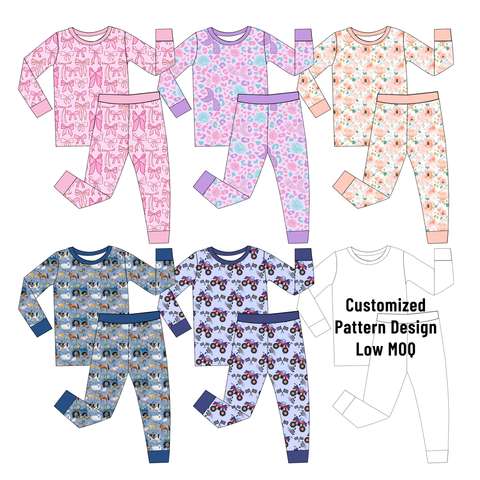
The Evolution of Bamboo Sleepwear in the Textile Industry
Bamboo sleepwear has rapidly gained popularity among businesses in the textile and apparel industry. Its sustainable sourcing, superior comfort, and adaptable properties offer a unique value. But what sets bamboo textiles apart is their engineering precision—driven by GSM (grams per square meter), fabric density optimization, and advanced machinery. Below, we dive into the technical intricacies that make bamboo sleepwear an industrial marvel.
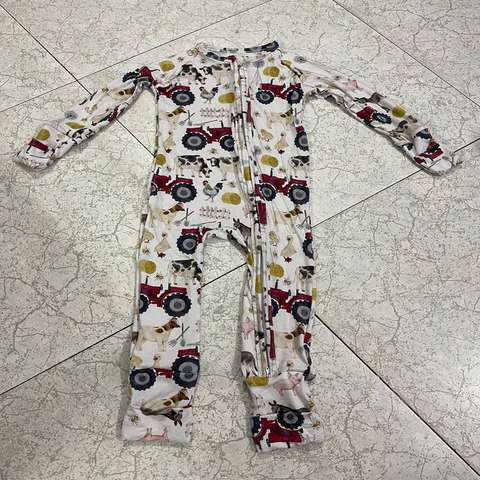
Understanding GSM in Bamboo Sleepwear
GSM: Grams per square meter is a crucial parameter in the textile industry. It quantifies fabric weight and thickness, directly influencing the performance and feel of bamboo-based fabrics. For bamboo sleepwear, GSM typically ranges between 150 and 250 depending on the sleepwear style and seasonality. Lightweight sleepwear, designed for summer, falls closer to the 150-180 GSM range, while heavier options for winter may reach up to 250 GSM.
The precise choice of GSM ensures that bamboo sleepwear provides optimal breathability and thermal regulation. For businesses, controlling GSM in manufacturing not only affects quality but also determines product positioning relative to comfort, durability, and customer budgets. Advances in GSM calibration have been made possible through industrial-grade precision machinery, which consistently delivers fabrics within tightly controlled tolerances.
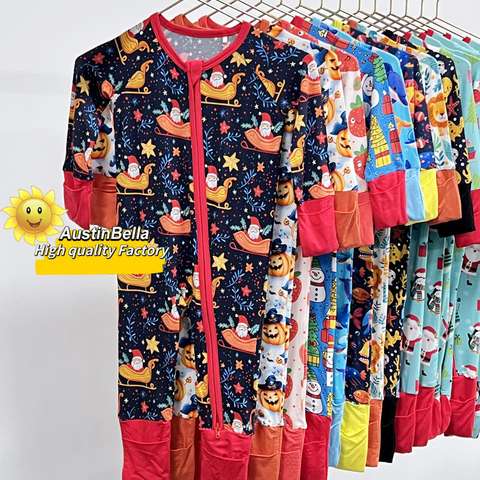
The Impact of Fabric Density on Bamboo Textiles
Fabric density goes hand-in-hand with GSM but focuses on thread count and yarn structure within the weave. Bamboo fabrics are engineered to enhance softness and durability through optimized density. The intersection of density and GSM ensures that bamboo sleepwear is soft, moisture-wicking, and drape-friendly without sacrificing tensile strength.
In sleepwear production, precisely engineered density enables a variety of stretch characteristics—whether for loose-fit pajamas or contoured nightwear. Industrial looms equipped with advanced monitoring systems maintain exact fabric density levels, ensuring consistency in commercial-scale production. By achieving an ideal balance between thread count and weave softness, bamboo sleepwear manufacturers can meet distinct client demands, from luxury-grade sleepwear to cost-effective lines for broader markets.
Key Advantages of Bamboo Fibers for Sleepwear
When translating raw bamboo pulp into finished fibers, advanced chemical processing and spinning techniques are employed. This transformation creates fibers with properties highly suited for sleepwear:
- Thermo-regulation: Bamboo fibers naturally adjust to body temperature, providing consistent comfort in varying climates.
- Moisture-wicking: The hydrophilic nature of bamboo fibers efficiently absorbs and evaporates perspiration, keeping wearers dry during sleep.
- Hypoallergenic properties: Thanks to its antibacterial qualities, bamboo sleepwear is ideal for sensitive skin.
- Eco-friendly essence: Bamboo requires minimal water and pesticide inputs during cultivation, aligning with global sustainability goals.
However, achieving these advantages at scale often requires complex industrial processes supported by state-of-the-art facilities. From GSM-based quality checks to automated dying techniques, bamboo fibers undergo rigorous treatment to deliver their full potential for sleepwear applications.
Industrial Machinery Driving Bamboo Sleepwear Production
The production of high-quality bamboo sleepwear is a technical feat backed by advanced machinery. Each step—from sourcing raw bamboo to tailoring finished products—involves sophisticated engineering in textile processing:
- Pulp Extraction Machines: Raw bamboo stalks are processed into cellulose pulp through controlled chemical or mechanical means. The precise breakdown of fibers ensures a refined starting point for textile applications.
- Fiber Spinners: After pulp extraction, spinning machines produce bamboo yarn using methods like dry-jet wet spinning. This ensures uniformity in fiber diameter and tensile strength.
- Loom Technology: Jacquard and rapier looms are particularly common in bamboo textile weaving. These looms provide better control over weave patterns, reducing errors and improving efficiency.
- Knitting and Circular Machines: Due to the growing demand for knit-based bamboo sleepwear, circular machines are employed to create softer, stretchable fabrics suitable for nightwear.
- GSM Monitors: Advanced GSM monitors analyze each production batch in real time, ensuring weight and density align with established specifications.
By integrating these machines into manufacturing workflows, businesses can realize a scalable production ecosystem while retaining premium product quality.
Business Benefits of Bamboo Sleepwear
From a B2B perspective, manufacturing or sourcing bamboo sleepwear yields numerous benefits:
- Scalability: Bamboo plants grow rapidly and regenerate efficiently, ensuring stability in raw material supply chains.
- Consumer alignment: With eco-consciousness on the rise, businesses can leverage bamboo sleepwear to tap into a growing market for sustainable products.
- Operational efficiency: The smooth processing of bamboo materials shortens lead times, improving turnaround for clothing lines.
- Brand differentiation: Offering bamboo sleepwear allows brands to position themselves as sustainable, innovative, and premium-focused.
For B2B textile companies, these advantages open the door to strategic growth, whether through direct manufacturing or partnerships with established bamboo sleepwear producers.
: The Future of Bamboo Sleepwear Lies in Precision and Innovation
Bamboo sleepwear represents more than just a sustainable alternative—it exemplifies the convergence of industrial precision and market adaptation. Through controlled GSM levels, optimal fabric density, and the use of cutting-edge machinery, businesses can produce high-performing, eco-friendly garments that meet the growing demand for comfort and style.
| Fabric Type | Pima Cotton |
| Compliance | CPC Certified |
| Customization | OEM |
| Lead Time | 15 Days |
As technology continues to evolve, the possibilities for bamboo textiles are only expanding. For businesses looking to invest in this growing market, focusing on technical expertise and innovation will be key to staying competitive in the years ahead.