Oekotex 100 Oem Children Bamboo Clothing Infant Print Baby Pajamas Newborn Soft Organic Baby Romper Bamboo Baby Pajamas Bespoke Vendor
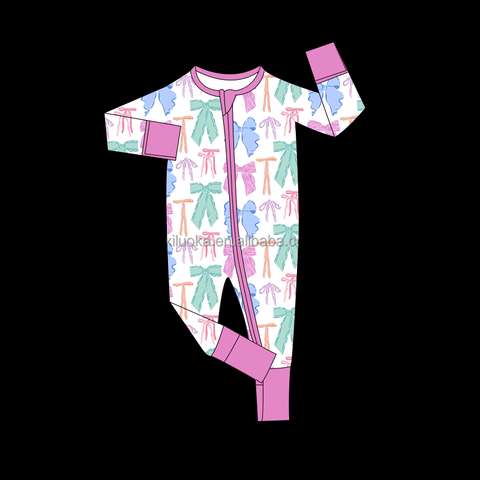
The Role of GSM and Fabric Density in OEM Bamboo Baby Pajamas
The demand for organic baby clothing, especially OEM children bamboo clothing and products such as baby rompers and pajamas, has seen a significant rise. Parents today prioritize softness, comfort, and environmental sustainability when choosing attire for their infants. Understanding the technical aspects like GSM (grams per square meter), fabric density, and the role of industrial machinery is essential for businesses looking to establish themselves as reliable manufacturers in this sector. Let’s dive deeper into these elements to explore how they come together to produce high-quality organic bamboo clothing for babies.
What Is GSM and Why Is It Crucial in Bamboo Clothing?
GSM, or grams per square meter, is a critical measurement in the textile industry that defines the weight of fabric per square meter. When it comes to bamboo clothing for babies, particularly rompers and pajamas, the GSM of the fabric is a significant factor in determining the comfort, durability, and quality of the garment.
For baby clothing, GSM typically ranges between 160 to 220. Bamboo fabrics with a GSM on the lower end are lightweight and breathable, ideal for warm climates, while those with higher GSM provide additional warmth and are perfect for cooler conditions. However, this must be balanced carefully. Overly light GSM may compromise durability, while excessively heavy GSM might reduce comfort, an important consideration given the sensitivity of an infant's skin.
Bamboo fabrics are prized for their unique ability to combine softness and flexibility with high durability at relatively lower GSM values. For baby rompers and pajamas, the ideal GSM usually hovers around 180-200 to ensure the perfect balance of comfort, durability, and wearability.
Fabric Density: A Key to Comfort and Durability
Fabric density refers to the number of threads or fibers packed into a specific area of fabric, often measured per square inch. It is a crucial characteristic in baby clothing, as it directly impacts the garment's durability, flexibility, and softness.
Bamboo fiber fabrics boast an exceptional density while maintaining a lightweight feel. Their natural composition enables them to offer a high degree of breathability and softness, which is vital for newborn and infant clothing. An ideal fabric density for bamboo baby rompers and pajamas would ensure the material is resistant to wear and tear despite frequent washes, while also being gentle on a baby's delicate skin.
OEM manufacturers must employ precision-controlled machinery to achieve consistent and uniform fabric density across the entire production run. A balanced density not only elevates the aesthetics but also guarantees performance over time, delivering value to both the end-user and the brand.
The Role of Industrial Machinery in Manufacturing Bamboo Baby Apparel
Producing high-quality bamboo baby clothing is a complex process that requires the integration of advanced industrial machinery at multiple stages. Here are the core steps and the essential equipment used:
1. Textile Processing Machines
Textile processing begins with bamboo fibers, which undergo treatment to become viscose or lyocell. Specialized machinery like carding and combing machines prepare the fibers, ensuring they are aligned and refined for textile production. The end result is yarn with even texture and consistent strength.
2. Knitting and Weaving Machines
Once the yarn is ready, circular knitting machines or weaving machines come into play to produce the fabric. Bamboo baby rompers and pajamas often use jersey knit or interlock fabrics, known for their softness and elasticity. High-speed knitting machines ensure precision in thread placement and create a consistent texture across the fabric roll.
3. Dyeing and Printing Machines
Fabric dyeing and printing are critical stages, especially for creating unique patterns on baby clothes. Eco-friendly, water-based dyes and reactive printing techniques are preferred for bamboo fabrics to maintain their hypoallergenic properties. Automated dyeing and rotary screen printing machines ensure color uniformity and efficient application of patterns, such as the playful designs often seen on infant wear.
4. Cutting and Sewing Machines
Precision cutting machines, often equipped with computer numerical control (CNC) technology, ensure the fabric is cut accurately based on the garment design layout. For assembly, automated and semi-automated sewing machines stitch the garment components together. The choice of stitch type (e.g., overlock or flatlock) is critical: flatlock stitching is particularly popular for baby clothing, as it creates smoother seams that minimize skin irritation.
5. Quality Control and Finishing Machines
Quality control is non-negotiable when producing baby garments. Machines equipped with fabric inspection capabilities detect flaws such as uneven stitching, loose threads, or inconsistent patterns. Finishing machinery then processes the garments to achieve a soft and smooth feel, using techniques like calendaring or softening treatments to elevate the sensory experience of the final product.
Why Bamboo Is Ideal for Baby Clothing: The Technical Advantages
Bamboo fabric offers a range of technical properties that make it an excellent choice for newborn clothing:
- Moisture-Wicking: Bamboo fibers naturally wick moisture away from the skin, keeping babies dry and comfortable.
- Breathability: The micro-gaps in bamboo fabric allow for superior airflow, reducing the risk of overheating.
- Antibacterial Properties: Bamboo contains a natural bio-agent called "bamboo kun," which resists bacteria and odors without the need for chemical additives.
- Hypoallergenic: Bamboo’s smooth and soft fibers are gentle on sensitive infant skin, reducing the risk of irritation.
- Eco-Friendliness: Bamboo is one of the fastest-growing, renewable resources, making it an environmentally sustainable material choice.
OEM Best Practices for Bamboo Baby Pajamas and Rompers
To successfully produce and supply bamboo baby pajamas and rompers under an OEM model, manufacturers must adhere to best practices in both material selection and production processes:

1. Material Sourcing
Work with trusted suppliers for high-quality bamboo fiber. Ensure the fibers meet certifications like OEKO-TEX or GOTS (Global Organic Textile Standard) to deliver safe and eco-friendly products.
| Fabric Type | Pima Cotton |
| Compliance | CPSIA Compliant |
| Customization | Tailor-made |
| Lead Time | 38 Days |
2. Machinery Automation
Investing in innovative industrial machinery can streamline production and improve quality consistency. Automation minimizes errors and increases efficiency, resulting in faster lead times without compromising on technical precision.
3. Quality Assurance Systems
Implement robust quality assurance systems at key production stages. This includes fabric inspection, stitch testing, and colorfastness checks to ensure the final product meets customer expectations.
4. Compliance with Standards
Ensure the garments comply with global safety regulations for children’s clothing, such as CPSIA in the U.S. This includes restrictions on harmful substances and standards for product labeling.
The production of OEM bamboo baby clothing, such as infant pajamas and rompers, is as much a science as it is an art. By understanding the importance of GSM, fabric density, and advanced industrial machinery, businesses can position themselves as leaders in the organic baby garment market. A detailed focus on material quality, precision manufacturing, and compliance ensures that these products meet industry and consumer expectations for comfort, safety, and sustainability.
For companies aiming to capitalize on the growing demand for eco-friendly baby clothing, leveraging this technical know-how is the key to delivering top-tier products that stand out in a competitive market.