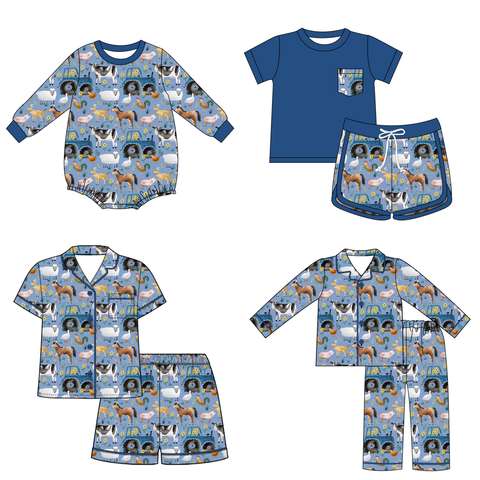
Gots Organic Bamboo Spandex Family Christmas Pajamas Okeo Tex Oem Factory
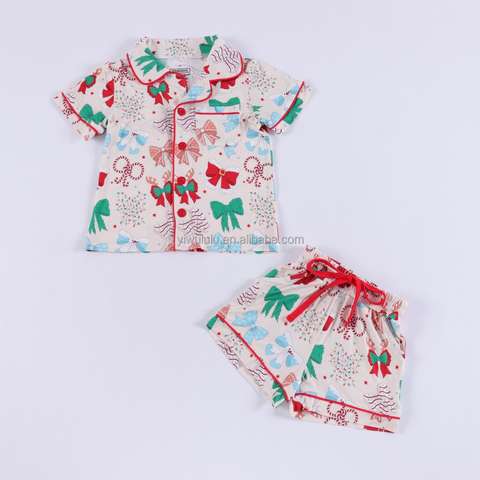
Bamboo/Spandex Family Christmas Pajamas: A Technical Perspective on Sustainability, Comfort, and Compliance
The global textile and apparel industry is witnessing a paradigm shift, driven by the need for sustainability, enhanced performance, and regulatory compliance. Amidst these changes, the growing trend of bamboo/spandex family Christmas pajamas has captured interest across B2B markets, particularly for manufacturers and retailers seeking high-quality, eco-friendly products. In this article, we delve into the technical aspects, focusing on GSM, fabric density, and the role of industrial machinery in producing pajamas that meet rigorous Oeko-Tex standards.
Understanding Bamboo and Spandex Blended Fabrics
Bamboo and spandex are two fibers that bring complementary advantages when blended together. Bamboo, known for its eco-friendliness and breathability, offers softness and natural moisture-wicking properties, making it ideal for family Christmas pajamas. Spandex, on the other hand, provides the garment with added stretch and flexibility, ensuring durability and comfort for wearers of all ages.
The proportion of bamboo to spandex in these fabrics is critical to achieving the desired performance. Common blends are 95% bamboo and 5% spandex or 92% bamboo and 8% spandex, depending on the stretch and durability requirements. Let’s explore the technical considerations that make bamboo/spandex the ideal fabric for pajamas.
The Importance of GSM and Fabric Density in Pajamas
In textile engineering, GSM (grams per square meter) is a primary measure to determine fabric weight and quality. For bamboo/spandex family pajamas, GSM plays a pivotal role in balancing softness, durability, and comfort. Fabrics with a GSM range of 180 to 250 are commonly used for pajamas, offering a lightweight yet warm feel, perfect for winter wear.
Why GSM Matters for Pajamas
- Comfort: A GSM between 180 and 200 ensures the garment feels light yet cozy against the skin, crucial for sleepwear.
- Durability: Denser fabrics with GSMs closer to 250 are more resilient to wear and tear, making them suitable for family pajamas that undergo frequent washing.
- Sustainability: Bamboo fibers naturally contribute to creating long-life textiles with reduced environmental impact, especially at an optimal GSM.
Fabric density, another key performance parameter, is equally significant. High-density fabrics with evenly distributed bamboo and spandex fibers ensure uniformity and improve wearer satisfaction. Consistent density also minimizes pilling, a common issue faced with lower-quality blends.
Industrial Machinery for Bamboo/Spandex Pajama Production
To achieve the finest quality bamboo/spandex pajamas, manufacturers rely on advanced industrial machinery that aligns with the requirements of modern textile production. From knitting machines to finishing equipment, each stage must be executed with precision.
Knitting Machines
Bamboo/spandex fabrics are typically produced using circular weft knitting machines. These high-speed machines are equipped to handle the stretchy nature of spandex while maintaining the smooth texture of bamboo fibers. Key considerations include:
- Gauge: Finer gauge machines (28–36 gauge) are used to create pajamas with a soft, smooth hand feel.
- Stay Consistency: Automated tension control systems ensure even fiber distribution, reducing defects and ensuring higher product quality.
Dyeing and Finishing Machinery
The blend of bamboo and spandex poses particular challenges in dyeing and finishing, as both fibers respond differently to heat, moisture, and dyes. Computerized jet-dyeing machines and low-liquor-ratio dyeing systems are preferred to enhance color vibrancy without compromising fabric integrity. Special attention is given to spandex’s thermal sensitivity to avoid permanent damage during high-temperature processes.
Post-dyeing treatments such as anti-pilling or silicone softeners are essential to match the luxurious feel of bamboo with the durability of spandex.
Sewing and Construction
Specialized stretch sewing machines, such as flatlock or overlock machines, are critical in constructing bamboo/spandex pajamas. These machines provide smooth, irritation-free seams that enhance the comfort and durability of the finished product.
Oeko-Tex Certification: Ensuring Compliance and Consumer Trust
Given today’s heightened focus on ethical and sustainable practices, the Oeko-Tex Standard 100 certification has become an essential benchmark in the textile industry. This independent certification ensures that the final product is free from harmful substances and safe for human use, particularly for sensitive skin.
Meeting Oeko-Tex Standards
To achieve this certification for bamboo/spandex pajamas, manufacturers must meet stringent requirements at every stage of the supply chain, including:
- Testing for harmful chemicals such as formaldehyde, heavy metals, and azo dyes.
- Implementing sustainable production practices, such as water recycling and minimizing chemical use during processing.
- Ensuring that spandex is sourced from responsible suppliers to align with the eco-friendly properties of bamboo.
Integration of Oeko-Tex in B2B Operations
For businesses, integrating Oeko-Tex into their operations provides a competitive edge. Retailers and distributors are increasingly prioritizing certified products, knowing that consumers demand high standards of safety and sustainability.
, Oeko-Tex certification simplifies the export process, as it is widely recognized across Europe, North America, and other regions that place strict regulations on textile imports.
| Fabric Type | Pima Cotton |
| Compliance | GOTS Organic |
| Customization | Private Label |
| Lead Time | 26 Days |
Challenges and Future Opportunities for Manufacturers
The production of bamboo/spandex family Christmas pajamas comes with its own set of challenges, including raw material sourcing, fabric blending, machinery costs, and ensuring compliance with global standards. However, technological advancements and a growing emphasis on sustainability present ample opportunities for textile manufacturers.
Automation and Smart Machinery
The integration of Industry 4.0 concepts into textile production is enabling greater precision and efficiency. IoT-enabled machines monitor parameters like tension, humidity, and temperature in real time, preventing defects and reducing downtime.
Innovations in Bamboo Fiber Processing
New enzymatic processes for bamboo fiber extraction are making this material even more competitive in terms of sustainability and performance, without relying on chemicals such as sodium hydroxide. These innovations will further improve the eco-friendliness of bamboo/spandex pajamas.
Market Forecast
With the increasing demand for premium, sustainable sleepwear, the bamboo/spandex pajama market is set for robust growth. B2B buyers are advised to stay ahead of trends by investing in efficient production technologies and adhering to global standards like Oeko-Tex certifications.
Bamboo/spandex family Christmas pajamas represent the perfect blend of comfort, sustainability, and compliance. As a manufacturer or retailer in the textile industry, understanding key parameters like GSM, fabric density, and Oeko-Tex certification requirements can help position your products as superior options in the competitive market. Industrial machinery that ensures precision, efficiency, and sustainability will continue to play a pivotal role in shaping the future of this product category.
By prioritizing innovation, sustainability, and compliance, businesses can leverage the growing popularity of bamboo/spandex pajamas to meet consumer demands while making meaningful strides toward a more sustainable textile landscape.