Gots Organic Baby Clothes Boyclothesbamboo Baby Pajamas Cpc Certified Wholesale
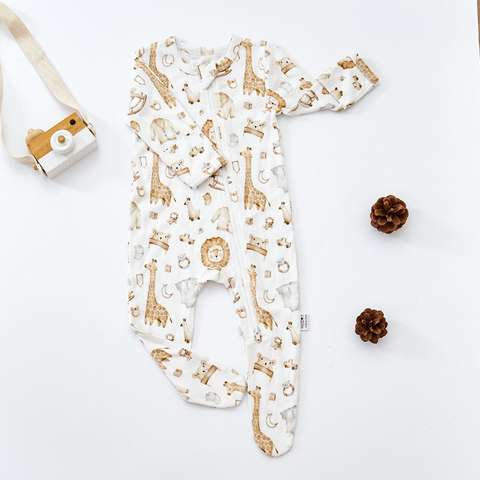
Bamboo Baby Clothes: Revolutionizing Fabrics with GSM Standards and Advanced Machinery
Baby clothes, especially items like bamboo baby pajamas, require meticulous attention to detail when it comes to fabric selection, GSM (Grams per Square Meter), fabric density, and manufacturing processes. For businesses involved in the production of baby garments, investing in the right industrial machinery and optimizing fabric specifications can lead to higher quality and customer satisfaction. This article delves into the key factors engineering professionals must consider when working with bamboo baby clothes, with a particular focus on boys' bamboo baby pajamas.
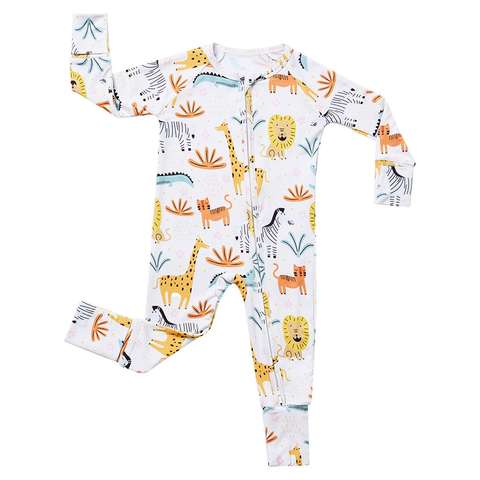
Understanding GSM and Why It Matters for Bamboo Baby Clothes
GSM (Grams per Square Meter) is a critical parameter in textile manufacturing. It determines the weight of the fabric and directly correlates to its quality, softness, and durability — key considerations in baby clothes, where comfort and skin-friendliness are top priorities.
- Lightweight GSM (120-150): Suitable for ultra-soft summer baby pajamas. These fabrics provide breathability but may compromise durability.
- Mid-weight GSM (160-200): Ideal for year-round bamboo baby pajamas. They balance softness, durability, and thermal insulation.
- Heavyweight GSM (200 and above): Best for cold weather or heavier-duty pajamas, providing extra warmth and sturdiness.
For bamboo fabrics, manufacturers often aim for a GSM of 160-200, a perfect range to ensure that the fabric is soft enough for a baby's sensitive skin yet robust enough to last through multiple washes. Advanced industrial machinery, such as GSM meters, ensures that the intended fabric weight remains consistent throughout the production process.
The Role of Fabric Density in Comfort and Performance
Closely related to GSM, fabric density is the number of fibers woven or knitted into the fabric per unit area. A higher density produces a smoother and more luxurious finish, while a lower density improves breathability.
Bamboo's Unique Fiber Construction
Bamboo is a cellulose-based fiber known for its natural moisture-wicking, antibacterial, and hypoallergenic properties. These qualities set bamboo apart from synthetic fabrics commonly used for baby clothes. The molecular structure of bamboo creates micro-gaps, which enhance air permeability, making it perfect for regulating a baby's body temperature.
Optimization of Density for Baby Pajamas
To fully utilize bamboo fiber's natural properties, manufacturers must fine-tune the fabric density according to its intended use. For boys' bamboo baby pajamas, a balance must be achieved between comfort, durability, and stretch. A typical range for optimal density is around 160-180 threads (woven fabrics) or loops per inch (knits). Advanced knitting or weaving machinery programmed to achieve this precision is an invaluable asset in modern textile facilities.
State-of-the-Art Industrial Machinery for Bamboo Garment Manufacturing
Producing high-quality bamboo baby pajamas demands a sophisticated suite of industrial machinery capable of maintaining consistent fabric characteristics and reducing defects. Below are some of the standout machines used in this process:
Knitting and Weaving Machines
Bamboo fabric production often starts with knitting or weaving. Circular knitting machines are popular for producing stretchy, soft fabrics typically used in bamboo garments. These machines excel in maintaining fabric elasticity and uniform thickness. For woven fabrics, air-jet or rapier looms allow exceptional precision in thread placement, producing smoother fabrics for baby pajamas.
Fabric Inspection Machines
Consistent quality in bamboo fabrics is ensured through advanced fabric inspection machines. These systems use high-resolution cameras and sensors to detect faults such as irregular textile density, GSM inconsistencies, or thread breaks. Automation in this segment minimizes defects and ensures customer satisfaction.
Dyeing and Finishing Equipment
Bamboo fibers are notoriously absorbent, making them ideal for vibrant, natural dyes. Industrial dyeing machines must provide uniform color application while maintaining the structural integrity of bamboo fibers. After dyeing, finishing machines apply treatments such as softening agents, ensuring the final product retains its luxurious touch.
Bamboo Baby Pajamas and Sustainability in Manufacturing
One of the most significant advantages of bamboo fabric is its eco-friendly nature. However, maintaining sustainability throughout the manufacturing process requires a cohesive engineering approach. Below are some strategies aimed at creating high-quality bamboo baby clothes while keeping sustainability in mind:
Energy-Efficient Machinery
Modern textile factories often incorporate energy-efficient, electrically driven machinery. By optimizing processes such as spinning, dyeing, and finishing, energy consumption can be reduced by up to 40%, significantly cutting manufacturing costs and carbon footprints.
| Fabric Type | Organic Bamboo |
| Compliance | GOTS Organic |
| Customization | OEM |
| Lead Time | 25 Days |
Zero-Waste Cutting Systems
To minimize fabric waste, smart cutting machines powered by computer-aided design (CAD) are employed. This technology ensures maximum fabric utilization, particularly when designing intricate patterns for boys' bamboo baby pajamas.
Water Recycling Systems
Given the water-intensive nature of bamboo fabric production, factories are increasingly adopting closed-loop water recycling systems. This not only conserves water but reduces the burden on local resources, making it an eco-conscious choice for baby garment manufacturers.
Quality Control and Testing in Bamboo Baby Pajama Production
To ensure that bamboo baby pajamas meet stringent safety and comfort standards, manufacturers must subject their products to rigorous testing:
Physical and Chemical Testing
Fabric samples are tested for shrinkage, tensile strength, and pilling. Additional chemical tests verify that dyes and finishing agents used in bamboo pajamas are non-toxic and hypoallergenic, providing peace of mind to parents purchasing these garments.
GSM and Thickness Tests
Modern GSM testers play a crucial role in maintaining uniformity across fabric lots. Thickness gauges measure the physical parameters of the fabric, ensuring that it adheres to the specified design criteria for softness and durability.
Wear and Wash Durability Assessments
Since baby clothes endure frequent washing, bamboo baby pajamas must pass wash-cycle durability testing. Labs simulate washing and drying conditions to evaluate how well the pajamas retain their softness and shape over time.
: Engineering the Perfect Bamboo Baby Pajamas
When producing boys' bamboo baby pajamas, businesses must consider a spectrum of factors, from fabric GSM and density to machinery efficiency and sustainability. Engineering expertise is the backbone of this process, ensuring that each garment meets high standards of quality, comfort, and eco-friendliness.
By leveraging advanced industrial machinery, designing with sustainability in mind, and adhering to strict quality control protocols, manufacturers can stay competitive in the increasingly eco-conscious and comfort-focused baby apparel market. The end result? A product that delights both parents and the little ones who wear them.