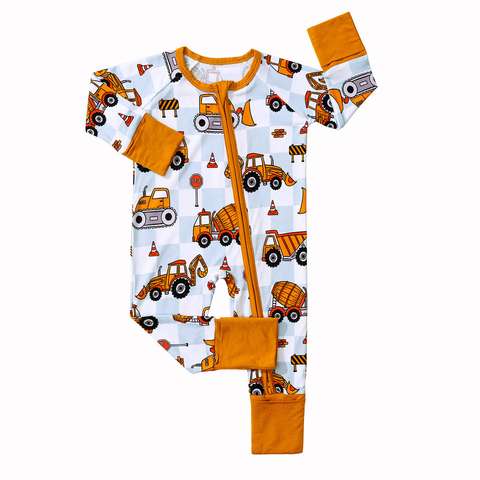
Gots Organic Kidsbamboopajamas Bespoke Vendor
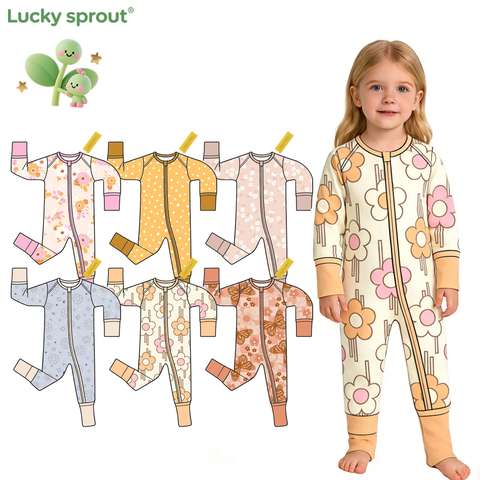
The Science Behind Kids' Bamboo Pajamas Manufacturing
The market for kids’ bamboo pajamas has grown exponentially in recent years, not only due to their sustainability but also because they meet critical requirements for comfort, durability, and safety. Behind these seemingly simple apparel items is a complex engineering process involving fabric density measurements, precise machinery, and an understanding of GSM (grams per square meter) fabric specifications. This article explores the technical backbone of kids’ bamboo pajamas manufacturing from a B2B perspective, blending industrial insights with fabric science to highlight why they’re so popular among family-oriented brands and manufacturers.
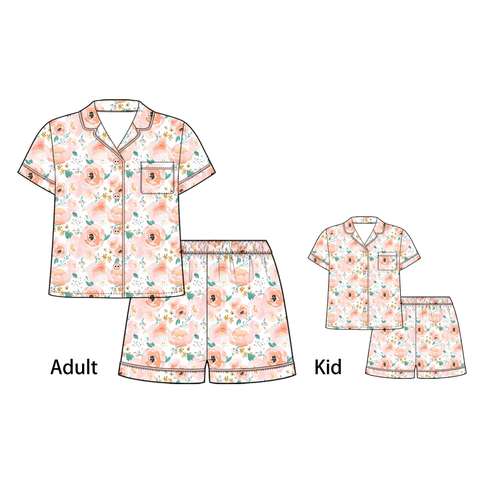
What Makes Bamboo Fabrics Unique for Kids' Pajamas?
Bamboo has emerged as a powerhouse raw material in textile manufacturing. Its natural antimicrobial properties, moisture-wicking capability, and silky texture make it ideal for children’s sleepwear. The softness is achieved by engineering the fibers to a specific microstructure that ensures airflow, breathability, and high tensile strength.
The physical attributes of bamboo textiles depend on precise processing, from converting raw bamboo pulp into fibers to setting the correct fabric density. Bamboo is favored also because it’s hypoallergenic, biodegradable, and requires less water to grow than conventional cotton, aligning with environmental goals pursued by B2B stakeholders in the textile industry.
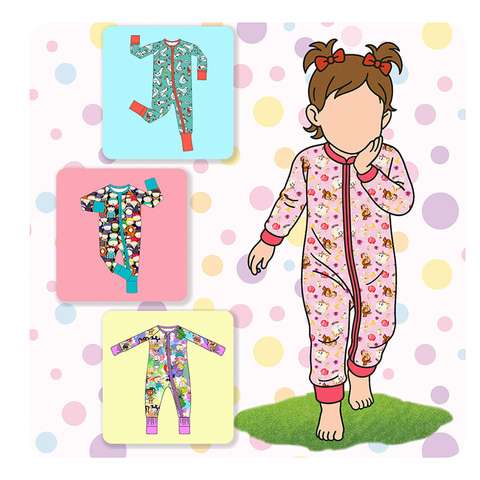
The Importance of GSM in Bamboo Pajamas Fabric
Grams per square meter (GSM) is a critical engineering parameter in fabric manufacturing. It measures the fabric’s weight and density, which directly affects the performance, feel, and durability of kids' bamboo pajamas. For children, GSM needs to strike a balance between durability and comfort.
- Lightweight Pajamas (150-200 GSM): These are optimal for warmer climates as they allow airflow and wick moisture effectively. They are often favored by manufacturers for regions with high heat and humidity.
- Medium GSM Pajamas (200-250 GSM): These are suitable for all seasons, providing better insulation while maintaining breathability and flexibility. Medium GSMs are commonly selected for general-purpose kids’ bamboo sleepwear.
- Heavyweight Pajamas (250+ GSM): These are designed for colder climates. While heavier bamboo fabrics could compromise breathability, modern machinery ensures thermoregulation through advanced knitting techniques.
In industrial production, adjusting GSM is a meticulous process that relies on the interplay between yarn thickness, knitting density, and post-processing techniques like combing and calendaring. It’s essential for manufacturers to define GSM standards aligned with their target markets, ensuring their products meet both safety and functional demands.
Fabric Density and Structure in Kids' Bamboo Pajamas
Fabric density is another crucial element tied closely to GSM. While GSM measures the weight of the fabric, fabric density refers to the number of yarns per square inch in warp and weft directions. The density impacts the fabric's strength, stretchability, and softness, and it cannot be overlooked in children’s pajamas, where comfort is key.
Bamboo fabrics are often designed with advanced knitting machines, which allow manipulation of yarn interlacements to create either a jersey or interlock structure:
- Jersey Knit: This is a single-knit fabric thinner and stretchier. Its light density and flexibility make it suitable for summer pajamas but may require additional strength-reinforcing treatments.
- Interlock Knit: This is a double-knit fabric with higher density. It’s often chosen for premium designs as it provides better shape retention, durability, and thermal-insulating properties.
The choice of fabric density is dictated by the application, with manufacturers utilizing measuring systems to inspect and verify thread per inch (TPI) during production. Fabric deformation tests are commonly carried out using specialized industrial machinery, ensuring the material adheres to engineering specifications and quality standards.
Role of Industrial Machinery in Bamboo Textile Manufacturing
The intricacies of making kids’ bamboo pajamas require advanced machinery. The production process typically involves the following stages:
Step 1: Fiber Extraction
Using a combination of chemical and mechanical treatments, raw bamboo is broken down into a cellulose pulp. Advanced rotary equipment chemically treats the pulp while optimizing fiber length and consistency, ensuring process efficiency and sustainability.
Step 2: Yarn Spinning
Textile spinning machines, such as ring spinning frames, facilitate the transformation of bamboo cellulose fibers into durable yarns. These machines are precise, offering customizable parameters like twist per inch and yarn count, both of which influence the final fabric texture and performance.
Step 3: Knitting or Weaving
Warp and circular knitting machines are integral to producing bamboo fabrics. These machines are capable of intricate patterns, adjusting thread density and tension seamlessly. With the help of automated programming, manufacturers can ensure that the material meets desired thickness, stretch recovery, and durability thresholds.
Step 4: Finishing
Post-process machinery is used for treating the finished fabric to enhance its aesthetics and functionality. Enzyme wash machines enhance softness, while calendaring machines create a polished surface. Additionally, sanforizing equipment ensures shrinkage control, a crucial step in kids' sleepwear to prevent post-wash size distortions.
Modern factories rely on integrated systems, utilizing IoT-enabled machinery to track production data in real-time. This enhances quality control while lowering wastage and energy consumption, making the entire process scalable and sustainable.
Safety Standards and Compliance in Kids' Pajama Manufacturing
Manufacturers of kids’ bamboo pajamas must adhere to strict safety regulations. Key considerations include fabric flammability, chemical content, and hypoallergenic properties. Countries often have specific certifications for children’s wear, such as the Consumer Product Safety Improvement Act (CPSIA) in the U.S. Adopting machinery capable of embedding compliance-related quality checks is therefore non-negotiable for any B2B partner.
Bamboo fabrics often have an advantage as they are naturally flame resistant under normal conditions. However, flame retardants may still need to be added. Ensuring compliance requires targeted use of chemical application equipment and advanced testing machinery like vertical flammability testers.
| Fabric Type | Pima Cotton |
| Compliance | ASTM F963 |
| Customization | Tailor-made |
| Lead Time | 16 Days |
Sustainability and Logistical Considerations
Beyond the actual manufacturing process, sustainability has become a core part of B2B textile strategy, especially where bamboo is concerned. Its rapid growth rate and reduced environmental footprint already make it an attractive raw material. Still, manufacturers must take care to source bamboo responsibly and maintain a green supply chain.
Vertical integration in manufacturing facilities can mitigate logistical challenges by reducing waste and transit times. Digitalized inventory systems support just-in-time (JIT) manufacturing, which minimizes raw material overstock and prevents delays. Additionally, energy-efficient machinery and water recycling during production further amplify cost savings and align with environmental objectives.
The production of kids’ bamboo pajamas involves a complex interplay of material science, engineering expertise, and industrial machinery. Concepts like GSM, fabric density, and the use of advanced production tools are critical for creating comfortable, durable, and safe apparel for children. For B2B stakeholders, understanding these technicalities is imperative for optimizing their manufacturing processes, ensuring compliance with safety standards, and meeting the growing market demand for sustainable clothing.
By implementing efficient machinery, adhering to compliance mandates, and prioritizing sustainable practices, the bamboo children’s pajama sector showcases how innovation and dedication to premium quality create a win-win scenario for manufacturers, suppliers, and end consumers alike.