Gots Organic Bamboo Baby Custom Tailormade Exporter

Bamboo Baby Custom Solutions: Innovation at the Crossroads of Technology and Sustainability
In the textile and baby products industry, bamboo-based fabrics have garnered attention for their eco-friendly properties, comfort, and versatility. When producing bamboo baby custom products, understanding the technical aspects—from GSM and fabric density to the machinery requirements—is critical for manufacturers aiming to deliver high-quality, sustainable, and scalable products. This article explores these key elements and provides a deep dive into the engineering and manufacturing considerations.
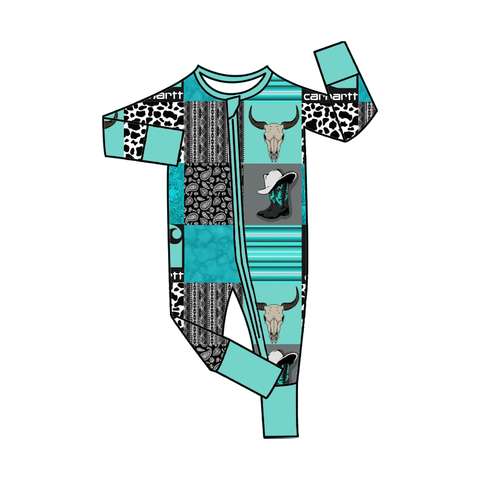
The Role of GSM in Bamboo Baby Custom Products
Grams per Square Meter (GSM) is a crucial measurement that determines the weight and thickness of fabrics. When designing bamboo baby products, such as swaddle blankets, onesies, or bibs, selecting the right GSM is essential to meet functional and aesthetic requirements. Typically, bamboo fabrics used for baby products range from 120 GSM to 250 GSM.
Why GSM Matters in Production
GSM plays a pivotal role in ensuring the final product’s durability, softness, and breathability. Lower GSM (e.g., 120-180) is ideal for applications like baby swaddles, providing lightness and airflow. Higher GSM (e.g., 200-250) is more suitable for absorbent items like towels or blankets.
Customizing GSM for Specific Applications
By carefully calculating the GSM parameters during the production phase, manufacturers can tailor products to meet customer demands. It’s important to consider bulk density, thermal insulation properties, and end-use function when deciding on the GSM of bamboo baby products.
Fabric Density: Engineering for Consistency and Comfort
Fabric density refers to the number of threads or fibers in a specific area of fabric, playing a major role in the texture, durability, and comfort of bamboo baby custom products. In the context of baby textiles, achieving optimal fabric density affects not only product quality but also user satisfaction.
Balancing Softness and Durability
Bamboo baby fabrics require a delicate balance between softness and durability. For example, a higher thread count can provide a smoother texture, but excessive density risks reducing breathability—an essential feature for baby garments. Manufacturers must find a thread density balance that maintains comfort while withstanding frequent washing and use.
Using Fabric Density for Product Segmentation
Fabric density is a versatile parameter that allows manufacturers to efficiently create product lines targeting different market segments. For premium baby products, higher thread densities may appeal to customers looking for luxurious softness, while standard quality items may emphasize durability and cost-effectiveness.
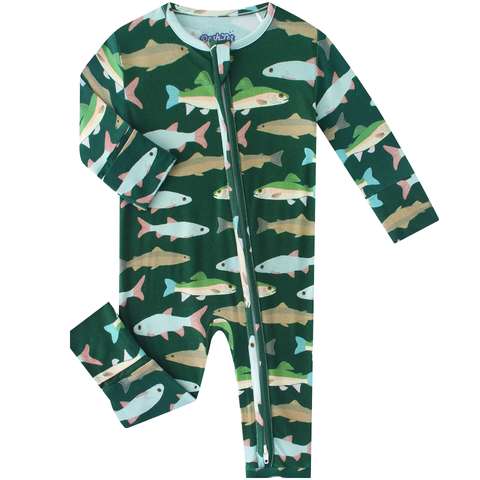
Industrial Machinery: Innovating Bamboo Fabric Production
Producing bamboo-based baby products demands precision, efficiency, and agility, necessitating the adoption of advanced industrial machinery. From spinning and weaving to dyeing and finishing, machinery must be optimized for bamboo’s unique fiber properties.
Spinning and Weaving Equipment
Bamboo fibers, often blended with materials like organic cotton, require specific spinning and weaving setups that promote uniformity and reduce fiber breakage. Open-end spinning systems and advanced weaving looms, such as dobby or jacquard looms, are particularly effective for creating intricate and customized designs in bamboo baby fabrics.
Dyeing Machines for Non-Toxic Finishes
Given the target market of baby products, dyeing processes must adhere to stringent safety and ecological standards. Continuous dyeing machines, paired with non-toxic and Oeko-Tex-certified dyes, ensure that bamboo baby products maintain their sustainability credentials without compromising performance.
Automated Cutting and Sewing Systems
Automation plays an integral role in the efficient scaling of bamboo baby custom products. Computerized cutting machines accurately handle bamboo textiles, minimizing material waste. Similarly, automated sewing systems with multi-needle capabilities streamline the production of seamless baby garments, ensuring consistency and quality at scale.
Customizing Bamboo Baby Products for B2B Success
As demand grows for tailored products in the baby care market, B2B manufacturers must align their offerings with specific customer requirements. This includes the ability to produce custom bamboo baby products in terms of design, size, pattern, and packaging.
Custom Printing and Branding
Direct-to-garment (DTG) printing and embroidery systems allow manufacturers to integrate logos, colors, and patterns based on client specifications. Advances in textile printing enable high-resolution designs without compromising the bamboo fabric’s natural properties.
Scalability for Custom Orders
Efficient production planning, driven by Enterprise Resource Planning (ERP) systems, supports scalable custom orders. Automation within the supply chain ensures that even small-batch orders can be fulfilled cost-effectively, broadening the appeal of bamboo baby products for boutique brands.
| Fabric Type | Pima Cotton |
| Compliance | OEKO-TEX 100 |
| Customization | Tailor-made |
| Lead Time | 28 Days |
Sustainability: A Competitive Advantage in Bamboo Fabric Manufacturing
Sustainability isn’t just a trend; it is an essential component of modern manufacturing. Bamboo, as a renewable and fast-growing source, already offers an advantage in reducing the environmental footprint of baby textiles. However, manufacturers must take additional steps to ensure true sustainability across the supply chain.
Eco-Friendly Production Techniques
Closed-loop processes, commonly used for bamboo viscose fabrication, reduce water and chemical waste. Similarly, the use of energy-efficient machinery, such as low-water dyeing systems, enhances the eco-profile of bamboo baby custom products.
Certifications and Standards Compliance
Manufacturers can build trust with B2B clients by adhering to certifications like Global Organic Textile Standard (GOTS), Oeko-Tex, and Fair Trade. These labels assure downstream businesses and end customers that the bamboo products adhere to the highest environmental and ethical standards.
The Future of Bamboo Baby Custom Textiles
As consumer preferences shift toward personalized, eco-friendly products, bamboo baby custom textiles represent a promising opportunity for manufacturers and distributors alike. By leveraging innovative industrial machinery, optimizing GSM and fabric density, and committing to sustainable practices, B2B businesses can confidently establish themselves in this growing market.
Adopting Smart Manufacturing
Smart manufacturing practices, including predictive maintenance and real-time monitoring of machinery, can drive efficiencies in bamboo baby product production. Automation and the Internet of Things (IoT) will continue to reshape the industry, enabling manufacturers to meet demand while maintaining consistent quality.
The Growing Importance of Circular Economies
Implementing a circular economy approach—through recycling bamboo waste, producing biodegradable accessories, and upcycling fabric scraps—will be a significant differentiator for manufacturers invested in long-term sustainability.
Bamboo baby custom products embody the convergence of sustainability and innovation. For B2B manufacturers, optimizing GSM, fabric density, and machinery while prioritizing scalability and eco-conscious production sets the foundation for success. By catering to evolving market trends, businesses can deliver products that align with their clients’ and consumers’ expectations for high-quality, customizable, and environmentally-responsible solutions.
This structured article blends technical engineering concepts with practical insights tailored for a B2B audience in the bamboo baby product manufacturing sector.