Gots Organic Toddler Halloween Pajamas Astm F963 Supplier
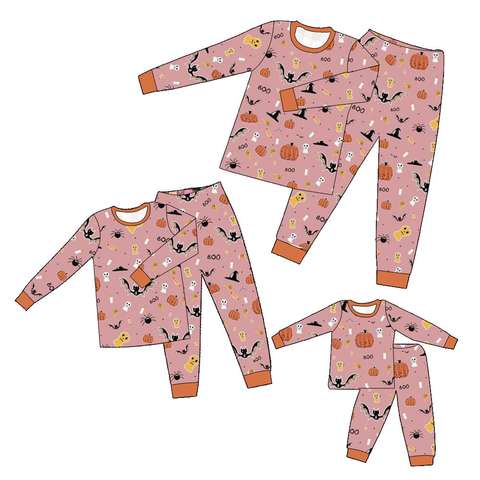
The Technical Foundations of Toddler Halloween Pajamas
When it comes to manufacturing apparel for toddlers, few categories are as seasonally relevant as Halloween-themed pajamas. These products need to balance strict safety standards, vibrant designs, and unmatched comfort—all while maintaining efficient production processes to meet seasonal demand. Central to this production process are three key factors: GSM (grams per square meter), fabric density, and advanced industrial machinery. This article delves into the technical principles that influence the design and production of toddler Halloween pajamas, shedding light on the importance of materials and technologies in ensuring product quality and compliance.
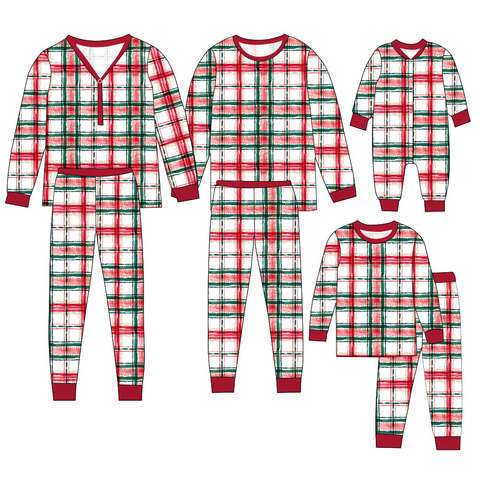
Understanding GSM and Fabric Density in Pajama Manufacturing
GSM, or grams per square meter, is a critical metric in the textiles and apparel industry. It describes the weight of a fabric based on a one-square-meter sample and directly affects the feel, durability, and safety of garments. For toddler pajamas, particularly Halloween-themed designs, GSM selection is a strategic decision influenced by safety regulations, comfort, and aesthetic.
The Role of GSM in Toddler Pajamas
The perfect GSM for toddler Halloween pajamas generally falls between 180 and 220 GSM. This range offers a balance between softness and durability while ensuring breathability. Toddler pajamas must be resistant to tears and heavy wear, as they are often subject to high activity levels. , Halloween-themed pajamas with designs like pumpkins, ghosts, and bats often involve added layers of pigment printing or surface embellishments. A mid-range GSM prevents the fabric from feeling too heavy while offering a surface texture robust enough to handle inks and dyes without compromising flexibility.
Fabric Density and its Influence
While GSM measures the weight, fabric density quantifies the material's tightness in weave or knit patterns. In toddler pajamas, a higher density generally equates to improved thermal insulation and durability—two essential factors for October's cooler temperatures. Seasonal pajamas often require fabrics like interlock knit or jersey knit, as these structures offer stretchability while maintaining high-density properties for warmth and pliability.
For Halloween pajamas, the selected density must also enable vivid color reproduction. A dense substrate prevents light from penetrating through the fabric, ensuring sharp, vibrant Halloween patterns that align with consumer expectations. At the same time, the density must strike a balance to maintain breathability, as overly dense fabrics may trap heat and cause discomfort for a toddler.
Industrial Machinery's Role in Pajama Production
Technology-enabled production is indispensable in the modern apparel industry. Manufacturers of toddler Halloween pajamas rely on cutting-edge industrial machinery, integrating precision, speed, and versatility to keep up with market trends. Each production stage, from fabric preparation to assembly and finishing, is enhanced by specialized machinery designed to optimize efficiency, consistency, and quality.
Fabric Preparation and Dying Machinery
The production of toddler Halloween pajamas typically begins with the preparation of raw fabric. Pre-treatment involves washing to remove impurities, treating the material to enhance color retention, and achieving the desired fabric texture. For Halloween-themed pajamas, dyeing units with high-pressure jet machines are particularly popular, enabling deep and uniform color penetration over large production runs.
Digital textile printing machines play a massive role in this process as well. Machines using reactive or pigment inks allow manufacturers to print vibrant Halloween designs directly onto both light and dark fabric bases. These printers deliver excellent precision, making them a preferred choice for intricate designs like spider webs, jack-o-lanterns, and skeleton motifs.
Cutting and Sewing with Precision
Once the base material is ready, precision cutting machines, often using computer-aided design (CAD) systems, ensure patterns are cut to exact specifications. These machines eliminate human error, providing uniformity crucial for mass manufacturing, especially for garments requiring detailed cut-outs for applique designs often featured in Halloween-inspired themes.
For sewing operations, automated stitching equipment is utilized to assemble the cut pieces efficiently. Overlock machines create durable and flexible seams, particularly for knit fabrics like cotton jersey used in toddler pajamas. Flatlock machines are important as well, especially for minimizing seam irritation on a toddler’s sensitive skin.
Special Equipment for Embellishments and Safety Compliance
Halloween pajamas frequently feature decorative embellishments such as glow-in-the-dark features, glitter accents, or 3D fabric overlays. Heat presses and ultrasonic bonding machines are used to apply these embellishments uniformly to the garments to ensure they are securely attached and safe for toddlers. Components like buttons, sequins, and zippers are subjected to rigorous pull tests during this stage to ensure toddler safety.
Another critical aspect for Industrial machinery in this domain is flame retardant treatment. Regulatory requirements, especially in the United States, mandate that toddler sleepwear must be flame-resistant or snug-fitting. Specialized spraying or immersion machines are applied to treat the fabric during production without altering its texture or flexibility needed for children’s loungewear.
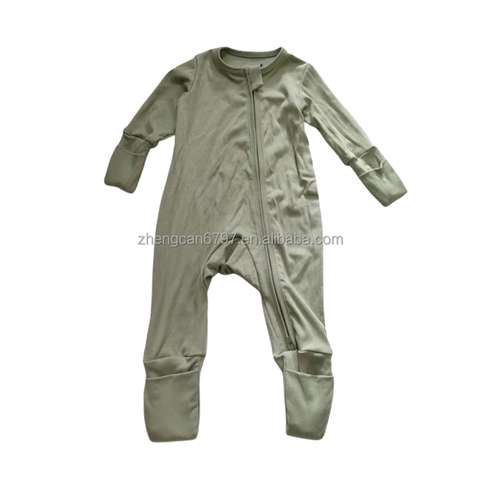
Quality Control and Compliance in Toddler Halloween Pajama Production
The intersection of design and technical execution in toddler Halloween pajamas ultimately converges on quality control and regulatory compliance. Each stage of production must adhere to regional and international standards aimed at ensuring toddler safety and satisfaction.
Testing for Fabric Weight and Durability
In the early stages of planning, comprehensive tests are conducted to confirm that the chosen GSM and fabric density align with product specifications. Burst strength testers, elongation analyzers, and abrasion testers help manufacturers verify that the material can withstand the stress of toddler use without compromising softness and safety. Variations in GSM are monitored to ensure that all products meet uniform quality benchmarks.
Flammability and Safety Standard Compliance
In many regions, toddler sleepwear must comply with flammability requirements, as stipulated by regulations like the U.S. Consumer Product Safety Commission (CPSC). Garments are subjected to flammability tests under controlled conditions to ensure that the fabric is either flame-resistant or naturally snug-fitting—a vital requirement for Halloween pajamas marketed as safe sleepwear.
Glow-in-the-dark embellishments are evaluated using spectroscopy techniques to ensure they are non-toxic and adhere to stringent chemical safety standards. Any non-compliant products risk being flagged or withdrawn from markets, leading to both reputational damage and financial losses for manufacturers.
| Fabric Type | Pima Cotton |
| Compliance | CPSIA Compliant |
| Customization | OEM |
| Lead Time | 36 Days |
Automated Inspection for Production Consistency
Advancements in industrial machinery allow for automated quality inspection systems that use in-line monitoring during fabric weaving, dyeing, and cutting processes. High-resolution cameras and sensors identify defects such as alignment errors, print inconsistencies, or uneven dye penetration. These systems ensure that every piece of toddler Halloween pajama meets design and safety standards before entering the market.
The production of toddler Halloween pajamas intertwines creative design with precision engineering, all while adhering to stringent safety standards. From selecting the ideal GSM and fabric density to leveraging advanced industrial machinery, manufacturers rely on technical expertise to deliver products that delight both children and their parents. As consumer demand for seasonal pajamas grows, businesses in the industry can thrive by investing in improved technology, optimizing material use, and ensuring unwavering compliance with regulatory mandates. Through these measures, manufacturers can strike the perfect balance of comfort, durability, and design to meet the unique challenges of this sector.