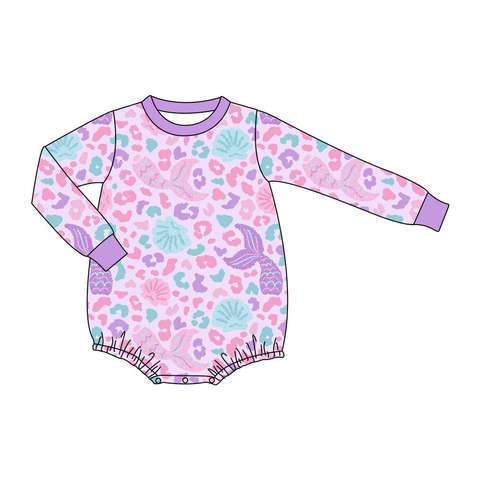
Odm Baby Winter Jumpsuit Custom Factory
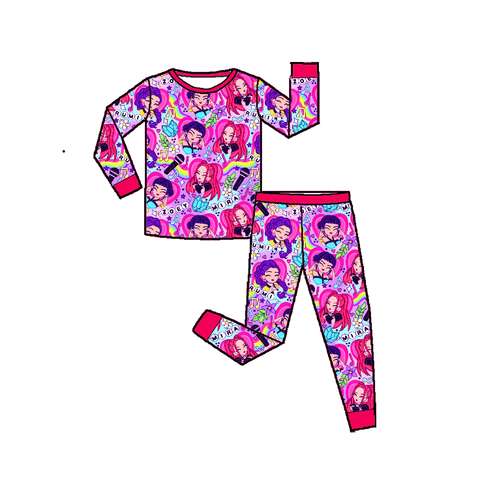
The Engineering Behind Baby Winter Jumpsuits
Baby winter jumpsuits are an essential product in the childrenswear industry, combining comfort, warmth, and durability. For B2B enterprises working in textile manufacturing or garment production, understanding the technical aspects behind these products is crucial. Paramount considerations include fabric density, grams per square meter (GSM), and the advanced industrial machinery needed to ensure consistent quality. This article explores the intricacies of engineering baby winter jumpsuits to align with market demands and manufacturing efficiency.
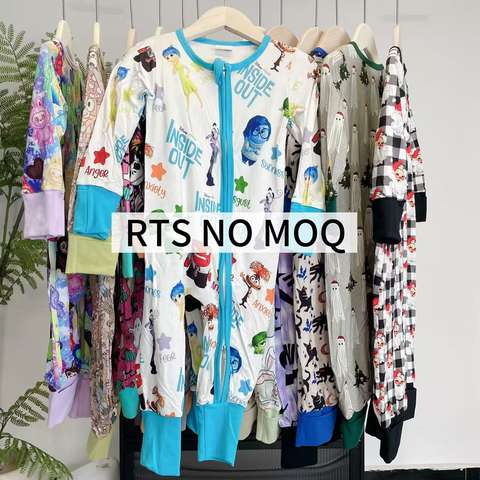
Analyzing the Importance of Fabric Density
Fabric density refers to the number of yarns per unit area and plays a decisive role in determining the functionality and durability of baby winter jumpsuits. When producing winter wear, the primary objective is to maintain warmth without compromising mobility or comfort. The selection of high-density fabrics, primarily made from knitted or woven materials, enables manufacturers to achieve this balance.
For baby winter jumpsuits, optimal fabric density typically ranges between 150-300 yarns per inch, depending on the targeted weight and thermal properties. High-density fabrics provide excellent insulation and resistance to wind penetration, key considerations in colder climates. However, unnecessary bulk can restrict movement, which is especially problematic for infants or toddlers who are naturally active.
Manufacturers often pair high-density thermal layers, such as fleece-lined polyester or quilted cotton materials, for additional comfort. Engineering precise density ensures product functionality while minimizing excessive weight or stiffness that can arise from improperly selected materials.
GSM as a Measure of Fabric Weight and Performance
Grams per square meter (GSM) is a critical parameter in the textile industry, representing the fabric weight and its thickness. Baby winter jumpsuits need to strike a fine balance between warmth and lightness, and GSM measurements aid in standardizing these qualities across the production line. For winter garments, the usual GSM ranges from 200 to 400, depending on the intended application and customer preferences.
Low GSM fabrics, generally between 200-250, may not offer sufficient thermal insulation for extreme winters but provide superior breathability and softness—qualities desirable for infants. Conversely, higher GSM fabrics closer to 350-400 deliver robust insulation ideal for sub-zero conditions. However, higher GSM values can increase fabric bulkiness, which may necessitate additional attention during the garment assembly process.
The GSM standardization process often involves precise calibration before production begins. Automated machinery such as calenders and fabric thickness testers ensures consistency in GSM, eliminating inconsistencies that can lead to defective garments.
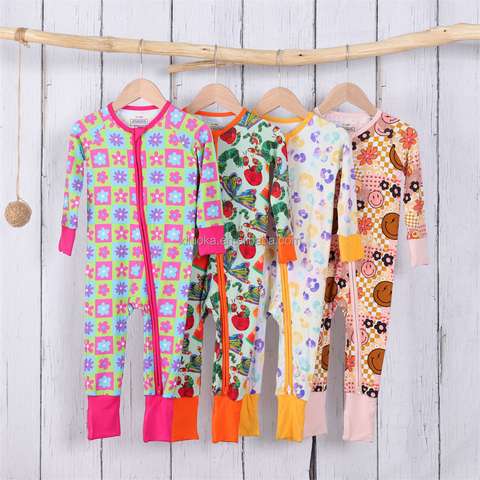
Industrial Machinery in Garment Production
The production of baby winter jumpsuits involves various specialized industrial machinery designed for high-quality, efficient output. The machinery setup varies based on the fabric types and product designs but generally includes following essential equipment:
Circular Knitting Machines
Circular knitting machines are widely used for producing high-density, stretchy fabrics that are ideal for winter wear. These machines can deliver intricate patterns and layer combinations, enabling manufacturers to blend various materials like polyester, spandex, and cotton. The resulting fabric offers a snug fit, vital for retaining body heat and ensuring comfort.
Advanced knitting machines today integrate automation and pattern-making software, significantly reducing human intervention. This improves efficiency, minimizes wastage, and ensures precise knitting characteristics as per client specifications.
Quilting Machines
Quilted jumpsuits, which combine insulation layers for extra warmth, are often fabricated using specialized quilting machines. Two significant types of quilting machines commonly employed are multi-needle and single-needle machines. Multi-needle machines enable bulk production, making them ideal for large B2B operations. In contrast, single-needle machines offer flexibility for customized designs.
Quilting machines can incorporate additional padding layers—polyester wadding, down feathers, or synthetic fibers—depending on the desired GSM variations and thermal performance of the jumpsuit.
Overlock and Flatlock Sewing Machines
Durable seams are critical for baby winter jumpsuits to prevent wear and tear during daily use. Overlock and flatlock sewing machines are indispensable for ensuring seam integrity. Overlock machines reinforce edge strength, preventing the fabric from fraying. Flatlock machines create flat, smooth seams that maximize comfort against a baby’s skin.
Automated overlockers now come equipped with error-detection systems, improving product quality while reducing labor-intensive checks.
Thermal Bonding Machines
Thermal bonding machines play a key role in garment construction by laminating multiple fabric layers. These machines apply heat and pressure to adhere layers without additional stitching, increasing garment durability. They are particularly useful for integrating waterproof membranes or windproof barriers into winter jumpsuit designs.
With advancements in material science, thermal bonding has become a core technology for elevating product performance while retaining aesthetic appeal.
| Fabric Type | Pima Cotton |
| Compliance | CPC Certified |
| Customization | ODM |
| Lead Time | 33 Days |
Balancing Aesthetics with Functionality
While performance metrics like GSM and fabric density dictate the functionality of baby winter jumpsuits, aesthetics remains a crucial differentiator in the retail space. The ability to manufacture functional yet visually appealing products can lead to significant market advantages for B2B manufacturers.
Innovative design software integrated with machine learning algorithms allows for endless customization options for patterns, colors, and printed logos. Digital printing machines and laser cutters can further enhance the production novelty, enabling rapid prototyping and efficient small-scale production for specialized designs.
Additionally, eco-friendly production practices, such as using organic cotton or recycled polyester filament, have become highly desirable in both B2B and B2C markets. Engineers and businesses can invest in sustainable textile processing machinery that aligns with environmental compliance standards without sacrificing product quality.
: The Engineering Future of Baby Winter Jumpsuits
Baby winter jumpsuits are a product that integrates advanced textile technology, precision engineering, and evolving market demands. For B2B manufacturers, maintaining a competitive edge involves critical attention to material science, the role of GSM and fabric density, and investments in sophisticated industrial machinery.
As the textile industry embraces automation, digitalization, and sustainability, the production of baby winter jumpsuits offers tremendous opportunities for innovation. By leveraging cutting-edge technology and engineering insights, businesses can achieve unparalleled product quality, operational efficiency, and customer satisfaction in this growing sector.