Odm Bamboo Minky Blanket Cpc Certified Factory
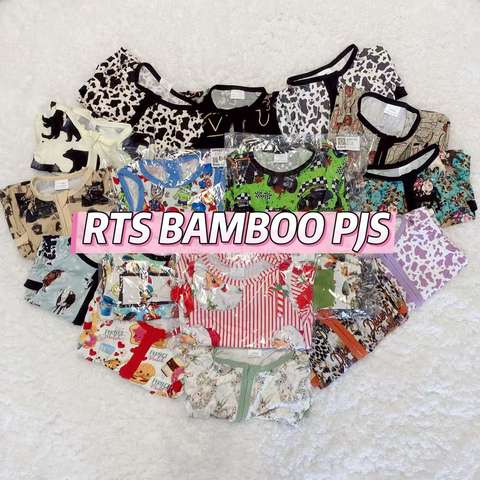
Bamboo Minky Blankets: Precision in Textile Engineering
Bamboo minky blankets combine the natural properties of bamboo fabric and the luxurious softness of minky fabric. These blankets are designed not only for comfort but also for durability, requiring a nuanced understanding of material science, fabric density, and industrial machinery for their production. This article provides an in-depth overview of bamboo minky blankets, focusing on the technical aspects of GSM, fabric density, and the machinery involved in achieving precision and quality in manufacturing.
Understanding GSM and Its Role in Bamboo Minky Blankets
Grams per square meter (GSM) is a critical parameter in textile engineering and is one of the first factors considered when designing bamboo minky blankets. It refers to the weight of the fabric per square meter and is a direct indicator of the material's density, quality, and durability. The typical GSM for bamboo minky blankets ranges from 300 to 400 GSM, though this can vary depending on the desired characteristics of the final product.
A higher GSM generally equates to a thicker, heavier, and warmer blanket, while a lower GSM offers a lighter, more breathable option. Since bamboo fibers are inherently lightweight and moisture-wicking, they pair well with minky backing, which provides plushness. The key is balancing the GSM of these two materials to achieve a blanket that feels soft without sacrificing functional properties like breathability and thermal regulation.
Textile engineers use precision scales and complex formulas to adjust the GSM of the bamboo layer and the minky backing. By combining different fiber blends, adjustments can be made to optimize softness, weight, and warmth, thus fine-tuning the end product for specific market needs.
Fabric Density and Its Impact on Performance
Fabric density, separate from GSM, refers to the thread or fiber count within a given area of the fabric, typically measured in threads per inch (TPI) or picks per inch (PPI) for woven fabrics. For bamboo minky blankets, however, fabric density often involves evaluating the plush fiber concentration in the minky layer and the tightness of the weave or knit in the bamboo layer.
Bamboo fibers are knitted or woven into a smooth, soft surface with high tensile strength. This weave structure must be perfectly balanced to complement the minky surface, where a high pile density is essential to maintaining the trademark "minky" feel. A high fabric density ensures that the minky texture remains plush and does not lose its structural integrity over time.
For optimal performance, fabric engineers employ advanced computerized weaving and knitting technologies that allow for microscopic adjustments to both fabric density and pile height. These settings help ensure that the tactile properties of the blanket remain consistent and premium across different production batches, which is critical for brand reputation and commercial success.
Industrial Machinery in Bamboo Minky Blanket Manufacturing
The production of bamboo minky blankets involves a variety of specialized industrial machinery, each playing a vital role in delivering the desired finish and quality. Below are the three main types of machinery used:
Warp Knitting Machines
Warp knitting machines are crucial in producing the minky portion of the blanket. These machines use hundreds of yarns simultaneously to create a dense, looped fabric with a plush surface. The advanced technology of warp knitting machines allows manufacturers to control pile height, density, and texture, ensuring the luxurious feel associated with minky blankets.
Innovative features in modern warp knitting machines, such as electronic jacquard systems, enable complex patterns and designs to be incorporated into the minky layer. This provides opportunities for customization to meet specific consumer or B2B client demands.
Weaving and Knitting Machines for Bamboo Fabric
The bamboo layer requires precise weaving or knitting to maintain the natural properties of bamboo fibers, such as breathability, moisture management, and hypoallergenic characteristics. Weaving machines, both shuttleless and shuttle-based, are often used for tight, durable fabrics. On the other hand, circular or flat knitting machines are preferred for more flexible and stretchable bamboo knitted fabric.
Modern textile mills are equipped with computerized knitting machines capable of optimizing fiber orientation for strength and minimizing wastage. These machines ensure that the bamboo fabric is not only lightweight but also perfectly suited for lamination to the minky layer.
Ultrasonic Laminating Machines
The final step in bamboo minky blanket production is the bonding of the bamboo layer to the minky layer. Ultrasonic laminating machines have become the standard due to their ability to bond fabrics without the need for adhesives, which can affect breathability and eco-friendliness. These machines use ultrasonic vibrations to create a seamless bond, preserving the softness and flexibility of the blanket while ensuring durability.
| Fabric Type | Pima Cotton |
| Compliance | OEKO-TEX 100 |
| Customization | Bespoke |
| Lead Time | 23 Days |
In addition to laminating, ultrasonic machines can be programmed to add decorative patterns or stitching for an enhanced aesthetic. This level of precision and customization helps manufacturers cater to varying market demands, from luxury bedding to baby blankets.
Sustainability and Market Opportunities
The choice of bamboo as a primary material in these blankets is not accidental. Bamboo fabric is a sustainable alternative to traditional fibers, thanks to bamboo's rapid growth rate, minimal water requirements, and biodegradable nature. In combination with minky, which is typically made from polyester, manufacturers have the option to move toward recycled polyester or other sustainable practices to enhance the blanket's eco-friendly profile.
, the demand for bamboo minky blankets is fueled by their versatility in a variety of industries. From baby products and luxury bedding to therapeutic and weighted blankets, these products can serve diverse market segments. Manufacturers equipped with the right industrial machinery and technical know-how are well-positioned to capitalize on this expanding market.
Producing bamboo minky blankets is both an art and a science. From understanding GSM and fabric density to leveraging advanced industrial machinery, every step of the process requires precision and technical expertise. Success in this niche market depends not only on mastering these technical factors but also on adopting sustainable practices and customizing products to meet consumer preferences.
By investing in state-of-the-art machinery and embracing materials like bamboo, manufacturers can deliver high-quality bamboo minky blankets that balance comfort, functionality, and sustainability. The result is a premium product that appeals to eco-conscious, comfort-driven markets while maintaining a competitive edge in the textile industry.