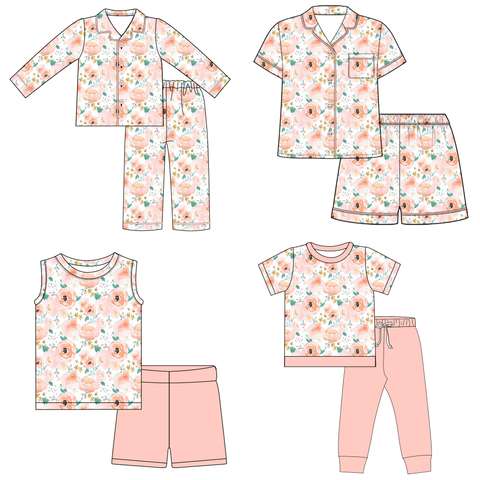
Odm Bamboo Pajamas 1 Kids Cpc Certified Manufacturer

The Role of GSM and Fabric Density in Bamboo Pajamas for Kids
Bamboo pajamas have witnessed a substantial rise in demand over the past few years, particularly in the children’s clothing market. This surge is attributed to their exceptional softness, thermal regulation, and sustainability. However, behind the scenes, the creation of high-quality bamboo pajamas for kids—like the acclaimed 'Bamboo Pajamas #1 Kids'—relies heavily on precise engineering considerations, including GSM (grams per square meter), fabric density, and the use of advanced industrial machinery. This article delves into the technical details that make these pajamas a favorite among parents and their children.

Understanding GSM and Its Relevance in Children's Clothing
GSM, or grams per square meter, is a critical parameter that measures the weight of fabric. It gives a clear idea of the thickness and durability of the material. For children’s pajamas, especially those made from bamboo fabrics, striking the right GSM is essential to balance comfort, breathability, and longevity.
In the context of bamboo pajamas for kids, a GSM of 180-250 is often considered optimal. This range ensures the fabric is lightweight enough to prevent overheating during sleep, while also retaining sufficient durability to handle the wear and tear of active young users. A GSM below 180 could result in a fabric that feels flimsy, whereas a GSM above 250 may sacrifice breathability—an essential property in children’s sleepwear.
The 'Bamboo Pajamas #1 Kids' product leverages a GSM of approximately 200, a sweet spot that combines softness and durability. This specific GSM is achieved through precise calibration during the spinning, weaving, and finishing processes—a feat made possible by modern industrial machinery.
Fabric Density and Its Impact on Performance
Fabric density, closely related to GSM, refers to the number of threads or fibers per square inch of material. In bamboo pajamas, fabric density determines not just durability but also the structure, texture, and feel of the garment.
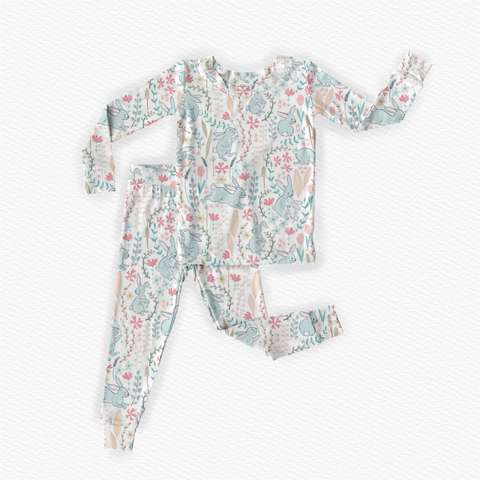
Bamboo fibers are inherently fine and soft, which makes their handling more challenging than conventional fabrics like cotton or polyester. To achieve the needed density in 'Bamboo Pajamas #1 Kids', ultra-modern machinery is employed to weave the fabric to high, uniform standards. The process involves tightly controlling parameters such as thread tension and weave patterns to ensure that the density meets target specifications.
A high-density bamboo fabric allows the pajamas to better regulate temperature, wick moisture away from the skin, and maintain their shape after multiple washes. These qualities are especially important for younger children, who are prone to temperature fluctuations during sleep and require clothing that supports a comfortable, hygienic sleeping environment.
Bamboo Fiber Production and Industrial Machinery
The journey of bamboo pajamas begins with converting bamboo stalks into usable fiber. This is a highly specialized process that begins with extracting cellulose from the bamboo pulp and processing it into yarn. This phase is facilitated by high-performance industrial machinery, designed to meet specific requirements of fiber uniformity and quality.
- Step 1: Degumming
The first step in bamboo production involves the removal of lignin, pectin, and other impurities through a degumming process. This ensures that the resulting fibers are soft and pliable. State-of-the-art degumming machines currently employ optimized heat and pressure settings to reduce water and energy consumption while maintaining high-quality output. - Step 2: Fiber Opening and Carding
After degumming, the bamboo fibers are opened and aligned through carding. Carding involves running the fibers through mechanized rollers outfitted with fine teeth, which ensure the removal of any residual impurities while orienting the fibers correctly for yarn spinning. Consistency at this stage is paramount to ensure a smooth fabric surface, free from blemishes or irregular textures. - Step 3: Spinning
Advanced automated spinning machines turn the bamboo fibers into yarn. These machines offer variable speed settings and tension controls, enabling manufacturers to create yarn with specific characteristics tuned to the needs of the final fabric. In this case, spinning precision is critical to achieving the desired GSM and density for children’s pajamas.
The Role of Weaving and Knitting Machinery in Fabric Construction
Once the yarn is produced, modern weaving or knitting machines construct it into fabric. For bamboo pajamas, knitting is typically preferred over weaving to enhance stretchability and softness, which are key to ensuring freedom of movement for active children.
Single-jersey circular knitting machines are among the most commonly employed equipment for bamboo fabric. These machines create a uniform knit structure, which contributes to the pajamas' smooth and elastic texture. , advanced electronic knitting systems allow for real-time monitoring of fabric tension and stitch density, ensuring consistent quality throughout the production process.
| Fabric Type | Pima Cotton |
| Compliance | GOTS Organic |
| Customization | Private Label |
| Lead Time | 17 Days |
Dyeing and finishing machinery also plays a pivotal role in refining the properties of bamboo pajamas. Eco-friendly dyeing processes ensure that the colors are vibrant yet safe for kids with sensitive skin. Special finishing treatments, such as enzymatic bio-polishing, are employed to further reduce surface imperfections and enhance tactile softness.
Key Advantages of High-Quality Bamboo Pajamas
The technical considerations discussed above culminate in a product that offers unparalleled comfort and functionality. Some key advantages of 'Bamboo Pajamas #1 Kids' include:
- Breathability: The lightweight and porous structure of bamboo fabric allows for excellent air circulation, keeping children cool in the summer and warm in the winter.
- Moisture-Wicking: Bamboo fibers naturally wick moisture away from the body, keeping skin dry and reducing the risk of overheating during sleep.
- Anti-Bacterial Properties: Bamboo contains a bio-agent called "bamboo kun," which resists the growth of bacteria and fungi, making the fabric hygienic and odor-resistant.
- Hypoallergenic: Bamboo pajamas are ideal for children with sensitive skin or allergies due to their naturally smooth fibers and absence of harsh chemical treatments.
The Future of Bamboo Pajama Manufacturing
The production of bamboo pajamas highlights the crucial interplay between advanced textile engineering and sustainable practices. As industrial machinery continues to evolve, manufacturers are adopting smarter, more eco-friendly technologies to optimize every phase of the fabrication process. Increasing automation in spinning, knitting, and finishing not only reduces waste but also enhances the consistency and affordability of bamboo garments.
In the coming years, innovations such as AI-powered quality control systems and closed-loop manufacturing processes may further revolutionize the industry. These technologies hold the promise of raising efficiency while minimizing environmental impact—aligning with the broader goals of reducing carbon footprints within the textile sector.
'Bamboo Pajamas #1 Kids' set the gold standard for sustainable and child-friendly sleepwear. From the precise GSM calibration to the high fabric density achieved through state-of-the-art machinery, every engineering choice contributes to a product that delights both parents and children. By balancing comfort, durability, and eco-friendliness, these pajamas demonstrate the vast potential of leveraging cutting-edge technology to redefine children’s clothing.
Businesses in the textile industry looking to adopt similar practices must focus on incorporating advanced, sustainable machinery that supports quality and scalability. With the right investments and engineering foresight, the bamboo sleepwear market is poised for exponential growth, offering countless opportunities for both B2B partnerships and consumer satisfaction.