Odm Bamboo Silk Pajamas Set Gots Organic Wholesale
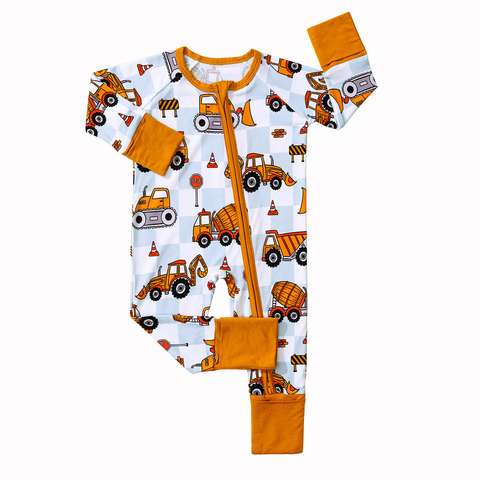
Bamboo Silk Pajama Sets: A Technical Perspective for Manufacturers
Bamboo silk pajama sets have rapidly earned a place in the market, combining sustainability with luxury. As manufacturers and suppliers consider diversifying their product range or enhancing their production processes, understanding the intricate details of bamboo silk is vital. This article provides an in-depth technical exploration of key factors—such as GSM (grams per square meter), fabric density, and the machinery involved in creating high-quality bamboo silk pajamas.
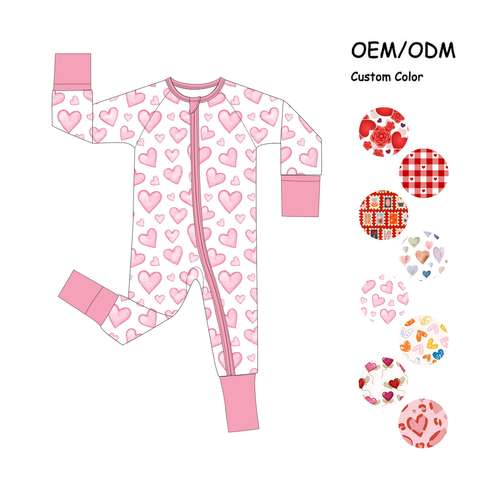
Understanding the Composition of Bamboo Silk
Bamboo silk is a hybrid material that combines the eco-friendly attributes of bamboo with the softness and sheen of silk. While technically bamboo silk isn’t derived from silk-producing insects, its production involves transforming bamboo pulp into viscose or lyocell, which is then treated to replicate the lustrous texture of silk. This blend is not only luxurious but also sustainable, hypoallergenic, and highly breathable—features that appeal to modern consumers.
The key to ensuring the material's premium quality lies in fine-tuning various parameters during manufacturing, most GSM and fabric density. These factors directly influence the feel, drape, durability, and performance of bamboo silk pajamas.
GSM: The Measurement of Fabric Weight
GSM, or grams per square meter, is a critical specification for bamboo silk pajamas. It measures the weight of fabric per square meter and serves as an indicator of fabric thickness and durability. For pajamas, striking the right GSM balance is essential to create a breathable yet insulating garment.
Most bamboo silk pajamas fall in the GSM range of 100 to 150. Lower GSM values around 100 offer lightweight, breathable fabric, perfectly suited for warmer climates or summer collections. Conversely, a higher GSM of up to 150 provides a denser and heavier fabric suited for colder seasons, ensuring adequate warmth without compromising softness.
Manufacturers utilize specialized industrial tools such as GSM cutters and digital scales to measure fabric weight accurately. Consistency in GSM ensures quality and customer satisfaction, which is crucial for high-end pajama brands.
Fabric Density: Determinant of Quality and Aesthetic
Alongside GSM, fabric density is another critical parameter. Fabric density refers to the number of yarns per unit area (usually measured per square inch) in the woven or knit fabric. For bamboo silk, high fabric density directly correlates with a smoother appearance and enhanced durability.
Ideal fabric density for bamboo silk pajamas is generally between 150 and 300 threads per inch. Fabrics with a thread count below this threshold may lack the silk-like sheen and softness, while excessively high thread counts can compromise breathability and increase production costs.
Machinery such as precision looms or computerized knitting machines is integral to achieving consistent fabric density. Modern looms allow manufacturers to fine-tune tension and weaving speeds, ensuring exceptional uniformity across the fabric.
Industrial Machinery Used in Bamboo Silk Production
The production of bamboo silk fabric is a multi-stage process that relies heavily on cutting-edge industrial machinery. From the preparation of bamboo pulp to textile finishing, each step requires specialized equipment to achieve the desired quality and efficiency.
Pulp Processing and Fiber Conversion
The journey of bamboo silk begins with the chemical or mechanical processing of bamboo stalks into pulp. Mechanical crushing is followed by enzyme treatment or chemical soaking to break down the fibers. Machinery such as defibrators and automated pulping machines modernizes this step, improving sustainability by minimizing energy and water use.
The bamboo pulp is then regenerated into filaments through extrusion machinery. For viscose fibers, this process uses a complex chemical bath extrusion, whereas lyocell production utilizes an eco-friendly solvent-spinning process.
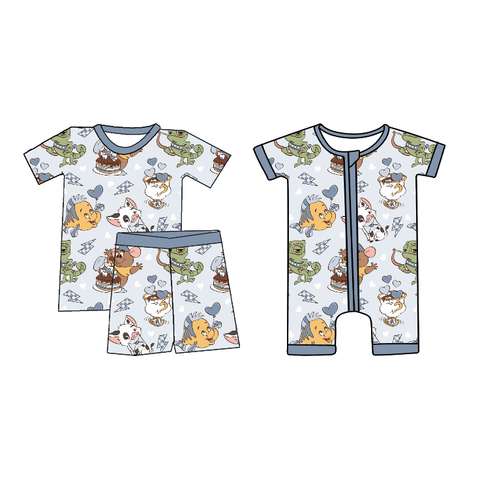
Weaving and Knitting Equipment
The next phase involves transforming bamboo filaments into fabric via weaving or knitting. Advanced shuttleless looms (like air-jet or rapier looms) produce high-density, smooth woven fabrics ideal for luxury bamboo silk pajamas. Knitted fabrics, on the other hand, are manufactured using computerized circular knitting machines, which can produce softer and stretchable textures.
| Fabric Type | Organic Bamboo |
| Compliance | CPSIA Compliant |
| Customization | Custom |
| Lead Time | 33 Days |
Precise control of machinery settings—including tension, speed, and needle configuration—ensures that the final fabric meets desired specifications for GSM and density.
Dyeing and Finishing Machinery
Fabric dyeing and finishing greatly influence the final aesthetic of bamboo silk pajamas. High-pressure jet-dyeing machines and pad-steam dyeing equipment allow for uniform color saturation without degrading the delicate bamboo fibers. Finishing machines equipped with rollers and softening agents further enhance the sheen and softness, giving bamboo silk its characteristic luxurious appeal.
Tips for Manufacturers in B2B Production
For B2B manufacturers and suppliers, producing bamboo silk pajamas involves strategic decisions to balance cost, quality, and scalability. Below are some actionable tips for optimizing the production process and ensuring market readiness:
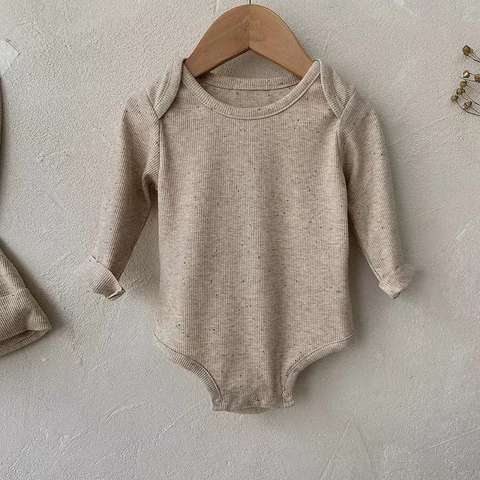
- Invest in modern machinery: High-tech looms and spinning machines improve efficiency and product quality.
- Monitor environmental compliance: The chemical processes in viscose manufacture must meet sustainable regulations to appeal to eco-conscious buyers.
- Focus on quality control: Regular GSM testing and fabric density checks ensure consistency across batches.
- Offer customization: Provide clients with options for GSM and density, catering to a variety of climates and target markets.
- Streamline logistics: Employ automated inventory and supply chain management systems to meet bulk orders without delays.
Market Outlook for Bamboo Silk Pajamas
Bamboo silk pajamas resonate strongly with today's consumers, driven by the rising demand for sustainable, hypoallergenic, and luxurious sleepwear. According to market research, the global bamboo textile industry is projected to grow significantly over the next decade. Manufacturers who can deliver high-quality products—optimized for both performance and sustainability—stand to gain a competitive edge in this expanding market.
Businesses exploring this niche should leverage advancements in industrial machinery and ensure compliance with environmental standards to attract high-profile B2B clients and end consumers.
Bamboo silk pajama sets are an ideal convergence of functionality, comfort, and luxury. For B2B manufacturers, understanding the technical specifics—such as GSM, fabric density, and machinery specifications—is not just an advantage, but a necessity in producing premium-quality sleepwear. By prioritizing innovation, sustainability, and precision, the industry can continue to capitalize on this high-demand product category with confidence.