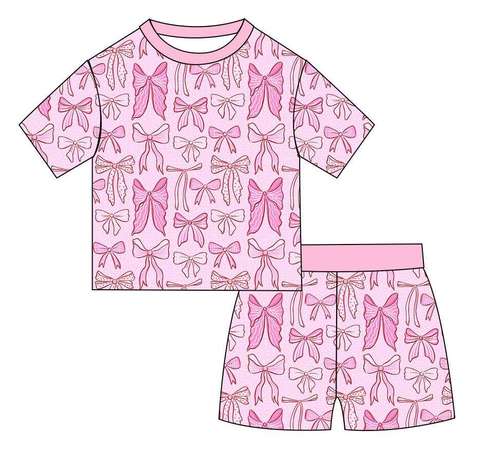
Odm Blank Baby Rompers Oem Supplier
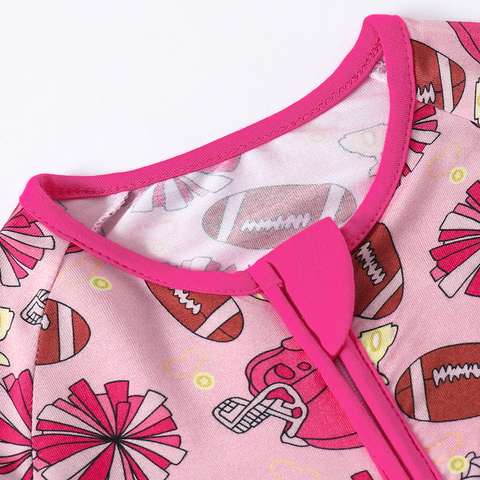
Technical Insights into Blank Baby Rompers: GSM, Fabric Density, and Machinery Considerations
Blank baby rompers are staple products in the clothing industry, cherished for their simplicity and versatility in design. However, the manufacturing of these garments involves intricate technical considerations, particularly in relation to GSM (grams per square meter), fabric density, and the industrial machinery required for scalable production. This article delves into the critical aspects of producing blank baby rompers, offering insights into their engineering and manufacturing complexities.
Understanding GSM and Its Impact on Blank Baby Rompers
Gram per square meter (GSM) is a fundamental measurement used in the textile industry to determine fabric weight and quality. For baby rompers, the GSM plays a critical role in balancing durability and comfort. Industry standards typically require fabrics ranging from 120 to 200 GSM for baby rompers, depending on intended usage.
For lightweight and summer rompers, a GSM around 120 to 150 is ideal. These fabrics are breathable and soft, ensuring comfort for infants while maintaining ease of movement. On the other hand, winter baby rompers often demand denser fabrics with GSM values closer to 180 or 200. These provide extra warmth while maintaining flexibility for little ones.
The GSM impacts not only the feel and functionality of the baby rompers but also the manufacturing processes. Lower GSM fabrics are usually more susceptible to tearing during cutting and sewing, and higher GSM fabrics may require advanced machinery with elevated cutting precision. Selecting the right GSM is a fundamental decision, influenced by the target market demographics and seasonal demand.
Fabric Density: The Foundation of Blank Baby Rompers
Fabric density, often intertwined with GSM, focuses more on the structural weave or knit of the textile. It refers to the number of horizontal and vertical threads in one square inch of fabric. A higher fabric density ensures a tighter weave, offering better durability and smoother finishes.
In the case of blank baby rompers, fabric density should cater to a delicate balance. If the density is too low, the material may become susceptible to wear and tear, compromising the garment's longevity. Conversely, overly high fabric density may reduce breathability, which is a vital factor for infant clothing.
The most commonly used fabrics for baby rompers are cotton, organic cotton, blends, and bamboo-based textiles. Cotton excels in providing softness and breathability, favored for its moderate GSM range and balanced fabric density. Organic cotton offers added benefits such as chemical-free production and hypoallergenic properties, making it a popular choice for eco-conscious brands. Bamboo fabrics are gaining traction due to their superior water absorption and antibacterial properties, especially for sensitive baby skin.
Manufacturers must also consider shrinkage rates linked to fabric density. After printing, dyeing, or washing processes, textiles with lower density might exhibit significant shrinkage. Calculating density adjustment pre-production can ensure better sizing and reduce post-manufacturing errors.
Industrial Machinery: Scaling Production for Blank Baby Rompers
Producing blank baby rompers in large volumes requires sophisticated industrial machinery, designed to streamline fabric handling, cutting, sewing, and finishing stages. Each machine plays a pivotal role in ensuring consistency, precision, and efficiency throughout the production cycle.
The first stage, fabric preparation, typically involves knitting or weaving machines tailored for babywear fabrics. Circular knitting machines dominate this space, especially for lightweight jerseys and interlocks. For higher GSM fabrics or woven textiles, shuttle-less weaving machines are preferred due to their capacity for dense, high-quality outputs.
Once the fabrics are prepared, automatic cutting machinery comes into play. Laser cutting systems and computer numerical control (CNC) cutters allow manufacturers to accurately achieve the required baby rompers' patterns, ensuring minimal waste and superior precision across mass production. For stretch and knit fabrics, dye sublimation machinery can be used to pre-treat materials to ensure consistent handling during the cutting process.
Sewing machinery forms the backbone of romper assembly. Flatlock stitching, overlock stitching, and coverstitch machines are standard staples for baby garment production. These machines not only ensure durable seams but also produce professional-grade finishes that meet customer satisfaction and technical standards. Needle selection becomes critical here, as thinner fabrics require smaller, sharper needles, while denser fabrics demand sturdier, reinforced needles to prevent skipping stitches.
The final step in the production process involves finishing machinery. Heat setting machines reinforce stretch and elasticity in the fabric, particularly for rompers involving spandex blends. Steam pressing ensures wrinkle-free finishes, while specialized machines for quality testing, such as tensile testers and lightboxes, help ensure the final product adheres to industry regulations and branding requirements.
Key Considerations for B2B Buyers of Blank Baby Rompers
For businesses sourcing blank baby rompers, understanding the technical aspects of GSM, fabric density, and machinery not only ensures clear communication with manufacturers but also influences long-term inventory management and customer satisfaction. Below are some key takeaways for B2B buyers.
- Evaluate GSM and Fabric Compositions: Communicate with suppliers about details such as GSM ranges and fabric blends to align with your target demographic. Lightweight fabrics suit summer collections, while higher GSM pieces fare better in colder seasons.
- Understand Shrinkage Rates: Partner with manufacturers or textile engineers who can provide pre-production shrinkage estimates, reducing sizing inconsistencies.
- Adopt Eco-Friendly Textiles: With growing demand for sustainable babywear, sourcing blank rompers using organic cotton or bamboo fabrics can significantly strengthen your brand image.
- Specify Machinery Standards: Ensure discussions with your suppliers include clarity on machinery used in production, especially for critical processes like cutting and sewing. Higher-grade machinery typically translates to better precision and consistent product quality.
The technical specificity of blank baby romper manufacturing makes sourcing a complex but rewarding endeavor for B2B buyers. By focusing on GSM requirements, fabric density properties, and machinery specifications, businesses can confidently navigate the industry and bring exceptional babywear to market.
| Fabric Type | Organic Bamboo |
| Compliance | ASTM F963 |
| Customization | Custom |
| Lead Time | 40 Days |
A Holistic Approach to Manufacturing Excellence
The production of blank baby rompers blends artistry with engineering, requiring attention to fabric details, GSM, density, and industrial machinery for scalability and quality control. From B2B buyers to brand managers in the babywear industry, informed decisions about these technical factors ensure optimized production runs, reduced manufacturing costs, and superior product satisfaction.
As environmental and sustainability considerations continue to advance, the future of blank baby rompers will likely rely on innovative fabrics, automation in sewing machines, and cutting-edge quality control mechanisms. Understanding these manufacturing fundamentals not only facilitates successful business collaborations but also ensures a robust reputation in the competitive world of babywear production.