Tailormade Kids Bamboo Pajamas Character Cpc Certified Manufacturer

Understanding Kids Bamboo Pajamas: Materials, GSM, and Fabric Density
Kids bamboo pajamas have become a hallmark of comfort and eco-conscious choice in the textile industry. These garments blend sustainability and function, making them popular among businesses targeting high-quality yet environmentally friendly products.
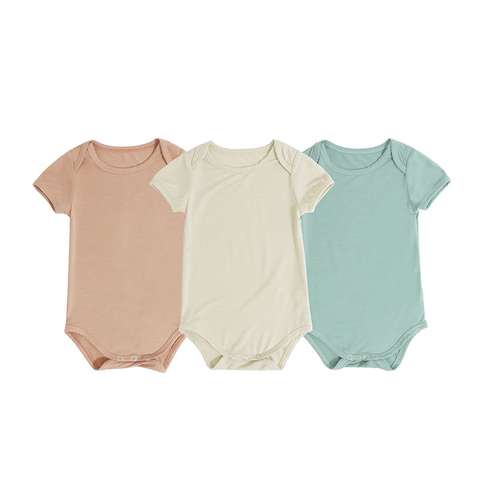
To fully understand the manufacturing efforts behind bamboo pajamas for kids, it’s essential to explore the technical aspects, such as the GSM (Grams per Square Meter), fabric density, and the industrial machinery involved in their production. This article delves deeper into these facets, spotlighting how engineering precision plays a key role in achieving quality and consistency.
What Is GSM and Why Does It Matter?
GSM, or Grams per Square Meter, is a crucial metric in the textile industry and an essential factor in evaluating the weight and feel of bamboo pajamas for kids. GSM essentially measures the weight of fabric per square meter area and directly influences attributes such as durability, comfort, and breathability.
Bamboo fabrics used for kids’ pajamas typically range between 150 to 250 GSM, depending on their intended purpose and seasonal usage. For warmer weather, lighter fabrics (closer to 150 GSM) are preferred as they provide better ventilation. Conversely, heavier fabrics (closer to 250 GSM) are favored for cooler climates, offering greater insulation.
Engineers and manufacturers ensure the GSM precision by testing fabric rolls with specialized GSM cutters and digital scales. These tools are calibrated using advanced industrial machinery to guarantee accurate results across production batches.
Fabric Density: The Key to Durability and Comfort
Fabric density is yet another essential technical parameter when discussing bamboo pajamas. It refers to the number of yarns or threads packed within a square inch of fabric. It directly impacts the garment’s tensile strength, feel, and durability.
For kids’ bamboo pajamas, the density typically ranges from 200 to 300 thread count. This density ensures a soft yet resilient structure that can endure frequent washing cycles—a critical feature for kids’ products. High-density fabrics also offer enhanced durability while retaining flexibility, ensuring the pajamas adapt well to active usage.
Advanced weaving machinery, such as power looms, often comes into play while achieving the desired fabric density during the manufacturing process. These machines are programmed to create precise patterns and yarn arrangements in line with design specifications, ensuring that the resulting bamboo fabric is both durable and soft.
Industrial Machinery Driving Bamboo Pajama Production
Manufacturing kids bamboo pajamas hinges on sophisticated industrial machinery tailored for precision and scalability. Let’s break down the key equipment used in the production process.
1. Spinning Machines: From Bamboo Fiber to Yarn
The first step in crafting bamboo pajamas involves converting raw bamboo fibers into yarn. High-performance spinning machines play a pivotal role in this transformation. These machines are engineered to twist and compress the fibers, creating uniform threads with consistent tensile strength.
Modern spinning machinery often utilizes high-speed spindles capable of processing large volumes of bamboo fibers efficiently. Engineers control parameters such as spinning speed, fiber tension, and humidity to optimize yarn quality. This foundational step sets the tone for fabric quality in further stages.
2. Weaving Machines: Defining Fabric Density
Weaving is crucial in defining the fabric density for bamboo pajamas. Computerized power looms are commonly employed due to their precision and ability to maintain consistent thread density. Manufacturers input thread count requirements into these machines, producing fabrics that adhere strictly to specifications.
These weaving systems can handle multiple yarn types and densities, enabling the creation of varied fabric designs such as plain weaves, twill patterns, or jacquard textures. Engineers also monitor looms to ensure consistent tension across the warp and weft, preventing distortions in fabric structures.
3. Dyeing and Finishing Machines: Enhancing Texture and Colors
Color customization and fabric finishing are vital steps in the production of kids’ bamboo pajamas featuring character designs. Drum dyeing machines and pressure vessels are used to infuse colors into bamboo fabrics effectively. For character-themed pajamas, precise dye dispersion and vibrancy are essential.
Finishing processes further elevate the quality of the fabric. Calendaring machines help smoothen the surface texture, while steamers and heat-setters add elasticity and resilience. These procedures ensure that the pajamas are soft to touch, hypoallergenic, and resistant to wear and tear.
Engineering Considerations for Designs and Prints
Character-themed bamboo pajamas are particularly appealing to kids. The technical execution of these designs involves digital printing technologies and heat-press machines for transferring intricate patterns onto the fabric.
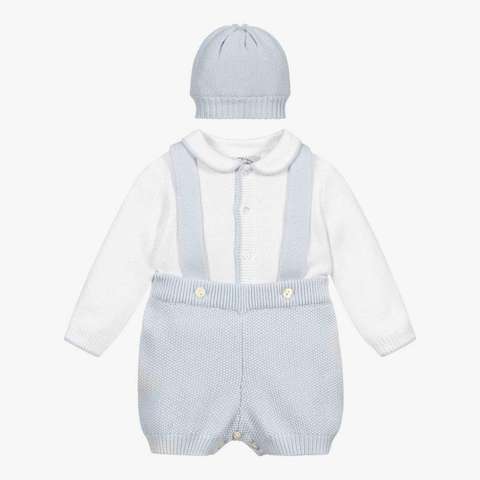
One key engineering challenge lies in ensuring that printed designs do not compromise the breathability or durability of the fabric. To achieve this, engineers utilize technologies like sublimation printing, which allows the dyes to penetrate the fibers without adding additional layers. This results in lightweight, vivid designs that maintain the natural properties of bamboo fabric.
Eco-Friendly Manufacturing Process
Bamboo-based textiles are hailed for their sustainability. However, the machinery and processes involved also play a role in minimizing ecological footprints. Many manufacturing units now adopt energy-efficient machines and water recycling systems, contributing to a greener production cycle.
For businesses in the textile industry, the combination of bamboo’s renewable nature and an eco-friendly production process provides a compelling value proposition. Engineers are constantly innovating to refine machinery and reduce waste further, ensuring that kids’ bamboo pajamas become emblematic of sustainability and comfort.
: Engineering Precision Meets Textile Innovation
The production of kids bamboo pajamas character designs is a testament to the intersection between engineering proficiency and textile creativity. GSM and fabric density metrics, coupled with advanced industrial machinery, ensure that every piece meets high standards of quality, comfort, and eco-consciousness.
As businesses continue to innovate, these technical aspects will evolve further, driving new possibilities in bamboo-based garments. For manufacturers and distributors, understanding these details is essential to remain competitive in a dynamic market. Bamboo pajamas are not merely products—they are an effort to engineer trust, sustainability, and care into every fiber.
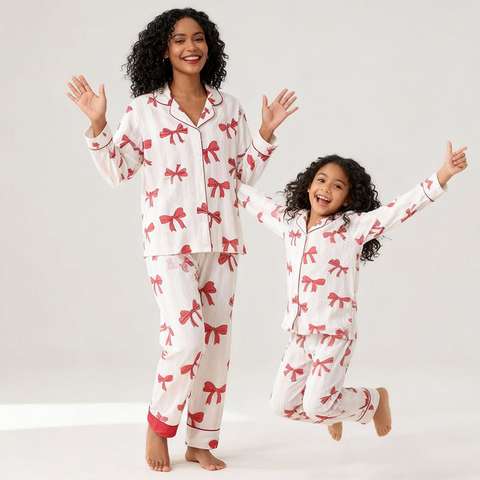
| Fabric Type | Pima Cotton |
| Compliance | CPC Certified |
| Customization | ODM |
| Lead Time | 18 Days |