Odm Pajamas Sets Private Label Supplier
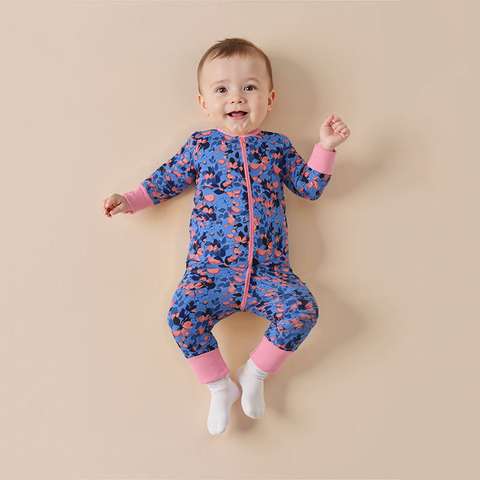
How GSM, Fabric Density, and Industrial Machinery Shape Pajama Set Manufacturing
In the textile industry, the production of pajama sets marries comfort with precision engineering. Key factors like GSM (grams per square meter), fabric density, and industrial machinery are at the core of the process, ensuring the final product meets industry standards and customer expectations. This article delves into the technical aspects of pajama manufacturing, breaking down the science behind material selection, production techniques, and the machinery that drives efficiency.
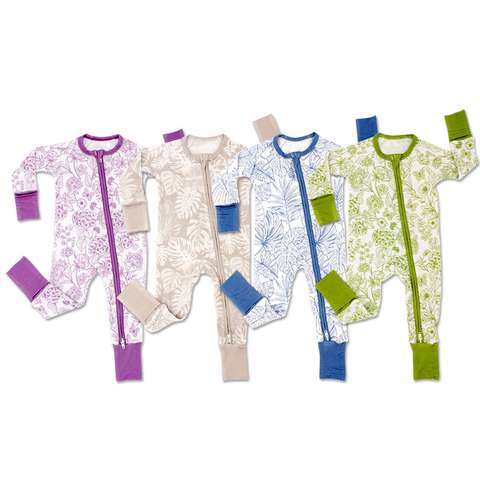
Understanding GSM and Its Importance
GSM, or grams per square meter, measures the weight of fabric for a given area. This metric is a critical indicator of fabric quality in pajama manufacturing. Pajama sets typically prioritize lightweight to mid-weight fabrics for optimal comfort, particularly in warmer climates. However, GSM also directly impacts durability and softness.
What GSM Means for Pajama Comfort
For pajama sets, a balance is necessary—fabrics around 150-250 GSM tend to deliver softness and breathability without compromising durability. Lightweight fabrics in the range of 100-150 GSM are suited for summer wear, offering excellent airflow but may lack longevity. In contrast, heavier GSM values, closer to 300, are better for winter pajamas, providing more insulation but less pliability.
Optimal GSM Specifications
When specifying GSM for production, manufacturers need to consider the intended audience and climate. For children’s pajamas, fabrics with lower GSM values are preferred to enhance softness, while adult loungewear pajamas may lean towards slightly higher GSM to ensure extended wear and tear resistant properties, achieved through denser knitting or weaving.
The Role of Fabric Density in Pajama Durability
Fabric density refers to the number of fibers packed into a specific area, such as per square inch or centimeter. High-density fabrics are less prone to wear and tear, which is crucial for maintaining garment longevity, particularly for cozy pajama sets designed for everyday use.
Balancing Softness and Durability
While fabric density is closely related to GSM, it provides additional insight into tactile properties and structural integrity. Low-density fabrics are softer and more breathable but may lack durability. In contrast, high-density fabrics, while robust, may sacrifice comfort and pliability. Successful pajama designs often find a middle ground, incorporating medium-density fabrics that provide both comfort and lifespan.
Impact of Weave & Knit Patterns on Density
Weave and knit patterns directly influence the density of the fabric. For instance, a tightly woven plain weave will naturally result in a higher density and smoother surface, ideal for winter or premium pajama sets. Knitted fabrics, on the other hand, feature loops that reduce density but increase flexibility and stretch, making them a preferred choice for loungewear and maternity pajamas.
Industrial Machinery and Its Role in Efficiency
From cutting-edge looms to automated sewing machines, industrial machinery is pivotal to the efficiency and scalability of pajama set production. Modern textile equipment not only increases production speed but also ensures consistency across large batches, which is critical in meeting B2B demands.
Textile Machinery for Fabric Formation
The first step in pajama set manufacturing involves fabric formation. Circular knitting machines are widely employed to produce stretchier fabrics often used in pajama bottoms or leisurewear-style tops, while flat knitting or weaving machines create non-stretchy, high-density fabrics ideal for formal pajama tops. Sophisticated machinery can now adjust GSM and weave density within a single production cycle, providing flexibility for product diversification without significant downtime.
Cutting, Sewing, and Finishing Machines
After fabric formation, industrial cutting machines precisely cut materials into pajama components, ensuring minimal waste. Computerized pattern-cutting devices are predominantly used to meet tight tolerances. Sewing and serging machines are then employed to assemble the garments. Modern machines with programmable setups allow for consistent stitch types and seam structures, ensuring quality across every piece.
Material Selection: A Key Consideration
Another critical factor in pajama set manufacturing is material selection. Popular options include cotton, polyester blends, bamboo, and modal. The choice of material impacts not only the feel and performance of the pajama but also costs, production efficiency, and environmental considerations.
Cotton Fabrics
Cotton remains a popular choice due to its softness, breathability, and natural origin. From lightweight voile for summer pajamas to thicker cotton flannel for winter, cotton offers versatility across a range of GSM specifications. However, its shrinkage tendencies necessitate precise pre-treatment during production.
Synthetic Fabric Options
Polyester and its blends are favored for their durability and cost-effectiveness. Unlike cotton, polyester has minimal shrinkage and is wrinkle-resistant, making it an ideal candidate for large-scale production. Blends such as poly-cotton offer a middle ground, incorporating natural fibers for softness and synthetic fibers for strength.
Sustainability Challenges and Innovations
The textile and garment manufacturing industry is under increasing scrutiny for its environmental impact. However, advancements in material sourcing, production technologies, and machinery adaptation are helping mitigate these challenges.
Eco-Friendly Fabrics in Pajama Sets
Fabric innovations like bamboo viscose and organic cotton are gaining traction due to their eco-friendliness. Bamboo, for instance, requires less water and pesticides than cotton, making it a sustainable alternative for lightweight and breathable pajama sets. These materials also align with increasing consumer demand for environmentally responsible garments.
| Fabric Type | Pima Cotton |
| Compliance | OEKO-TEX 100 |
| Customization | ODM |
| Lead Time | 34 Days |
Reducing Waste with Smart Technology
Industrial machinery has evolved to incorporate smart technologies that minimize fabric waste during production. Laser cutting technology, for instance, offers unparalleled precision while maximizing usable fabric from each roll. Additionally, fully automated sewing lines are reducing human error and material wastage, ensuring a sustainable production process.
: The Intersection of Science and Comfort
The production of pajama sets is a complex, multi-layered process that combines material science, engineering precision, and advanced machinery. By optimizing GSM, balancing fabric density, and leveraging state-of-the-art industrial equipment, manufacturers can create pajama sets that are comfortable, durable, and highly marketable. In an era of increased technical and environmental demands, the ability to produce premium-quality sleepwear rests on mastering these pivotal aspects of manufacturing.