Custom Bamboo Pajamas Wholesale Tools Oekotex 100 Manufacturer

Bamboo Pajamas Wholesale: Tools, Techniques, and Efficiency
The rise of sustainable fabrics in the textile industry has brought bamboo into the spotlight. Known for its softness, breathability, and eco-friendliness, bamboo fabric is an excellent option for creating luxurious pajamas. In wholesale manufacturing, producing bamboo pajamas efficiently and at scale requires a deep understanding of fabric properties like GSM (grams per square meter), fabric density, and the industrial machinery involved. This article dives into these technical considerations, focusing on tools and techniques used to optimize wholesale production.

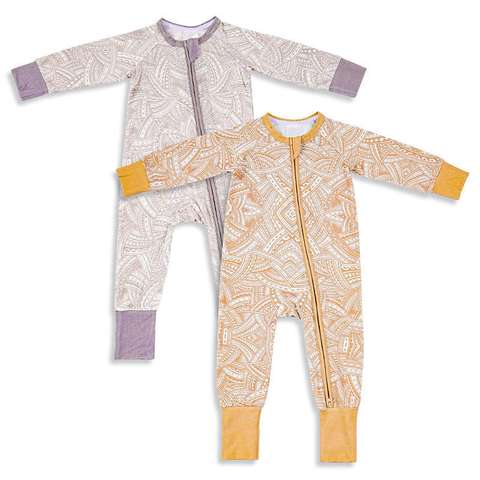
The Role of GSM and Fabric Density in Bamboo Pajamas
Before discussing tools, it is crucial to understand the foundational elements of bamboo fabric: GSM and fabric density. These two parameters directly impact the comfort, drape, and durability of bamboo pajamas, which are key selling points in the wholesale market.
What is GSM?
Grams per square meter (GSM) measures the weight of fabric over a square meter area. For bamboo pajamas, manufacturers typically aim for a GSM value between 150 and 250. Lower GSMs result in lightweight and breathable fabric ideal for warmer climates, while higher GSMs offer a thicker, cozier feel for cooler environments. Correct calibration of GSM in bulk production ensures consistency across lots, a must in wholesale manufacturing.
Understanding Fabric Density
Fabric density is another critical factor that refers to the tightness of the yarn in the fabric. For pajamas, moderate density is preferred—enough to maintain durability while ensuring breathability. Too high a density can make the fabric stiff, reducing comfort. Optimal density configurations must be programmed into weaving or knitting machinery to ensure uniformity batch after batch.
Key Industrial Machinery for Bamboo Pajamas Production
Once the target GSM and fabric density are determined, the next step involves selecting appropriate industrial machinery. For bamboo fabric production and subsequent conversion into pajamas, a carefully curated set of tools and machines is essential for scaling operations efficiently.
Spinning Machines for Bamboo Yarn
The production process begins with bamboo fibers, which are transformed into yarn through spinning. Machines such as rotor spinning or air-jet spinning systems are widely used to process bamboo fibers. Air-jet spinning is particularly advantageous for bamboo, as it allows for high-speed production while maintaining optimal yarn strength and smoothness.
Warp Knitting Machines or Circular Knitting Machines
Once the bamboo yarn is spun, it is converted into fabric. Warp knitting and circular knitting machines are common choices for creating bamboo fabric. For bamboo pajamas, circular knitting machines are preferred due to their ability to produce stretchable, soft, and lightweight fabrics. These machines must be configured carefully, especially in terms of needle gauge and loop settings, to achieve the desired GSM and density.
Dyeing and Finishing Machinery
Bamboo fabrics are often dyed to create vibrant palettes for pajamas. Soft flow dyeing machines or jet dyeing machines are effective for bamboo fabric, given its high absorbency. After dyeing, finishing machinery—like calenders or compactors—ensures the fabric achieves a smooth, soft touch while retaining its drape strength. Automated finishing systems can also standardize processes, improving efficiency at scale.

Cutting and Sewing Equipment
The final stages of production involve cutting the fabric into pajama patterns and sewing them into finished garments. Automated fabric cutting machines (laser-cut or blade systems) ensure precise cuts with minimal waste. For sewing, industrial overlock sewing machines are often used in tandem with flatlock machines to provide durable and seamless joins for comfort and style.
Advanced Tools for Quality Control
In the competitive wholesale market, ensuring consistency and quality is paramount. Advances in technology provide tools to monitor and enhance the production process, ensuring that every batch of bamboo pajamas meets the target specifications.
GSM Testing Machines
GSM testing machines are indispensable for ensuring fabric consistency. These machines measure the weight of fabric samples and verify they meet the intended GSM range. Automated GSM testers improve efficiency, offering quick and precise readings.
Fabric Strength and Stretch Testing
The tensile strength and elasticity of bamboo fabric must be tested to confirm its durability and suitability for pajamas. Tensile testing machines and stretch testers simulate wear and tear to ensure the material withstands frequent washing and use without degrading.
| Fabric Type | Organic Bamboo |
| Compliance | GOTS Organic |
| Customization | Tailor-made |
| Lead Time | 25 Days |
Color Fastness Testers
For dyed bamboo pajamas, color retention is vital. Color fastness testers check the fabric's resistance to washing, rubbing, and exposure to sunlight, ensuring wholesale buyers receive products that will satisfy end-users.
Enhancing Efficiency in Bamboo Pajamas Wholesale Tools
While selecting the right tools ensures production quality, optimizing efficiency is equally crucial, particularly in wholesale markets where margins may be tight. Below are some engineering strategies to maximize productivity and reduce costs:
Automation and IoT Integration
Modern industrial machinery often incorporates automation features or can be enhanced with IoT (Internet of Things) sensors. These technologies provide real-time monitoring and analysis, ensuring machines operate at peak efficiency, reducing downtime, and minimizing cycle times. Smart fabric inspection systems, for example, can automatically detect defects, reducing waste and improving the quality of end products.
Energy-Efficient Equipment
Many manufacturers are moving toward energy-efficient machinery to reduce operational costs and environmental impacts. For instance, dyeing machines with optimized heat exchangers significantly lower energy consumption during processes like fabric dying.
Maintenance Management Systems
Preventative maintenance software solutions allow manufacturers to track machinery performance and schedule maintenance before breakdowns occur. This minimizes production disruptions and ensures the continuity of bulk operations, which is essential for meeting wholesale deadlines.
Key Takeaways
Bamboo pajamas are not just a trend; they are shaping the future of sustainable clothing. However, building a successful wholesale business around bamboo pajamas requires more than knowing the trends—it demands a thorough understanding of GSM, fabric density, and the industrial machinery involved.
By leveraging advanced spinning, knitting, and cutting machines alongside quality control tools like GSM testers and automated inspection systems, manufacturers can ensure a consistent, high-quality product. Pairing these tools with energy-efficient systems and IoT integration can further optimize operations, helping businesses stay competitive in a demanding market.
For businesses entering the bamboo pajamas wholesale market, investing in the right tools, practicing rigorous quality control, and focusing on operational efficiency will set the stage for success. With bamboo’s position as an eco-friendly material growing stronger by the day, now is the perfect time to scale sustainably.