Odm Ready To Ship Bamboo Pajamas Custom Supplier
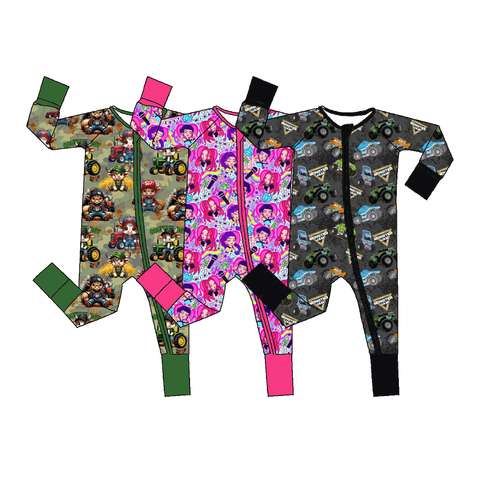
Ready to Ship Bamboo Pajamas: A Technical Perspective
Bamboo pajamas have become a cornerstone of sustainable fashion, combining eco-friendliness with ultimate comfort. For businesses involved in producing these garments, it’s important to consider key technical factors like GSM (grams per square meter), fabric density, and the role of advanced industrial machinery in the manufacturing process. These elements play an integral role in ensuring high-quality production, quick delivery, and market competitiveness. This article will dive into the technicalities that make bamboo pajamas a standout product while highlighting why they are ideal as ready-to-ship items.

Understanding GSM and Its Impact on Bamboo Pajamas
What Is GSM and Why Does It Matter?
GSM, or grams per square meter, is a critical measurement in the textile industry. It denotes the weight of the fabric and is a defining factor in how a garment feels, performs, and sustains wear over time. For bamboo pajamas, GSM influences the product quality by regulating properties like softness, durability, and breathability. The typical GSM range for bamboo pajama fabrics falls between 150 to 300, depending on the balance of lightweight comfort and sturdy construction desired by the market.
The Ideal GSM for Bamboo Pajamas
For pajamas, a GSM range of 180 to 250 is widely considered optimal. This range ensures that the fabric is not too light to compromise durability nor too heavy to impact breathability. Fabrics within this GSM range possess the ideal balance for moisture-wicking and thermal regulation, two key properties of bamboo textiles. Manufacturers aiming for ready-to-ship bamboo pajamas should specify precise GSM requirements to fabric suppliers to streamline production and meet consumer demand effectively.
Balancing GSM and Cost Efficiency
While maintaining the right GSM can enhance the quality of the final product, it is also tied closely to production costs. Heavier fabrics with higher GSM generally require more raw material, which increases material costs. Conversely, lower GSM fabrics may reduce costs but could negatively impact consumer perceptions of quality. Thus, achieving the ideal GSM becomes a balancing act for manufacturers who aim to optimize both quality and affordability for ready-to-ship bamboo pajamas.
The Role of Fabric Density in Bamboo Pajamas
Defining Fabric Density
Fabric density refers to the tightness of the weave or knit structure in a material. It is an essential technical parameter in textile engineering that determines the feel, opacity, and durability of garments. For bamboo pajamas, fabric density complements GSM to deliver a product that is both cozy and long-lasting.
Fabric Density and Consumer Comfort
Higher-density fabrics provide increased opacity and a smoother surface, making them ideal for garments intended to be worn close to the skin, like pajamas. In bamboo pajamas, a higher density ensures better insulation during cold seasons and enhances the lifespan of the garment through multiple wear-and-wash cycles. However, manufacturers must find a balance; excessive density can lead to a less breathable structure, which clashes with the natural moisture-wicking properties of bamboo.
Fabric Density in Knit vs. Woven Bamboo Pajamas
Depending on the fabric construction, bamboo pajamas can be either knit or woven. Knit fabrics typically offer better stretch and comfort, making them a popular choice for sleepwear. Woven fabrics, on the other hand, are less elastic but provide higher durability and resistance to tears. By optimizing fabric density during the manufacturing process, businesses can cater to different market segments while maintaining high product standards.
Industrial Machinery in Bamboo Pajama Production
Advanced Machinery for Precision Manufacturing
Efficient manufacturing of bamboo pajamas relies heavily on industrial machinery. Advanced knitting and weaving machines are designed to handle bamboo fibers with precision, delivering high-quality fabric with uniform GSM and density. For instance, circular knitting machines are commonly used to produce seamless and skin-friendly bamboo pajama fabrics with minimal waste. Similarly, computerized weaving machines enable factories to create intricate patterns and consistent textures tailored to the design specifications.
Automation for Ready-to-Ship Efficiency
The ability to meet demand for ready-to-ship bamboo pajamas is closely tied to automation in manufacturing. Automated cutting and sewing machines ensure production runs are faster and more consistent, reducing lead times significantly. Additionally, programmable machines allow manufacturers to customize features such as cuts, stitching patterns, and embellishments with minimal retooling. This level of efficiency is crucial for responding to large wholesale orders and meeting tight deadlines.
| Fabric Type | Pima Cotton |
| Compliance | ASTM F963 |
| Customization | OEM |
| Lead Time | 33 Days |
Sustainability and Waste Reduction Through Machinery
Bamboo fabric is celebrated for its eco-friendly attributes, such as being biodegradable, fast-growing, and requiring less water to cultivate compared to traditional cotton. To maintain sustainable practices, many manufacturers invest in advanced waste reduction technologies within their machinery. Laser cutting machines, for example, reduce fabric waste during the cutting process, while waterless dyeing machines minimize water usage, aligning with the sustainable ethos of bamboo pajamas.
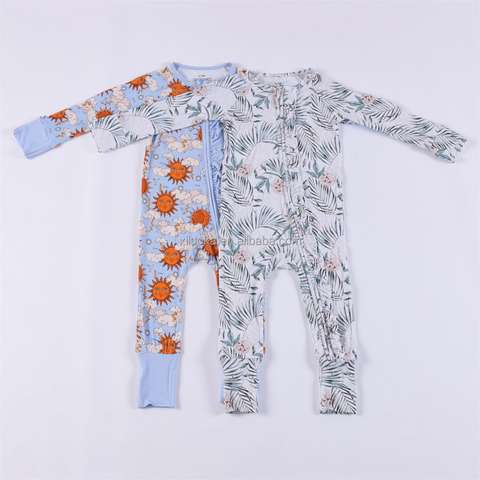
Why Bamboo Pajamas Are Ideal as Ready-to-Ship Items
Consumer Demand for Eco-Friendly Products
The market for sustainable apparel, including bamboo pajamas, is growing rapidly. Modern consumers are increasingly conscious of their environmental footprint and are drawn to products that align with their values. The natural softness, anti-bacterial properties, and sustainability of bamboo pajamas make them a desirable option for eco-conscious customers. For wholesalers, stocking ready-to-ship bamboo pajamas provides a reliable inventory of high-demand products that align with current market preferences.
Customizable Yet Streamlined Production
Bamboo pajamas are also inherently versatile, allowing businesses to stock a variety of styles, colors, and sizes without complicating the production process. By leveraging advanced machinery and maintaining strict GSM and fabric density standards, manufacturers can produce customizable garments that are ready to ship with minimal downtime. This adaptability is especially valuable for retailers and distributors who cater to diverse customer preferences.
Logistical Advantages of Ready-to-Ship Bamboo Pajamas
Given their lightweight and compact nature, bamboo pajamas are an ideal product for streamlined shipping and storage. Their relatively high value-to-size ratio makes them efficient to transport and reduces associated costs for distributors. Additionally, the durability and wrinkle-resistant properties of high-density bamboo fabric help ensure that the product arrives at its destination in pristine , enhancing customer satisfaction and minimizing returns.
The production and availability of ready-to-ship bamboo pajamas hinge on a deep understanding of technical parameters like GSM, fabric density, and the contributions of industrial machinery. For B2B businesses, investing in this knowledge and leveraging advanced technology can result in a high-quality, eco-friendly product that resonates with modern consumers. By balancing these fundamental aspects with efficiency and sustainability, manufacturers and distributors can position themselves effectively in the competitive textile market while championing environmentally responsible practices.