Odm Pajama Set Bamboo Oekotex 100 Supplier
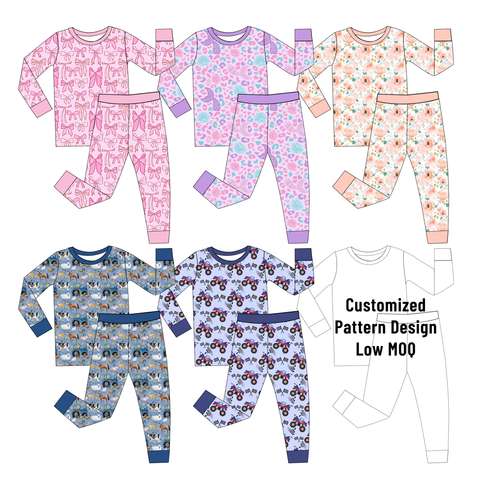
The Science of Bamboo Pajama Sets: Exploring GSM, Fabric Density, and Machinery
Bamboo fabric has gained immense popularity over recent years, especially in the production of high-quality sleepwear such as pajama sets. Its sustainable nature, softness, and moisture-wicking properties make it an ideal fabric of choice. However, from a production standpoint, crafting bamboo-based textiles is a highly technical process that involves meticulous consideration of factors like GSM (grams per square meter), fabric density, and the deployment of specialized industrial machinery. This article delves into the intricacies of this process, aimed at businesses and stakeholders within the textile industry.
Understanding GSM and Its Role in Bamboo Pajama Fabric
GSM, or grams per square meter, is arguably one of the most critical metrics when discussing fabric performance. It provides an objective measurement of the fabric's weight and thickness, influencing properties like durability, breathability, and drapability.
For bamboo pajama sets, manufacturers often target a GSM range between 150 and 250. Fabric below the 150 GSM range may feel too sheer and lightweight for sleepwear, whereas anything above 250 GSM can be excessively heavy, impacting comfort. The sweet spot typically lies around 180-200 GSM, providing an optimal balance of softness, opacity, and durability.
From an engineering perspective, achieving precise GSM for bamboo fabric is a controlled process. Key manufacturing stages—including spinning, weaving or knitting, and finishing—must all align to produce fabric with the desired weight. Instruments such as GSM cutters and sample boards are used throughout production lines to ensure that fabric stays within predefined GSM tolerances.
Fabric Density and Its Impact on Texture and Performance
Closely linked to GSM, fabric density refers to the number of threads or yarns within a specific area of textile, typically measured per square inch. While GSM measures the weight, fabric density measures the compactness of the yarns and their woven structure—a high-density fabric has tightly packed threads, contributing to increased durability and smoother textures.
Bamboo fibers are characteristically fine and long, allowing manufacturers to create dense yet soft fabrics. For pajama sets, a high-quality bamboo fabric usually has a thread density of 200-400 threads per inch (TPI). This ensures a luxurious feel without compromising breathability or flexibility.
Adjusting thread density during production requires precision. Advanced weaving or knitting machines are calibrated to ensure consistent spacing between yarns. Any deviation in density can lead to uneven textures or reduced mechanical properties of the fabric. Consistency in thread count directly translates to better quality control, an essential factor for premium bamboo textiles valued in the B2B market.
Industrial Machinery: From Bamboo Fiber to Pajama Sets
The transformation of raw bamboo into a finished pajama set is heavily reliant on advanced textile machinery. Below is a breakdown of the critical machinery and processes involved in manufacturing bamboo-based sleepwear.
1. Bamboo Fiber Extraction
The process begins with bamboo plant stalks, which are broken down into fibers. For mechanically-made bamboo fibers, machinery such as crushing mills and refining extractors are used. This labor-intensive step requires crushing the bamboo into a pulp, which is then soaked in eco-friendly enzymatic solutions to soften the fibers. High-pressure rollers complete the extraction process, resulting in bamboo fiber that is ready for spinning.
2. Yarn Spinning
Bamboo fibers are spun into yarns using ring-spinning or open-end spinning machines. Ring-spinning, in particular, produces finer and smoother yarns, making it the preferred choice for high-end pajama fabrics. Modern spinning setups use computer-aided control mechanisms to ensure uniformity and eliminate irregularities in the yarn's thickness, directly affecting the softness and longevity of the finished garment.
3. Weaving and Knitting
The next step involves converting yarns into fabric. Depending on the desired properties, bamboo pajama sets can be made using woven or knitted fabric. Knitted fabrics, typically crafted on circular knitting machines, offer stretch and breathability, essential for comfort in sleepwear. On the other hand, woven fabrics are more structured and less elastic, often used for pajama styles that emphasize a crisp fit.
Computerized looms and knitting machines ensure uniformity in fabric density and enable high-speed production without compromising on quality. Manufacturers can adjust settings to produce various weave types such as plain, twill, or sateen, tailoring the fabric's texture to specific pajama designs.
4. Fabric Finishing
Once the fabric is woven or knitted, it undergoes finishing treatments to enhance its attributes. Softening agents may be applied to accentuate the naturally smooth feel of bamboo fibers, while moisture-wicking and anti-bacterial treatments enhance hygiene and functionality. Continuous and batch finishing machines are pivotal to maintaining consistency in these final treatments, ensuring that every yard of fabric meets quality standards.
5. Cutting and Sewing
The final stage involves garment construction. Laser cutting machines and automated pattern cutters ensure precision in cutting, reducing waste while preparing the fabric for sewing. Sewing machines, often equipped with programmable settings, stitch the pajama sets together with dimensional accuracy. Multi-needle lockstitch machines are a preferred choice for high-stress seams, ensuring durability over repeated wear.

Technology Advancements in Bamboo Pajama Manufacturing
Engineering and technological advancements have significantly improved the production of bamboo-based textiles over the years. Today, the incorporation of computer-aided design (CAD) and computer-aided manufacturing (CAM) tools enables manufacturers to optimize cutting layouts, reducing material waste while improving pattern accuracy.
Similarly, AI-driven monitoring systems now play a critical role in quality control. These systems can automatically detect variations in GSM, fabric density, and tensile properties, minimizing defects and ensuring industrial standards are upheld. For businesses aiming to tap into high-volume production of bamboo pajama sets, such innovations represent a vital investment, driving efficiency and profitability.
| Fabric Type | Pima Cotton |
| Compliance | OEKO-TEX 100 |
| Customization | Private Label |
| Lead Time | 31 Days |
The Sustainability Edge of Bamboo Pajamas
Another aspect that makes bamboo pajama sets stand out in the textile industry is their sustainability. Bamboo is a renewable resource that grows rapidly without requiring pesticides or excessive water. Additionally, implementing closed-loop production processes ensures that chemicals used in the fiber extraction phase are captured and recycled, minimizing environmental impact.
From an engineering standpoint, the emphasis on sustainable practices extends to machinery design. Manufacturers are increasingly adopting low-waste equipment and energy-efficient machinery. Dyeing and finishing processes now often use waterless or low-water systems, which align with global sustainability goals, further appealing to conscious consumers and businesses.
: Precision in Bamboo Pajama Manufacturing
The world of bamboo pajama set manufacturing is a sophisticated blend of science, engineering, and sustainability. From determining the perfect GSM to refining fabric density and leveraging cutting-edge machinery, every stage demands precision and technological innovation. For businesses operating in the textile sector, understanding these aspects is key to delivering high-quality products that meet both consumer expectations and industry standards.
As demand for bamboo sleepwear continues to rise, investing in optimized machinery, sustainable practices, and stringent quality controls can serve as a competitive advantage. By mastering these technical elements, manufacturers can position themselves at the forefront of the market, catering to an audience that values comfort, quality, and responsibility.