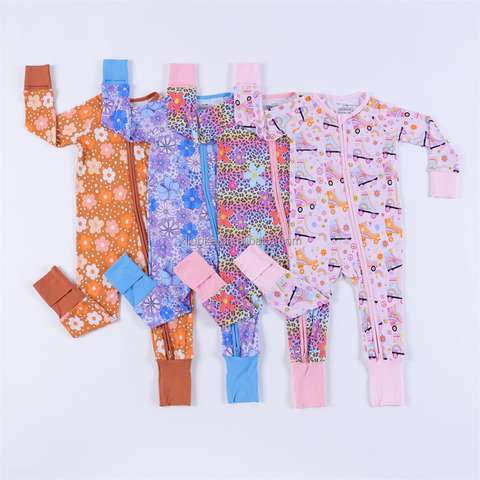
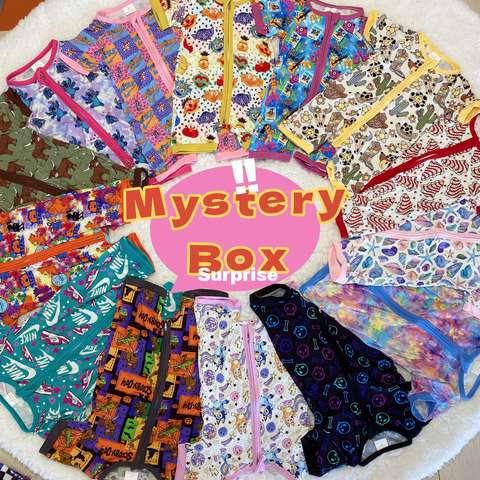
Oekotex 100 Baby Winter Romper Suit Custom Supplier
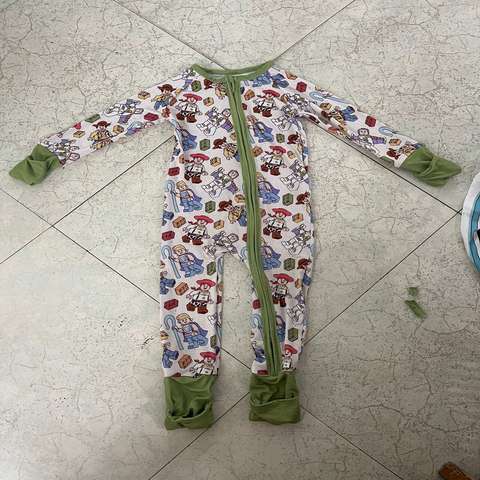
Understanding GSM and Fabric Density in Baby Winter Romper Suits
In the manufacturing of baby winter romper suits, two key factors that determine the product's durability, warmth, and comfort are GSM (grams per square meter) and fabric density. These technical parameters are critical in ensuring the garment meets both industry standards and customer expectations, especially as parents prioritize comfort and safety for their infants during the cold winter months.
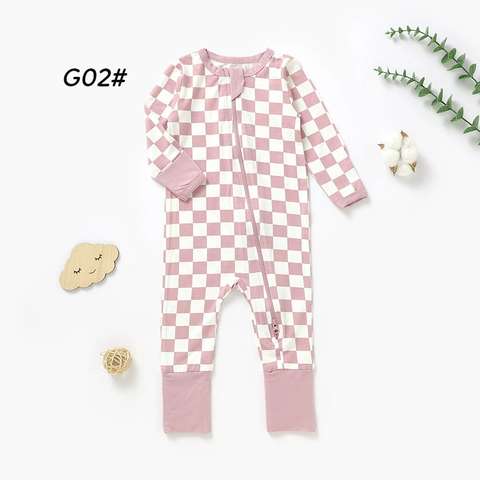
By delving into the specifics of GSM and fabric density, manufacturers and industrial suppliers can optimize production processes and materials to deliver high-quality, competitive products. In this article, we explore how GSM, fabric density, and the machinery used in production contribute to successful baby winter romper suit outputs for B2B clients.
What Is GSM and Why Does It Matter?
GSM stands for grams per square meter—a measurement of fabric weight and thickness. In the context of baby winter romper suits, GSM plays a pivotal role. Typically, winter fabrics range from 200 GSM for lightweight fleece to over 400 GSM for heavy, insulated textiles. For baby rompers, the ideal GSM generally falls between 300 and 400 GSM, balancing warmth and breathability while maintaining softness for infants’ delicate skin.
High-GSM fabrics offer better insulation, which is crucial for winter wear. However, manufacturers must also ensure the material is not too heavy, as this could compromise comfort and mobility for the baby. A well-calibrated GSM value ensures warmth without causing overheating—a common concern in infant products.
Fabric Density: Strength and Durability
Fabric density is a technical parameter often overlooked in textile manufacturing but plays a significant role in the strength and durability of the finished product. Density refers to the thread count or the number of yarns woven together in a specific area of fabric. Higher density fabrics are more robust, offering enhanced resistance to wear and tear—an essential feature for baby romper suits used in winter activities such as crawling and playing.
Manufacturers commonly use tightly-woven fabrics, such as twill or interlock, to increase the density without compromising softness. Combining high GSM with appropriate fabric density allows for a garment that is durable enough to withstand repeated washes and active use while remaining cozy and comfortable for infants.
Industrial Machinery in Baby Winter Romper Suit Production
Key Machinery for Fabric Preparation
Before cutting and sewing the fabric into romper suits, industrial machinery plays a critical role in fabric preparation. Machines like warp knitting machines, circular knitting machines, and weaving looms are commonly used to create flexible yet durable textiles suitable for winter romper suits.
Circular knitting machines are particularly advantageous for producing soft, seamless fabrics like jersey knit, which are ideal for babies. These machines can handle both natural fibers like cotton and synthetic options like polyester blends. On the other hand, weaving looms are perfect for denser fabrics such as twills and fleece, ensuring the garments are warm and sturdy enough for winter conditions.
Cutting and Assembly: Precision and Consistency
Once the fabric is prepared to the proper GSM and density specifications, cutting and assembly machinery comes into play. Automated cutting machines with precision laser or rotary blade systems ensure that each fabric panel matches predetermined dimensions, reducing waste and improving production efficiency.
Sewing and serging machines then take over to assemble the romper suits. For baby products, specialized flatlock sewing machines are often used to create smooth, comfortable seams that do not irritate sensitive skin. Automated sergers also contribute to enhanced durability by neatly stitching raw edges, reducing wear and tear through frequent use.
Heat Setting and Surface Treatments
Fabric finishing includes heat setting and surface treatments that enhance the properties of the baby winter romper suit. For example, industrial heat-setting machines apply controlled heat to stabilize the dimensions of synthetic fabrics, ensuring no shrinkage after washing. Additionally, surface treatments like brushing, anti-pilling, or anti-static coatings can further improve the texture and longevity of the rompers.
A key innovation in this area is the use of rotary brushing machines, which gently raise fibers on the fabric surface, creating a plush, insulating feel perfect for winter garments.
Balancing Technical Specifications for Baby Comfort
Textile Composition and Functionality
The composition of the textile fibers significantly influences performance and comfort. Common materials for baby winter romper suits include high-quality cotton blends, bamboo-derived rayon, and polyester fleece. Cotton offers softness and breathability, while synthetic fabrics provide strength, elasticity, and moisture-wicking properties—ideal for winter wear.
Manufacturers often blend materials to balance these attributes while maintaining compliance with safety certifications such as OEKO-TEX Standard 100, which ensures that textiles are free from harmful chemicals.
Temperature Regulation and Insulation
One of the most important aspects of a baby winter romper suit is its ability to provide insulation while facilitating temperature regulation. High-GSM brushed fleece fabrics are popular choices due to their superior insulating properties. However, over-reliance on synthetic fleece can sometimes lead to overheating. By introducing breathable layers or moisture-wicking linings—processed using advanced machinery such as lamination units—manufacturers can maintain the ideal balance.
A recent trend in winter wear technology is the use of microclimate meshes and phase-change materials (PCMs) embedded into the romper lining. These innovative solutions allow garments to adapt to ambient temperature shifts, further enhancing comfort for babies while meeting technical demands.
Safety and Compliance Standards
In the B2B marketplace, safety compliance is an essential topic, especially for infant apparel. Baby winter romper suits must adhere to stringent safety standards to gain approval for retail. This includes ensuring high-quality dyes and avoiding loose threads, components, or small detachable accessories that could pose choking hazards.
To meet these criteria, industrial machinery such as ultrasonic cutting systems and reinforced hemming machines are often employed for seamless and secure finishes. Quality assurance processes also involve rigorous testing—such as wear-and-wash cycles and temperature stress tests—to validate the fabric’s performance under real-life conditions.
Efficient Production Processes Using Advanced Machinery
Streamlining Production Timelines
Efficient production in the textile industry requires synchronization between fabric preparation, assembly, and finishing. Advanced industrial machinery and software solutions, such as Computerized Numeric Control (CNC) systems or IoT-integrated looms, allow manufacturers to streamline production timelines while ensuring precise customization for B2B clients.
Implementing these systems reduces downtime, optimizes supply chain management, and enhances scalability, making it easier for manufacturers to fulfill high-volume orders during peak seasons without compromising on quality.
Minimizing Waste and Resource Usage
Modern production methods aim to minimize waste and use resources optimally. Machinery equipped with fabric yield optimization algorithms can calculate the most efficient cutting patterns, reducing waste significantly. For manufacturers supplying B2B companies, this translates to cost savings and environmentally friendly practices—a growing demand in the textile sector.
Additional advancements include waterless dyeing technologies and energy-efficient knitting machines, both of which are commonly employed in factories producing eco-friendly baby winter romper suits. These technologies not only cater to sustainability trends but also align with clients' brand values.
The production of baby winter romper suits is an intricate process that integrates GSM, fabric density, and cutting-edge industrial machinery. By understanding these technical aspects, manufacturers and suppliers can deliver high-quality, safe, and comfortable apparel to B2B buyers while maintaining competitive efficiency and eco-conscious practices.
| Fabric Type | Pima Cotton |
| Compliance | GOTS Organic |
| Customization | Custom |
| Lead Time | 16 Days |
From material selection to advanced production technologies, every detail contributes to the success of winter garments designed for infants. For businesses in this space, harnessing the power of innovation and precision is key to meeting market demands and delivering top-tier products to retailers and wholesalers globally.