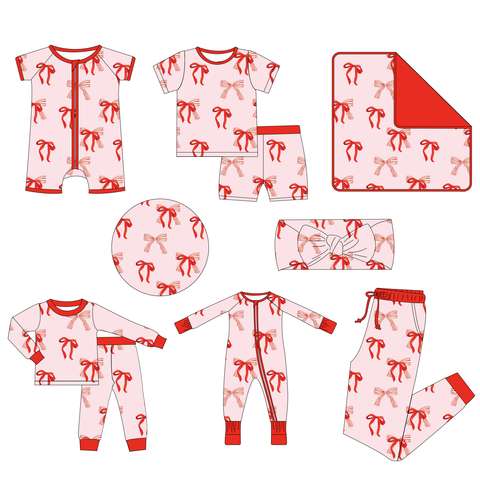
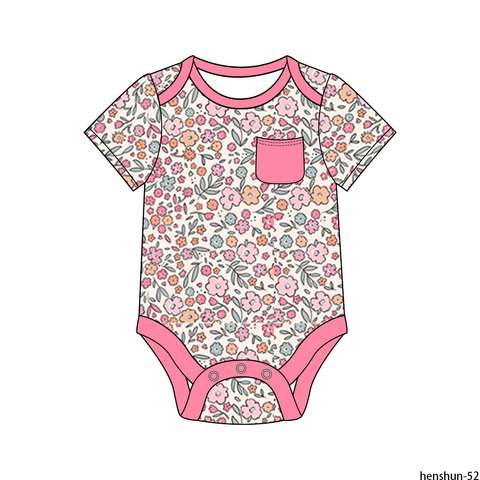
Oekotex 100 Baby Girl Baby Short Sleeve Bamboo Baby Romper Baby Girl Baby Rompers Wholesale Hot Sale Custom Baby Girls Zippy Apparel Oem Wholesale
Technical Overview of Bamboo Baby Rompers Production and Distribution
In the evolving world of baby apparel, bamboo baby rompers have gained significant attention. This article delves into the technical aspects of producing and distributing these garments, focusing on GSM (grams per square meter), fabric density, and industrial machinery. Bamboo fabric, renowned for its sustainability and softness, is particularly suitable for baby clothing. Understanding these technical details is crucial for businesses seeking wholesale opportunities in the realm of custom baby girl clothing.
Understanding GSM and Fabric Density
GSM, which stands for grams per square meter, is a critical parameter in textile manufacturing that influences the feel and quality of a fabric. It's particularly significant in baby apparel, where comfort and durability are paramount. Bamboo fabric typically ranges between 180 to 300 GSM, providing a balance between softness and robustness. Higher GSM indicates thicker fabric, which enhances durability but may affect breathability. Fabric density complements GSM by measuring the compactness of fibers within the weave, impacting both elasticity and insulation.
Significance of Bamboo Fabric in Baby Apparel
Bamboo fabric is increasingly popular in baby clothing due to its hypoallergenic properties and inherent antibacterial characteristics. These features make it ideal for sensitive baby skin. Compared to conventional textiles, bamboo fabric boasts superior moisture-wicking capabilities, keeping the baby dry and comfortable. Such benefits enhance the appeal of bamboo fabric in wholesale baby romper production, aligning perfectly with consumer demands for eco-friendly and safe baby products.
Industrial Machinery in Bamboo Fabric Production
The production of bamboo baby rompers involves advanced machinery to ensure precision and quality. Automated cutting machines are employed to cut bamboo fabrics accurately, minimizing waste and optimizing material use. Sewing machines equipped with feature-rich interfaces allow operators to configure designs swiftly, adapting to custom wholesale orders. These machines enhance efficiency and scalability, enabling businesses to meet large-scale demands without compromising quality.
Wholesale Opportunities and Customization in Baby Apparel
Wholesale markets for bamboo baby rompers offer ample opportunities for businesses to expand their product line. Customization options enable retailers to cater to specific consumer tastes, offering unique designs or color schemes. For B2B transactions, understanding client requirements and the technical aspects of production becomes essential. Businesses can leverage their expertise in GSM, fabric density, and efficient manufacturing processes to provide tailored products that stand out in competitive markets.
Future Trends in Bamboo Baby Apparel Manufacturing
As sustainability continues to drive consumer decisions, bamboo baby apparel manufacturing is poised for growth. Innovations in textile machinery are enhancing production capabilities, reducing environmental impact while boosting efficiency. With continued advancements, businesses can explore new avenues for product customization and scaling operations. Investing in high-tech manufacturing solutions will provide a competitive edge, ensuring longevity and success in the baby apparel industry.
, the production of baby girl bamboo rompers for wholesale demands meticulous attention to textile technology, industrial machinery, and market trends. By focusing on GSM, fabric density, and customization, businesses can successfully navigate the complexities of this thriving market segment. Staying abreast of technological advancements and embracing sustainable practices will solidify a company's position within the baby apparel industry, facilitating growth and satisfying consumer preferences.
| Fabric Type | Pima Cotton |
| Compliance | ASTM F963 |
| Customization | OEM |
| Lead Time | 38 Days |