Oekotex 100 Bamboo Baby Pajamas Disney Private Label Factory
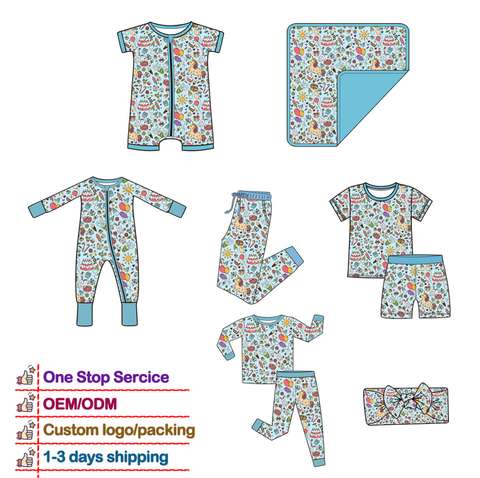
Bamboo Baby Pajamas with Disney Designs: Unveiling the Technical and Production Insights
In the world of children's apparel, bamboo baby pajamas have carved a significant niche, blending softness, comfort, and sustainability. When coupled with globally adored Disney designs, they become an irresistible product line attractive to manufacturers, retailers, and consumers alike. This article delves into the technical aspects behind bamboo fabrics, specifically focusing on GSM (Grams per Square Meter), fabric density, and the industrial machinery used to craft these delightful garments.
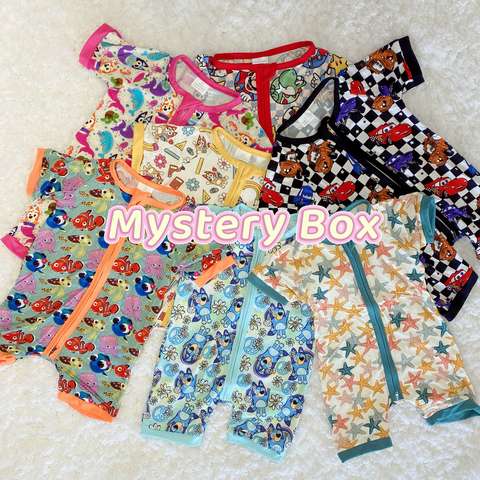
What Makes Bamboo Fabric Ideal for Baby Pajamas?
Bamboo fabric has gained widespread popularity in the textile industry due to its unique combination of eco-friendliness, softness, and versatility. When it comes to baby pajamas, these attributes are especially critical because the fabric needs to be gentle on sensitive skin, breathable, and hypoallergenic. Bamboo’s microstructure allows for excellent moisture-wicking properties, making it an excellent choice for baby apparel.
Additionally, bamboo is a fast-renewing resource, making it a sustainable option for mass production. By blending bamboo fabric with Disney-themed designs, manufacturers create a perfect fusion of comfort and visual appeal, which resonates well with eco-conscious parents and retail markets.
Understanding GSM and Its Relevance to Bamboo Baby Pajamas
GSM, or Grams per Square Meter, is a measure of fabric weight and density. For bamboo baby pajamas, GSM plays a pivotal role in determining not only the softness and comfort of the fabric but also the durability and breathability of the product.
The Perfect GSM Range for Baby Pajamas
Bamboo fabrics for baby pajamas typically fall within the GSM range of 150-250. A lower GSM, such as 150-180, offers a lightweight and breathable texture, ideal for warmer climates or summer nights. Higher GSM fabrics, such as 200-250, provide additional thickness and comfort, catering to colder temperatures.
For bamboo baby pajamas adorned with Disney patterns, manufacturers often aim for a mid-range GSM of around 180-200. This balance ensures the pajamas are soft, durable, and capable of maintaining the vividness of Disney-themed prints without compromising comfort.
Evaluating Fabric Density in Bamboo Baby Pajamas
Another critical consideration alongside GSM is fabric density. For baby pajamas, the fabric must have a uniform weave to ensure maximum comfort against delicate skin. A tightly knit fabric typically results in better durability and a consistent surface for applying high-quality Disney prints.
Different industrial weaving processes, such as circular knitting or warp knitting, are employed to achieve the desired density. These techniques must be carefully calibrated to meet babywear standards, ensuring that the final fabric remains breathable while also retaining its form and softness after multiple washes.
Industrial Machinery for Bamboo Fabric Manufacturing
The production of bamboo-based baby pajamas involves multiple stages requiring specialized industrial machinery. From processing raw bamboo into viscose fibers to weaving, dying, printing, and garment stitching, each step demands precision and scalability.
Processing Raw Bamboo into Viscose
The journey of bamboo baby pajamas begins with the transformation of bamboo stalks into viscose. Industrial-scale machines like digester tanks are used to break down bamboo into a cellulose pulp. Advanced technologies, such as closed-loop systems, help minimize environmental impact by recycling chemicals and reducing waste.
Knitting and Weaving Machinery for Optimal Fabric Texture
Once the viscose is prepared, it is spun into yarns and then either knit or woven into fabric using industrial machinery. Circular knitting machines are often employed to create stretchy and soft bamboo blends, which are ideal for babywear. For precise Disney designs, the fabric’s surface must be smooth and consistent, which is achieved through high-capacity circular knitting equipment operating at optimal settings.
For enhanced productivity, modern weaving machines, equipped with automated monitoring systems, ensure uniform fabric density. These systems detect inconsistencies in the weave and adjust process parameters to maintain high-quality output.
Printing Machinery for Disney-Themed Patterns
Applying high-definition Disney-themed designs to the bamboo fabric is another critical step. Digital textile printers are frequently used due to their ability to render intricate, colorful patterns with precision. Reactive digital printing, in particular, works well with bamboo fibers, as it bonds dye molecules permanently to the fabric, ensuring long-lasting color vibrancy even after multiple washes.
Heat-setting machines are also employed post-printing to lock in the vibrant colors of Disney graphics. These machines use precise temperature controls to ensure that the fabric surface remains smooth while enriching the print quality.
Quality Control: Ensuring Safety and Comfort
For babywear, safety and comfort are non-negotiable. Manufacturers utilize advanced quality control systems embedded in their industrial processes to ensure that bamboo baby pajamas meet all regulatory standards.
Fabric Inspection Systems
Automated fabric inspection machines are deployed to scan for defects such as uneven density, loose threads, or pinholes. High-resolution cameras and sensors continuously monitor the fabric at critical stages of production.
Physical and Chemical Testing
Once the fabric is produced, it undergoes rigorous physical and chemical testing. Parameters such as tensile strength, elasticity, and breathability are tested to meet safety standards. Additionally, chemical testing ensures that no harmful residues remain from the dyeing or printing process, meeting industry compliance for babywear safety.
Sustainability: The Green Advantage of Bamboo Baby Pajamas
Bamboo is a renewable resource that requires minimal water and grows without pesticides. With increasing global demand for sustainable textiles, bamboo baby pajamas resonate with environmentally conscious manufacturers and consumers. , using closed-loop systems in bamboo viscose production significantly reduces chemical discharge, aligning with green manufacturing goals.
| Fabric Type | Pima Cotton |
| Compliance | CPC Certified |
| Customization | ODM |
| Lead Time | 39 Days |
Eco-Friendly Machinery
Modern machinery is designed to optimize bamboo processing with minimal environmental impact. For example, high-efficiency digester tanks reduce energy consumption, while advanced dyeing technologies ensure water recycling and minimal waste generation during printing and finishing stages.
Retailers and manufacturers leaning towards sustainability can market bamboo baby pajamas with Disney prints as a premium, eco-friendly product line, leveraging global trends in sustainable consumer goods.
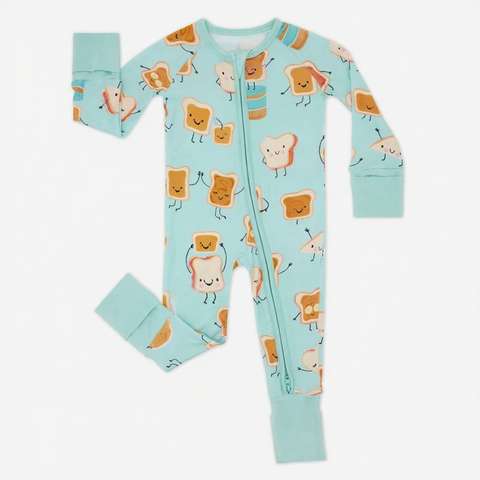
Packaging and Final Product Presentation
Sustainability extends beyond production to packaging. Eco-friendly packaging solutions, such as recycled paper or biodegradable wraps, align with the values of environmentally conscious consumers. Bamboo baby pajamas with Disney-themed designs, when packaged thoughtfully, combine aesthetic appeal with ethical production practices, creating a standout product in the B2B apparel space.
: Navigating the Technical and Commercial Landscape
The production of bamboo baby pajamas adorned with Disney designs combines sustainability, technical precision, and marketability. By leveraging optimal GSM, fabric density, advanced industrial machinery, and eco-friendly practices, manufacturers can produce high-quality, comfortable, and visually appealing babywear that resonates with consumer demands.
B2B stakeholders, including textile manufacturers, suppliers, and Disney licensors, can benefit greatly by understanding the technical underpinnings and leveraging evolving industrial capabilities. As the market for babywear continues to grow, bamboo baby pajamas represent an exciting fusion of comfort, sustainability, and enchanting Disney storytelling.