Oekotex 100 Bamboo Kids Pajamas Wholesale Odm Wholesale
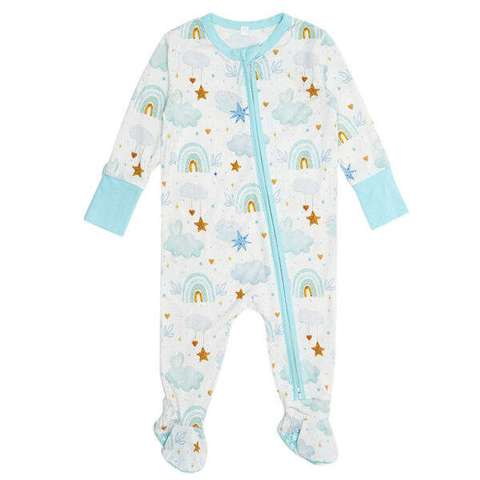
Bamboo Kids Pajamas Wholesale: A Technical and Industrial Perspective
The boom in sustainable textiles, particularly bamboo-based fabrics, has revolutionized the children's apparel market. Wholesale manufacturing of bamboo kids pajamas presents a lucrative opportunity for businesses, but it requires a deep understanding of fabric density (GSM), material durability, and the industrial machinery involved in its production. This article explores the technical intricacies of bamboo textiles and their wholesale manufacturing process, catering to B2B clients looking to upscale their textiles offering.
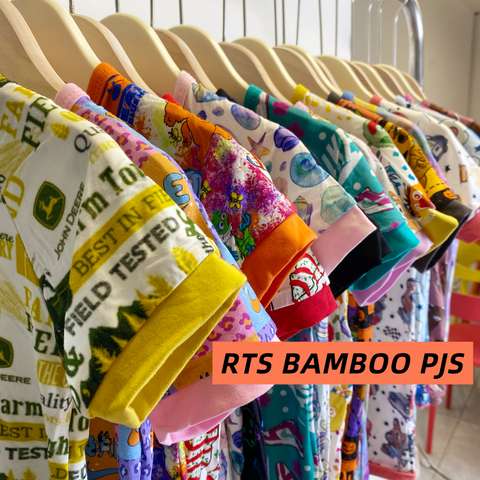
Why Choose Bamboo Fabric for Kids Pajamas?
Bamboo textiles have gained significant traction in recent years due to their eco-friendliness, softness, and moisture-wicking properties. These qualities are particularly advantageous for children's sleepwear, a segment that demands comfort and breathability above all else.
Natural Advantages of Bamboo Fabric
Bamboo fibers are inherently antibacterial, hypoallergenic, and luxuriously soft, outperforming conventional cotton in many categories. This makes bamboo a prime choice for kids pajamas, as children’s skin is often delicate and prone to irritation.
Breathability and Moisture-Wicking Qualities
One of the key advantages of bamboo fabric is its highly absorbent structure, which allows it to wick moisture away from the body efficiently. This contributes to maintaining a cool and dry sleeping environment for children, a critical need for pajamas.
Sustainability of Bamboo Textiles
Bamboo is a renewable resource that grows quickly without the need for large-scale use of water, fertilizers, or pesticides. For wholesale buyers, offering kids pajamas made from bamboo presents an opportunity to appeal to eco-conscious consumers and position themselves in the growing sustainable textiles market.
Understanding GSM: Key to Choosing the Right Fabric
When purchasing bamboo kids pajamas wholesale, one of the key technical aspects to evaluate is the fabric's GSM, or grams per square meter. GSM measures the weight and density of the fabric, playing a crucial role in determining its durability, comfort, and suitability for various climates.
What is GSM in Fabric Density?
GSM, or fabric weight, is a technical specification that measures the mass of fabric per unit area. A lower GSM indicates a lighter, more breathable fabric, while a higher GSM reflects a heavier and denser material. Children's pajamas typically fall within the lightweight range, as they prioritize comfort and breathability. For bamboo fabrics, an ideal GSM for kids pajamas lies between 160 and 200.
Choosing the Right GSM for Kids Pajamas
The GSM of pajamas should vary depending on the target audience and seasonal requirements. For warm climates or summer collections, a GSM of around 160-180 works well. In colder conditions, a denser bamboo fabric with a GSM of 200-220 can add the necessary warmth while still maintaining breathability.
GSM Testing and Quality Assurance
Manufacturers use specialized industrial machinery, such as GSM cutters and digital precision scales, to ensure consistent fabric density. Wholesale buyers should request technical data sheets (TDS) from their suppliers to verify fabric GSM before committing to bulk orders.
Industrial Production Processes for Bamboo Kids Pajamas
Bamboo fabric production for children's pajamas requires a well-orchestrated process combining advanced machinery, precise customization, and careful quality management. Each step, from the fiber’s transformation to garment finishing, involves specific equipment and techniques designed to maintain the fabric's natural properties.
Fiber Conversion to Yarn
Bamboo stalks are processed into bamboo cellulose, which is then turned into yarn through mechanical or chemical processes. Advanced spinning machines adjust the yarn's tensile strength, ensuring it maintains softness and durability suitable for children's sensitive skin.
Knitting and Weaving
The next step involves converting bamboo yarn into fabric through industrial knitting or weaving machines. For kids pajamas, circular knitting machines are a popular choice as they produce stretchable fabrics like single jersey, interlock, or rib knits, which improve flexibility and comfort.
Dyeing and Finishing
Bamboo fabrics are dyed using eco-friendly, non-toxic dyes that comply with industry standards such as OEKO-TEX certification. A key aspect of this step is ensuring the colorfastness of the fabric through high-temperature dye fixing processes, which are facilitated by programmable dyeing machines.
Garment Assembly
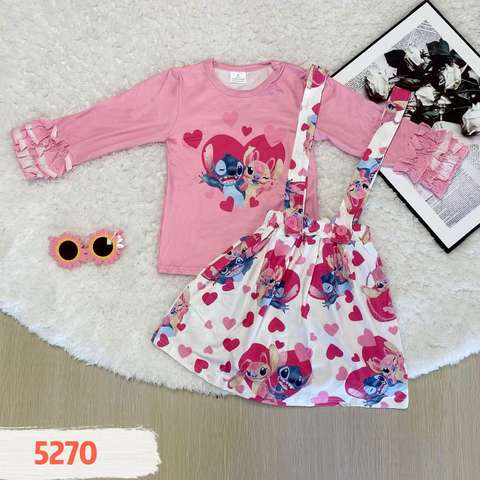
Finally, the fabric is cut and sewn into pajama sets using industrial sewing lines. Companies often employ automated cutting machines equipped with laser or blade technology, followed by assembly on high-speed flatlock or overlock sewing machines. This ensures precision for intricate designs and offers maximum seam durability.
Challenges and Quality Standards in Wholesale
While bamboo pajamas offer numerous advantages, there are also challenges that wholesale buyers must address to maximize their investment and maintain product quality.
Maintaining Consistent Fabric Quality
Variations in GSM, ply structure, or yarn quality can lead to inconsistent batches, potentially causing customer dissatisfaction or product returns. Partnering with reputable manufacturers who maintain rigorous quality control standards is essential to ensuring consistency across orders.
| Fabric Type | Pima Cotton |
| Compliance | OEKO-TEX 100 |
| Customization | Custom |
| Lead Time | 37 Days |
Compliance with Textile Standards
Kids apparel, especially sleepwear, must meet stringent safety and quality standards, including flammability resistance and the use of non-toxic dyes. Wholesale buyers should ensure that their suppliers adhere to certifications like CPSIA, GOTS, or OEKO-TEX to ensure compliance while marketing sustainable offerings effectively.
Sustainability Certifications
Customers today prioritize eco-conscious purchases, making sustainability certifications crucial. Wholesale suppliers should provide verifiable certifications proving the bamboo’s ecological origins and the entire garment’s environmentally friendly manufacturing process.
Leveraging Bamboo Pajamas in Your Business Strategy
Wholesale buyers in the textile industry can leverage the rising demand for bamboo kids pajamas in several ways, aligning their offerings with market trends while maintaining quality, compliance, and technical precision.
Expanding Product Lines
Adding bamboo kids pajamas to your catalog provides a boost to your sustainability credentials. Consider exploring different designs such as footed pajamas, two-piece sets, or even seasonal collections to cater to a diverse range of customer needs.
Emphasizing Eco-Friendly Marketing
Highlight the environmental benefits of bamboo-based products when marketing to retailers. Use data-driven insights, backed by metrics like water savings or reduced carbon footprints, to appeal to environmentally conscious decision-makers.
Custom Branding Opportunities
Manufacturers often allow custom labeling, embroidery, or packaging to match each wholesale client’s branding needs. This service creates a unique selling proposition and adds value to the final product.
Final Thoughts
Wholesale manufacturing of bamboo kids pajamas combines the best of sustainability, comfort, and technical innovation. By focusing on GSM fabric density, advanced industrial machinery, and rigorous quality standards, businesses can position themselves as leaders in the eco-textile market. Whether you aim to expand your product line or appeal to the increasingly eco-conscious consumer, bamboo pajamas deliver an excellent value proposition in the B2B landscape.