Oekotex 100 Bamboo Pajamas Baby Romper Gots Organic Manufacturer
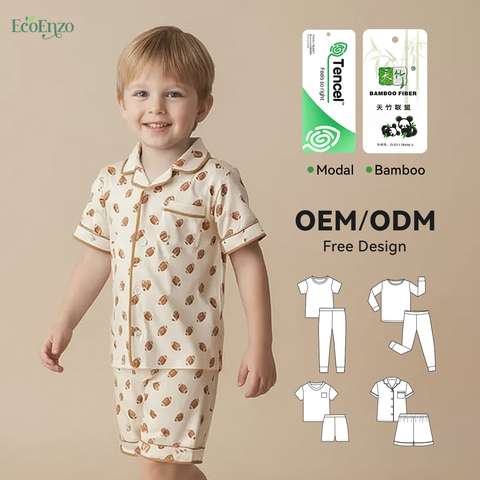
The Engineering Behind Bamboo Fiber: A Revolution in Baby Apparel
Bamboo fiber is increasingly becoming a popular choice in the textile industry, particularly in the realm of baby clothing like rompers. Its unique properties offer an array of benefits, making it a preferred material among manufacturers. This article explores the technical aspects of bamboo pajamas baby rompers including the role of GSM, fabric density, and the machinery involved in its fabrication.
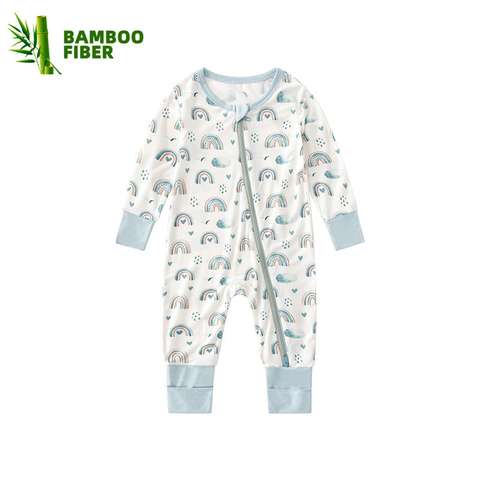
Understanding Bamboo Fiber
Bamboo fiber is derived mostly from bamboo pulp. The process involves a series of mechanical and chemical steps to break down bamboo stalks into pliable fibers. This material is naturally soft, breathable, and environmentally friendly, making it ideal for baby clothing. These fibers are transformed into yarns through carding and spinning, retaining the inherent antimicrobial properties of bamboo.
The Importance of GSM in Bamboo Pajamas
GSM, or grams per square meter, is a critical measure in the textile industry to denote the weight and quality of fabric. For baby rompers, an adequate GSM is essential to balance comfort and durability. Bamboo pajamas typically exhibit a GSM ranging from 200 to 320, offering a perfect combination of softness and resilience. Higher GSM indicates thicker, more durable fabric which is also warmer, whereas lower GSM suggests lighter, more breathable material.
Fabric Density: A Key Quality Indicator
Fabric density refers to the number of threads in each square centimeter of fabric. Higher fabric density correlates with stronger material, which is less prone to wear and tear—an important factor for baby rompers. Bamboo fabric generally maintains a high density due to its fine fibers, achieving exceptional durability and softness. This balance is essential for active wear like baby rompers, ensuring they withstand frequent washing and usage.
Industrial Machinery in Bamboo Fabrication
The production of bamboo fiber involves sophisticated machinery that ensures quality and efficiency. It starts with pretreatment machines that process bamboo stalks, followed by mechanical separators that extract fibers. Advanced carding machines then align these fibers for spinning into yarn. For baby rompers, circular knitting machines are often utilized to achieve seamless construction, enhancing durability and comfort. The dyeing process, often employing eco-friendly practices, is crucial for vibrant and safe fabric colors suitable for children.
| Fabric Type | Organic Bamboo |
| Compliance | OEKO-TEX 100 |
| Customization | Custom |
| Lead Time | 23 Days |
The Sustainability Edge
Bamboo is a highly sustainable resource due to its rapid growth rate and minimal need for water and pesticides. The use of bamboo in baby clothing not only provides health benefits but also supports environmental conservation efforts. Manufacturers that invest in bamboo production contribute significantly to reducing environmental footprints, appealing to eco-conscious consumers. , the inherent qualities of bamboo fiber, such as UV protection and thermal regulation, make it a superior choice for baby apparel.
: The Technological Advantage in Bamboo Baby Rompers
From the technical perspectives of GSM, fabric density, and industrial machinery to the environmental impact, bamboo pajamas baby rompers stand out as a premium choice in the textile industry. Understanding these factors helps manufacturers and distributors appreciate the complexity and benefits of bamboo fiber, fostering innovation and growth in the market for sustainable baby apparel. As technology advances, further enhancements in fabric production and machinery will likely bolster the appeal and functionality of bamboo clothing, creating a bright future for this remarkable material.