Oekotex 100 Baby Onsies Tailormade Oem
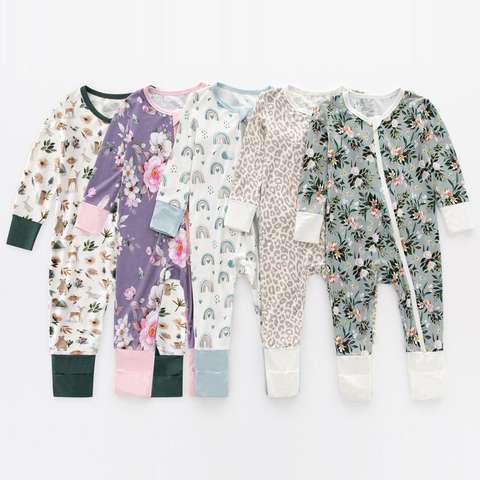
Understanding the Science Behind Baby Onesies
Baby onesies are more than basic garments; they are the result of intricate engineering, precise textile manufacturing, and industrial innovation. For B2B stakeholders in the apparel and textile supply chain, it's critical to understand the technical considerations shaping the production of these essential baby products. From GSM measurements to fabric density and industrial machinery optimization, each aspect ensures quality, comfort, and durability for infants. In this article, we will delve into the science of baby onesie production and highlight key factors for achieving precision and scalability in manufacturing.
The Importance of GSM in Baby Onesies
GSM: Grams Per Square Meter, is a critical measurement in the textile industry that directly impacts the performance and feel of a fabric. For baby onesies, GSM becomes a decisive factor because it determines not only the weight but also the softness, durability, and comfort of the garment.
Baby garments typically require a GSM range of 180–220 g/m². This range represents a soft, medium-weight fabric that is neither too thin to tear easily nor too thick to prevent breathability. Achieving a balance in GSM is vital, especially given the delicate nature of a baby’s skin. Lower GSM fabrics, beneath 150 g/m², can feel fragile and uncomfortable, while higher GSM fabrics above 250 g/m² might restrict movement or cause overheating.
For manufacturers, maintaining the correct GSM entails precise control of raw materials. Cotton, known for its breathability and softness, is the most common fiber for baby onesies. However, cotton blends with elastane or polyester can provide added stretch and durability without significantly impacting the GSM targets. Advanced quality control processes involve frequent GSM testing at various stages of production, ensuring compliance with safety and comfort standards.
Fabric Density: A Measure of Quality
Fabric density, defined by the number of yarns per inch (thread count) within textile construction, plays a pivotal role in the design and quality of baby onesies. While GSM measures weight, fabric density influences texture, visual aesthetics, and wear resistance. These two properties work in tandem to provide end-users with high-quality products.
For baby onesies, a higher-density knit fabric like interlock or rib-knit is often preferred. Interlock knit fabrics, in particular, offer a dense weave that enhances elasticity and gives a smooth finish on both sides—attributes that align with the snug fit and softness required for baby onesies. Rib-knit weaves, on the other hand, allow for extra stretch and comfort around edges like sleeves, collars, and leg openings.
When adjusting density at scale, textile manufacturers rely heavily on industrial knitting machines, which need fine calibration to achieve uniformity. Computerized knitting machines allow precise control over thread tensions and spacing, minimizing imperfections. This ensures that individual onesies exhibit consistent quality from one production batch to the next.
Industrial Machinery in Baby Onesie Manufacturing
The production of baby onesies relies on a chain of industrial-grade machinery that converts raw textiles into garment-ready fabrics. Each machine serves a distinct purpose, from weaving to cutting, while ensuring efficiency and maintaining fabric integrity. Let’s explore some of the critical machinery involved:
Knitting Machines for Textile Fabrication
Modern knitting machines, such as circular knitting machines, are widely used for the fabrication of baby onesie fabrics. These machines produce tubular fabrics, reducing the need for additional seams and enhancing comfort. Circular knitting allows for intricate knit patterns, including rib-knit cuffs and interlock main fabrics, directly aligning with the requirements of baby onesie garments.

One of the advanced features of computerized knitting systems is the ability to monitor and adjust thread tension automatically. This minimizes defects like skipped stitches or uneven finishes, ensuring a high-quality output that matches consumer expectations for comfort and durability in baby clothing.
Cutting and Sewing Machines
Precise cutting machines, often guided by CAD (Computer-Aided Design) software, are essential in converting fabric rolls into pieces suitable for assembly. The fineness of cuts is critical—any deviation can lead to misaligned seams or wasted materials. Advanced cutting systems, such as ultrasonic cutters, are increasingly employed for their high precision and reduced material fraying.
Once the pieces are cut, assembly proceeds to industrial sewing machines. Fully automated sewing systems equipped with folder attachments for cuffs and bindings ensure uniform stitching. Seam reinforcements, like flatlock stitching, are often incorporated into baby onesies to avoid irritation on the skin. These sewing technologies not only improve product quality but also boost production efficiency.
Printing Machines for Designs
Many baby onesies include playful prints or custom patterns, which are applied using specialized printing techniques. Sublimation printing and heat transfer presses dominate in this space for their ability to produce vibrant, long-lasting prints without compromising fabric softness.
For eco-conscious producers, digital printing techniques using water-based inks are becoming increasingly popular. These methods ensure excellent design accuracy and color variety while maintaining compliance with environmental and baby safety regulations.
Testing and Quality Control in Production
The final stage of production focuses on rigorous quality control processes that ensure every baby onesie meets safety and performance standards. Some critical assessment parameters include:
- Fabric Shrinkage: Post-production testing involves laundering samples to measure dimensional stability. Fabrics with shrinkage rates exceeding 3% may not be suitable for baby onesies.
- Colorfastness: Dye testing is performed to ensure colors won’t bleed or fade. This is particularly important for printed and colored onesies.
- Seam Strength: Each stitch on a baby onesie is tested for durability under tension, as weak seams could create hazards for babies.
Incorporating automated quality control systems, such as visual inspection technology, further ensures uniformity across production batches. These systems can identify issues like fabric tears or stitching errors in real-time, reducing waste and improving efficiency.
Summary: Leveraging Technology and Expertise for Better Baby Onesies
Producing baby onesies that are safe, comfortable, and durable requires a combination of engineering expertise, textile knowledge, and advanced industrial machinery. Metrics like GSM and fabric density provide concrete benchmarks for ensuring garment quality, while industrial knitting, cutting, and sewing machines enable large-scale manufacturing without compromising on precision. Finally, rigorous testing and quality control processes guarantee that products are suitable for the sensitive needs of infants.
For stakeholders in the baby apparel industry, investing in cutting-edge technology and maintaining strict quality standards are essential strategies for meeting market demands and building a trustworthy brand. Understanding these technical elements allows B2B enterprises to optimize production, reduce waste, and ultimately deliver superior products to consumers.
By focusing on these fundamental aspects, manufacturers can not only achieve operational excellence but also support the well-being of their youngest customers—one baby onesie at a time.
| Fabric Type | Pima Cotton |
| Compliance | CPSIA Compliant |
| Customization | Bespoke |
| Lead Time | 38 Days |