Oekotex 100 Bamboo Pajamas Men Private Label Wholesale
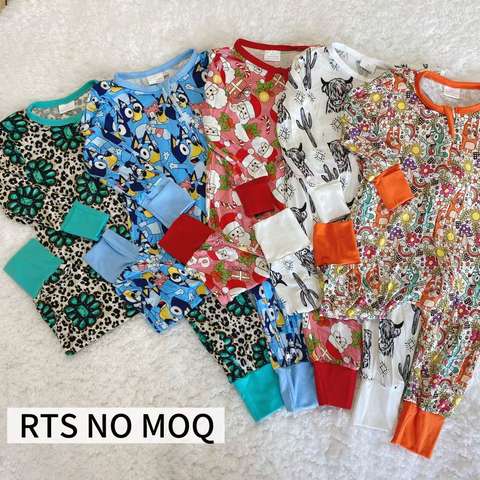
Understanding Bamboo Pajamas for Men: A Technical Perspective
The textile industry has witnessed a substantial transformation in recent years, with sustainability and innovation at its forefront. Bamboo pajamas for men, particularly, represent a convergence of eco-friendliness and advanced textile technology. This article delves into the technical aspects of bamboo pajamas, focusing on GSM (grams per square meter), fabric density, and the industrial machinery involved in their creation.
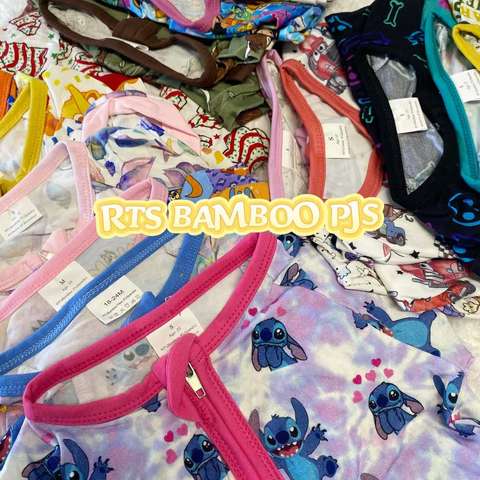
The GSM Aspect in Bamboo Textiles
Grams per square meter (GSM) is a critical metric in fabric manufacturing, providing insights into the weight and quality of materials used in clothing. Bamboo fabric, known for its softness and durability, typically exhibits a moderate GSM ranging between 160 to 300. The GSM impacts the texture and comfort level of bamboo pajamas for men, influencing factors like breathability, moisture-wicking abilities, and insulation.
For bamboo pajamas, an optimal GSM ensures that the fabric is lightweight yet durable enough to withstand regular wear. Higher GSM numbers often signify thicker fabrics, which may offer more warmth but less breathability. In contrast, lower GSM indicates a lighter fabric that enhances breathability, essential for comfort during warmer conditions.
Industrial machinery plays a pivotal role in maintaining consistent GSM across bamboo textile products. Automated equipment, such as computerized knitting machines, ensure precise control over fabric thickness and weight. These machines can adapt settings according to desired GSM specifications, facilitating uniformity across batches.
Fabric Density and Bamboo Pajamas
Fabric density, while closely related to GSM, focuses more on the compactness and arrangement of fibers per unit area. For bamboo pajamas, fabric density directly influences parameters such as durability, appearance, and tactile feel. A higher density typically implies a tighter weave, contributing to increased longevity and resistance to wear.
Bamboo textiles exhibit unique characteristics due to the natural properties of bamboo fibers. They are inherently longer and smoother compared to cotton, leading to a dense, silky texture. The density affects the pajamas' ability to regulate temperature, providing warmth in cooler climates and coolness in hotter environments.
Understanding fabric density also aids manufacturers in quality control processes. Advanced weaving machinery allows for manipulation of fiber arrangement, achieving variations in density as required. These machines are equipped with sensors and feedback systems that provide real-time data, ensuring a consistency that meets design specifications.
Role of Industrial Machinery in Bamboo Textile Production
The production of bamboo pajamas is significantly influenced by advancements in industrial machinery, which cater to the intricate demands of bamboo fiber processing. State-of-the-art spinning machines transform raw bamboo fibers into yarns, maintaining fiber strength and flexibility. This transformation is crucial for yielding a fabric that showcases bamboo's natural properties of being soft, strong, and hypoallergenic.
Weaving machinery follows by arranging yarns into pre-designed patterns, defining the final texture and appearance of bamboo fabrics. Modern looms, equipped with digital controls, achieve high precision and efficiency. These looms can achieve complex weaving patterns that enhance aesthetic appeal while maintaining fabric integrity.
, dyeing and finishing machinery play essential roles in the textile production line for bamboo pajamas. Eco-friendly dyeing methods are often employed to align with bamboo's sustainable nature, utilizing less water and energy compared to conventional methods. Finishing machines add essential qualities such as wrinkle resistance and enhanced softness, ensuring bamboo pajamas meet consumer standards of quality and style.
Incorporating Sustainability and Efficiency
The technical aspects of bamboo pajamas production are deeply intertwined with sustainability. Bamboo itself is a rapidly renewable resource, exhibiting growth rates that far surpass conventional materials like cotton. By capitalizing on innovations in industrial machinery, manufacturers can produce bamboo pajamas for men that are both environmentally responsible and high-performing.
Efficiency in production not only reduces waste and energy consumption but also enhances the scalability of operations. Modern machinery designed for bamboo textile production is equipped with energy-saving capabilities, reducing the ecological footprint. The combination of sustainable raw materials and efficient processing leads to a product that is aligned with contemporary environmental standards.
| Fabric Type | Organic Bamboo |
| Compliance | ASTM F963 |
| Customization | Custom |
| Lead Time | 26 Days |
, sustainability in machinery use extends to maintaining low maintenance requirements and high operational lifetimes. Equipment engineered to handle bamboo fibers is designed for robustness against wear and tear, ensuring sustainable operations over extended periods.
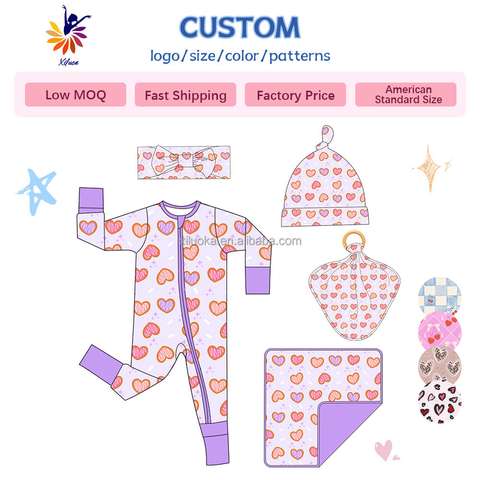
Bamboo pajamas for men represent a fascinating intersection of sustainability, comfort, and technological innovation. By understanding the technical parameters such as GSM and fabric density, along with the role of industrial machinery, businesses can leverage these advantages to offer superior products to their clients. As the textile industry continues to evolve, bamboo pajamas exemplify a future-oriented approach combining eco-friendliness with cutting-edge technology, providing a promising avenue for B2B partnerships.
Incorporating these innovations not only meets the demands of modern consumers but also plays a crucial role in preserving environmental integrity. As businesses navigate the complexities of textile production, bamboo's potential stands as a testament to the possibilities that lie in marrying sustainability with advanced manufacturing techniques.