Oekotex 100 Family Christmas Pajamas Viscos Bamboo Custom Vendor
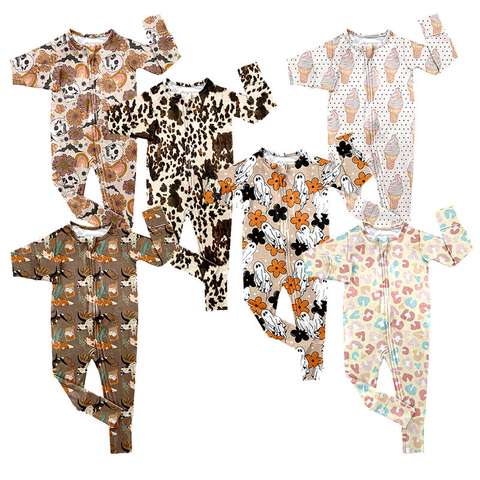
The Science Behind Family Christmas Pajamas: Why Viscose Bamboo Stands Out
Family Christmas pajamas have transitioned from a festive novelty to an essential seasonal tradition for many households. Beyond their matching charm, these pajamas are key to providing comfort and durability — both of which stem from careful attention to their materials and manufacturing processes. Among various textiles, viscose bamboo has emerged as a sustainable and superior option. This article will dive deep into the role of viscose bamboo, the importance of GSM (grams per square meter), and how fabric density and industrial machinery contribute to the perfect family Christmas pajama.
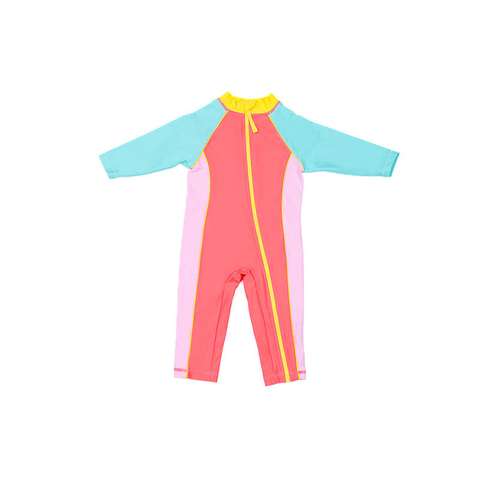
What Is Viscose Bamboo, and Why Is It Ideal for Pajamas?
Viscose bamboo, derived from natural bamboo fibers, is a semi-synthetic fabric known for its exceptional blend of softness, breathability, and sustainability. The manufacturing of viscose bamboo involves breaking down raw bamboo pulp into a fine solution, which is then processed into fibers and spun into yarn. For pajamas, this material offers a lightweight, airy texture with excellent moisture-wicking properties — attributes that are important during winter gatherings when indoor heating heightens body warmth.
Another pivotal feature of viscose bamboo is its hypoallergenic nature, making it a comfortable choice for sensitive skin. With festive pajamas often requiring prolonged wear, especially on Christmas morning, this fabric ensures no irritation or discomfort. Additionally, viscose bamboo aligns with growing consumer demand for eco-friendly alternatives. By reducing reliance on synthetic fibers, it helps lower the environmental impacts of production.
The Role of GSM in Pajama Comfort and Quality
The comfort and durability of family Christmas pajamas depend heavily on the material’s GSM. Grams per square meter (GSM) is a unit of measurement that indicates the weight of fabric per unit area. For pajama production, striking the right GSM balance is crucial to achieving softness without making the garment feel flimsy or cheap.
Viscose bamboo typically falls within an ideal GSM range of 180 to 250 for pajamas. A lower GSM (below 180) results in thinner pajamas that lack durability, while a higher GSM (above 250) produces overly dense clothing that diminishes flexibility. For family Christmas pajamas, manufacturers generally target a GSM around 200 to combine softness with durability, ensuring the garments remain cozy, breathable, and warm without being overly heavy.
Fabric Density as a Structural Component for Pajamas
Fabric density refers to the number of threads or fibers woven or knitted into a square inch of the fabric. The interplay between fabric density and GSM is crucial for optimizing the performance of viscose bamboo pajamas. While GSM measures fabric weight, density focuses on fabric structure, influencing how closely packed and durable the fibers are.
High-density fabrics often translate to a smoother texture and better resistance to wear and tear. Given that family Christmas pajamas are frequently subjected to repeat usage during the holiday season, ensuring an optimal fabric density combats pilling and degradation. For bamboo-based pajamas, selecting the proper thread count in weaving machines is key to striking this balance. A weave that is too tight can compromise softness, while a weave that is too loose undermines durability.
The Role of Industrial Machinery in Manufacturing Viscose Bamboo Pajamas
Producing family Christmas pajamas involves an intricate interplay of industrial machinery, especially when working with novel fibers like viscose bamboo. Each step, from processing raw bamboo pulp to finalizing finished garments, demands state-of-the-art technological precision.
Bamboo Processing Equipment
The first phase of viscose bamboo pajama production begins with the extraction of bamboo cellulose. Specialized machinery, such as pulp digesters, breaks down rigid bamboo culms into a viscous solution. This solution undergoes several processing steps in automated systems to ensure the remaining pulp is pure, uniform, and ready for fiber production.
Knitting and Weaving Machines
Once the viscose bamboo fibers are turned into yarn, high-speed circular knitting machines or weaving equipment are deployed to create fabric with the desired GSM and density. Manufacturers rely on advanced machine technologies that precisely control thread tension, stitch consistency, and pattern customization. The result? Fabric that adheres to strict quality benchmarks for weight, elasticity, and surface finish.
The versatility of industrial looms helps manufacturers create a range of fabric finishes, from smooth knit pajamas to more textured flannel-style garments. Automation in these machines further reduces material waste, aligning with the sustainability goals tied to using bamboo-derived textiles.
Garment Assembly and Finishing Equipment
After the fabric rolls are produced, the material is cut into pajama pieces using laser or die-cutting machines. These systems increase precision and reduce inconsistencies, ensuring every satin trim or buttonhole aligns with high-quality standards. Automated sewing machines then assemble the pajama pieces, leveraging programmed templates to handle complex designs characteristic of holiday pajamas — such as embroidery, printed patterns, or button-down tops.
Finally, finishing machines are used to enhance the tactile feel of viscose bamboo pajamas post-assembly. These processes smooth out wrinkles or imperfections while applying surface treatments for anti-static or anti-pilling performance.
| Fabric Type | Organic Bamboo |
| Compliance | GOTS Organic |
| Customization | Bespoke |
| Lead Time | 36 Days |
Balancing Technical Excellence and Consumer Appeal
In the competitive marketplace for family Christmas pajamas, achieving technical excellence through GSM tuning, optimal fabric density, and precise industrial machinery is only half the battle. The ultimate consumer satisfaction also relies on aligning technical specifications with visual and emotional appeal.
Customizable Designs for the Holiday Market
Viscose bamboo provides a perfect base for vibrant and detailed Christmas-themed prints due to its smooth texture and strong dye-retaining ability. Industrial digital printers allow manufacturers to replicate intricate patterns and create unique holiday designs that resonate with family traditions.
Commitment to Sustainability
Consumers are increasingly making purchasing decisions based on brand ethics and environmental commitments. The use of viscose bamboo in family Christmas pajamas not only benefits the environment by reducing plastic waste but also signals a brand's commitment to responsible production. Machinery upgrades to minimize waste or recycle water in manufacturing only strengthen this message.
Consistency in Quality
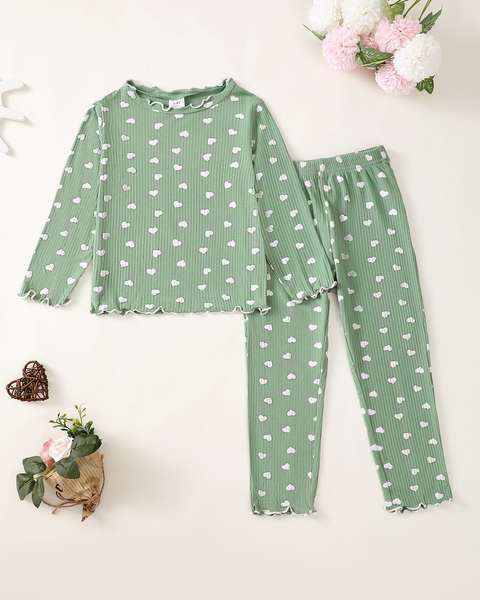
Industrial machinery ensures batch-to-batch consistency, which is a critical factor in brand reputation. Family pajamas often involve bulk sales with matching sizes for all age groups. Uniform fabric density, GSM, and flawless stitching across every unit reinforce customer trust.
: Behind the Comfort of Family Christmas Pajamas
The journey of creating the perfect family Christmas pajamas involves a meticulous balance of science, engineering, and creativity. Viscose bamboo stands out as a leading textile choice, offering softness, breathability, and eco-friendliness. By fine-tuning GSM and fabric density and leveraging the precision of modern industrial machinery, manufacturers can meet the demand for high-quality, attractive, and sustainable holiday garments.
For businesses looking to expand into the family Christmas pajama market, investing in state-of-the-art machinery and sustainable bamboo-based textiles will be pivotal. By prioritizing both technical excellence and consumer appeal, manufacturers can deliver not just holiday cheer but also a product experience that becomes a cherished part of family traditions for years to come.