Oem Girls And Boys Toddler Bamboo Rompers Oekotex 100 Supplier
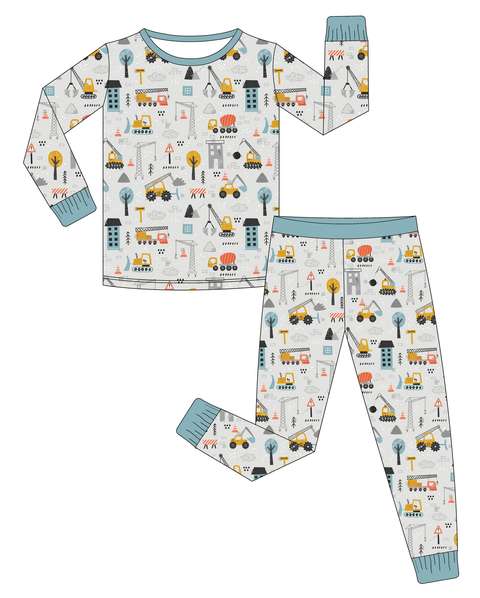
Toddler Bamboo Rompers: A Technical Perspective on GSM, Fabric Density, and Production Machinery
The demand for sustainably made and high-quality clothing for children has led to an increase in the production of bamboo fabric-based garments. Toddler bamboo rompers, in particular, are becoming a go-to choice for environmentally conscious parents due to their softness, breathability, and eco-friendly nature. But producing these garments isn’t as simple as it might seem. It involves a thorough understanding of technical aspects like GSM (grams per square meter), fabric density, and the sophisticated industrial machinery required to bring these products to life.
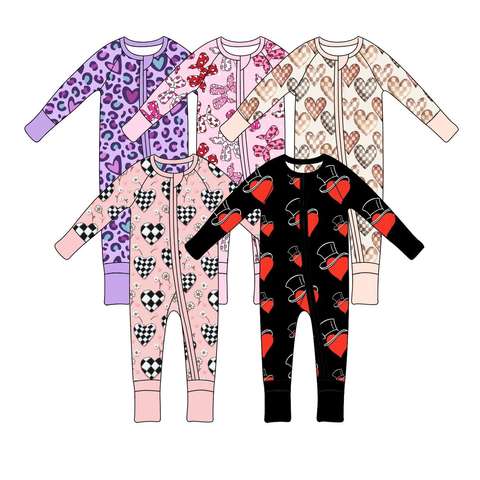
What is GSM and Why Does It Matter in Bamboo Rompers?
GSM is one of the most important specifications to consider when manufacturing toddler bamboo rompers. Short for "grams per square meter," GSM is a measure of fabric weight and is instrumental in determining the quality, durability, and comfort of the final garment.
For toddler clothing such as rompers, the GSM range typically falls between 150-250 GSM. A lower GSM (e.g., 150-180) results in lightweight, airy fabrics, suitable for warmer climates. On the other hand, a higher GSM (200-250) means a denser material, ideal for cooler seasons. Bamboo-based fabrics usually require a careful balance to ensure optimum softness and breathability while maintaining durability, especially since toddlers require robust garments to withstand frequent wear and tear.
The Science Behind Bamboo Fabric Density
Fabric density directly correlates with GSM but delves deeper into the structural composition of the material. It refers to the number of yarns per square inch of fabric, affecting not only the strength and durability but also the tactile feel of the fabric. In bamboo rompers, achieving the ideal fabric density is crucial to create a product that feels soft against a toddler’s skin yet remains hardy enough to endure washing and daily activity.
Bamboo fibers themselves contribute to fabric density in unique ways. Bamboo is naturally long and smooth, allowing for high thread counts when woven into textiles. The industrial process, from spinning to knitting or weaving, plays a large role in how these properties are optimized for babywear. Fine-tuning the density ensures the rompers are not too thin (prone to tearing) or too thick (which would hinder movement and airflow for active toddlers).
Industrial Machinery: Precision and Efficiency in Bamboo Romper Production
The production of bamboo-based toddler rompers relies heavily on state-of-the-art industrial machinery. From fiber processing to fabric finishing, each stage requires precision and efficiency. Let’s delve deeper into the key machinery used in this process.
1. Fiber Processing Machines
Bamboo fibers don’t come ready for garment manufacturing. Initially, raw bamboo stalks undergo mechanical or chemical processing to break them down into usable yarns. Mechanical processors typically crush the bamboo into a pulp, which is then spun into fibers. Chemical methods involve using solutions such as sodium hydroxide to dissolve the bamboo pulp, followed by reconstituting the cellulose to produce viscose rayon yarns.
Modern fiber processing machinery is designed to optimize the extraction while minimizing chemical waste, ensuring that the production process aligns with the eco-friendly values associated with bamboo garments.
2. Knitting and Weaving Machines
After the fibers are processed, they are spun into yarn, which undergoes knitting or weaving to form fabric. Knitting machines, particularly circular knitting machines, are commonly used for bamboo toddler rompers as they produce the stretchable jersey knit fabrics suited for active toddlers.
These machines are equipped with precision controls for varying the tension and stitch density, factors that contribute to the GSM and texture of the material. This stage requires meticulous calibration, as even slight variations can create inconsistencies in fabric weight or elasticity.
3. Dyeing and Finishing Machines
Bamboo fabrics are known for their excellent absorbency, making them ideal for printing or dyeing vibrant colors and patterns. High-tech dyeing machines with eco-friendly dye solutions are employed to achieve lasting color that doesn’t irritate a child’s sensitive skin. After dyeing, finishing machines are used to soften the fabric further, ensuring the end product meets premium quality expectations.
Some manufacturers also use compacting machines during this step to control shrinkage and improve dimensional stability, a critical aspect for toddler clothes that undergo frequent washing and handling.
4. Cutting and Sewing Machines
Precision cutting and sewing are paramount when assembling toddler rompers. Computerized cutting machines are programmed to ensure minimal fabric waste while also allowing for intricate design patterns. Automated sewing systems then handle the construction, ensuring perfect seams and reinforcement in stress points like snap closures and cuffs.
Stretchable materials like bamboo jersey often require specialized stitching techniques, such as flatlock stitching, to maintain the fabric’s elasticity while ensuring durability. Industrial sewing machines dedicated to this process come equipped with mechanisms for handling stretchy, lightweight fabrics without causing puckering or seam distortion.
5. Quality Control and Inspection
Before a toddler bamboo romper reaches its final destination, it undergoes rigorous quality control checks. Textiles are tested for GSM, shrinkage, colorfastness, and durability to ensure they meet industry standards. Advanced fabric inspection machines have sensors to detect inconsistencies such as uneven GSM, holes, or fabric flaws that could affect the product's usability.
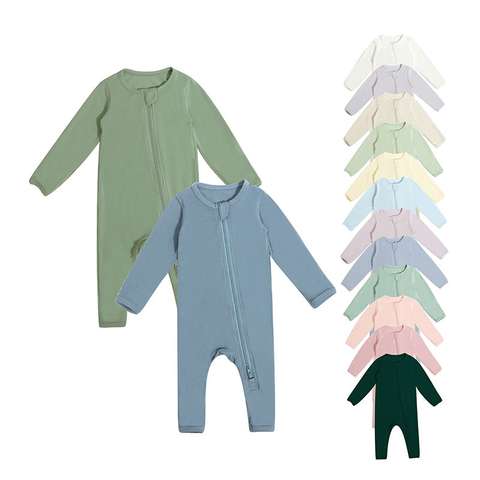
Bridging Sustainability and Scalability in Manufacturing
Sustainability often goes hand-in-hand with bamboo garment production, but scaling such efforts requires a shift toward sustainable practices in industrial manufacturing. From energy-efficient machinery to closed-loop chemical processing systems, the industry is increasingly leaning toward greener solutions.
For example, many manufacturers now rely on solar-powered industrial setups or deploy processes like enzyme-based fabric softening, which reduces the need for harsh chemical treatments. These innovations not only align with consumer demand for sustainability but also reduce operational costs in the long run.
The Final Touches: Packaging and Distribution
Once the bamboo rompers are complete, packaging and distribution become the final steps in the production pipeline. Many companies choose to use biodegradable or recyclable packaging to reinforce the eco-conscious image associated with bamboo garments. , lightweight bamboo fabrics contribute to reduced shipping costs due to their lower weight.
From the factory floor to the end consumer, the journey of a toddler bamboo romper is one defined by technology, innovation, and sustainability. With the growing reliance on advanced machinery and processes, it’s clear that these garments are as much a triumph of engineering and material sciences as they are a fashion statement.
: Innovation in Toddler Bamboo Romper Manufacturing
The production of toddler bamboo rompers represents an intricate interplay of GSM, fabric density, and advanced industrial machinery. From ensuring the perfect balance of softness and durability to incorporating sustainable practices in manufacturing, each step requires technical expertise and precision.
| Fabric Type | Organic Bamboo |
| Compliance | GOTS Organic |
| Customization | Bespoke |
| Lead Time | 21 Days |
By embracing innovation, manufacturers can not only meet the growing demand for high-quality bamboo garments but also set a new standard for eco-friendly and efficient production. For B2B clients in the toddlerwear industry, understanding the technical aspects discussed here can guide strategic decisions related to material sourcing, machinery investment, and sustainable manufacturing.