Oekotex 100 Women Soft Bamboo Pajamas Custom Factory
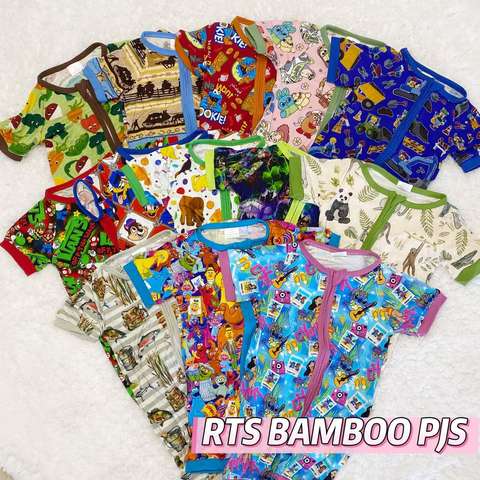
Women’s Soft Bamboo Pajamas: A Fusion of Technology and Comfort
The comfort and luxury of women’s soft bamboo pajamas represent the cutting edge of textile engineering, a field in which technical precision meets user-driven design. These garments demonstrate how high-quality materials, advanced fabric density optimization, and precise manufacturing techniques coalesce to deliver unparalleled softness and durability. In this article, we dive deep into key concepts such as GSM (Grams per Square Meter), fabric density, and the innovative industrial machinery responsible for creating these iconic products.
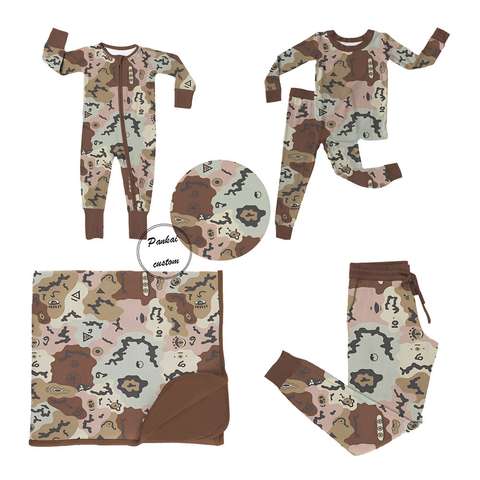
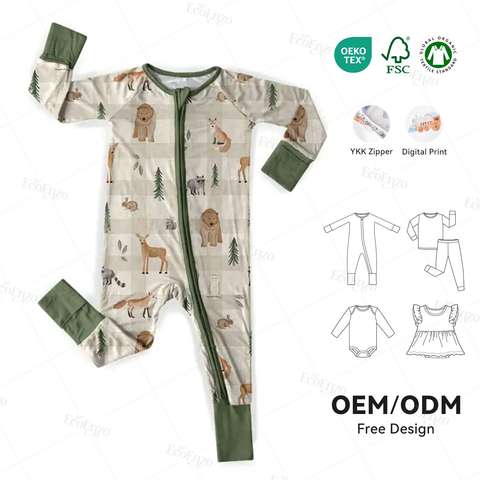
The Role of Bamboo Fiber: A Revolution in Textiles
Bamboo fiber has transformed the textile industry, offering a sustainable solution that perfectly balances softness and strength. Known for its hypoallergenic and breathable properties, bamboo fabric is experiencing increased demand in the loungewear and sleepwear markets, especially in women’s pajamas. Its moisture-wicking capabilities make it ideal for a night’s sleep in warmer climates, while its softness ensures comfort comparable to silk.
Bamboo’s environmental benefits are equally compelling. Unlike cotton, bamboo requires minimal water and no pesticides during cultivation. The resulting fibers are biodegradable, making them an eco-friendly option. But it’s not just the material's environmental merits that stand out—its application in fabric engineering delivers a host of technical advantages.
Understanding GSM: The Key to Softness and Durability
Grams per Square Meter (GSM) is a critical parameter in textile manufacturing, dictating the weight and thickness of a fabric. For women’s soft bamboo pajamas, achieving the ideal GSM is essential to strike a balance between comfort, softness, and long-term durability. While heavier GSM fabrics tend to offer greater durability, they may sacrifice breathability. Conversely, lighter weights improve breathability and drape but may reduce longevity.
Typically, bamboo pajamas use fabrics within a GSM range of 150–220. A lower GSM around 150 yields lightweight, highly breathable pajamas suitable for summer wear. On the other hand, fabrics with a GSM closer to 220 create a thicker, more insulating garment ideal for cooler climates. Manufacturers often target a mid-point GSM of 180–200 to deliver year-round versatility, combining softness and sufficient durability for regular use.
The Science of Fabric Density Optimization
Fabric density complements GSM as a critical metric in textile engineering. While GSM measures weight, fabric density refers to the number of bamboo fibers or threads per unit area in the material. In terms of production, achieving optimal density involves managing the tension, fiber alignment, and knitting/weaving techniques.
High-density bamboo textiles typically exhibit greater tensile strength and resistance to pilling. However, overpacking fibers into a dense weave restricts air circulation, potentially undermining breathability. For women’s pajamas, an ideal median density is essential to maintain structural integrity while offering lightness and ventilation. Advanced lab testing methods, such as air permeability analysis, ensure that fabric designs meet these competing requirements.
Industrial Machinery Innovations in Bamboo Fabric Production
Creating high-quality bamboo textiles for women’s soft pajamas requires state-of-the-art machinery capable of processing delicate fibers without compromising their inherent softness. Let’s explore how advanced industrial machinery contributes across various stages of production:
1. Fiber Extraction and Processing
The first step in manufacturing bamboo textiles is fiber extraction. Most soft bamboo pajamas use viscose or modal bamboo, derived via chemical processing that transforms bamboo pulp into a cellulose-based fiber. Though chemical techniques often raise environmental concerns, modern closed-loop production systems capture and recycle solvents, making the process more sustainable.
Advanced machinery plays a key role here. Automated fiber extraction systems optimize bamboo pulp processing by ensuring uniform consistency across large production volumes. This consistency is vital for maintaining the fabric’s desired GSM and density metrics later in the manufacturing pipeline.
2. Yarn Spinning
Once bamboo fibers are processed, they are spun into yarn using high-precision spinning machines. Open-end spinning machinery is commonly preferred for medium-weight fabrics, while ring spinning is used for producing softer, finer yarns. For bamboo textiles intended for women’s pajamas, machinery often integrates active tension control mechanisms to prevent the fibers from fraying, hence ensuring smooth and uniform threads.
| Fabric Type | Organic Bamboo |
| Compliance | GOTS Organic |
| Customization | Custom |
| Lead Time | 26 Days |
3. Knitting and Weaving
The softness and stretchability of bamboo pajamas are directly influenced by the knitting or weaving machinery used in production. Circular knitting machines, fitted with electronically controlled needle systems, are widely employed to produce seamless bamboo knits. These machines enable the creation of fabrics with minimal seam lines, which is a hallmark of high-quality loungewear and pajamas.
In the case of woven fabrics, jet looms provide efficiency, precision, and minimal waste during production. Automation in these looms aids in achieving uniform, high-density weaves that retain the softness characteristic of bamboo fabrics.
4. Dyeing and Finishing
One of the final stages in the production process involves dyeing and finishing. Bamboo fabric is highly receptive to dyes, allowing manufacturers to achieve vibrant and fade-resistant colors without excessive water or chemical usage. Modern dyeing equipment incorporates water-reduction technologies, such as air-dyeing and sophisticated eco-friendly dye baths.
Finishing machinery, like mechanical softeners and compactors, ensures the pajamas have an ultra-smooth, luxurious feel. Thermo-fixation units fine-tune the material’s dimensional stability, preventing shrinkage post-production while enhancing its hand feel.
The Business of Bamboo Pajamas: A Technical Advantage
From a business-to-business (B2B) perspective, investing in high-quality bamboo pajamas for women presents numerous advantages. Retailers and distributors alike benefit from offering a premium product that combines technical excellence with ecological responsibility. , advanced manufacturing processes ensure scalability, enabling suppliers to meet growing demand while maintaining quality and consistency.
The global market for bamboo textiles continues to grow, with consumer preferences shifting toward sustainable and performance-driven materials. Women’s soft bamboo pajamas are uniquely positioned within this trend, offering comfort, functionality, and style, backed by technical innovation.
: Engineering Comfort Through Science and Machinery
Women’s soft bamboo pajamas illustrate how engineering and industrial technology enable the creation of products that satisfy both consumer and environmental demands. By carefully optimizing GSM, fabric density, and incorporating advanced industrial techniques, manufacturers achieve unparalleled softness and performance. As the textile sector continues to innovate, bamboo-based garments are sure to remain at the forefront of sustainable, high-quality loungewear solutions.

For B2B enterprises looking to partner with bamboo textile manufacturers, understanding these technical parameters—combined with a commitment to sustainable practices—will ensure long-term success in the competitive loungewear market.